
Last updated November 15, 2026
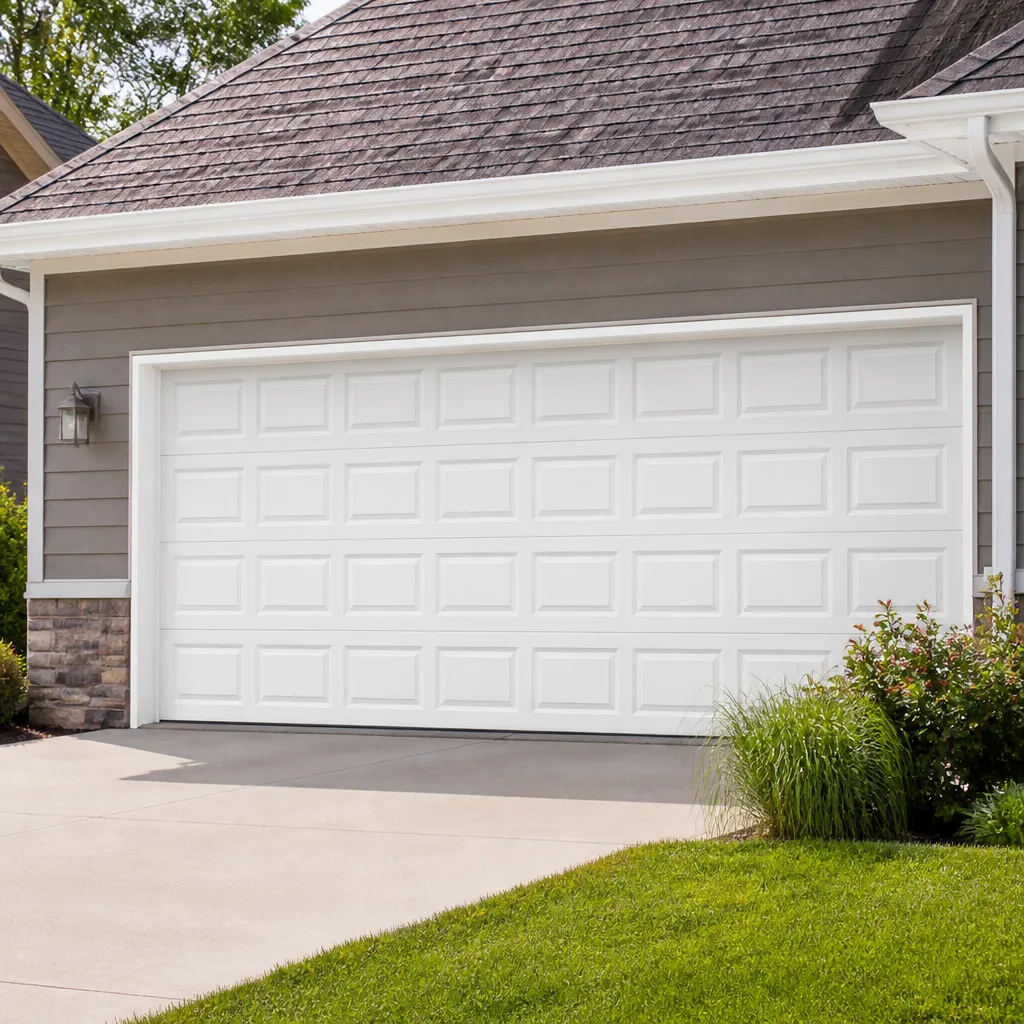 Raised-panel steel
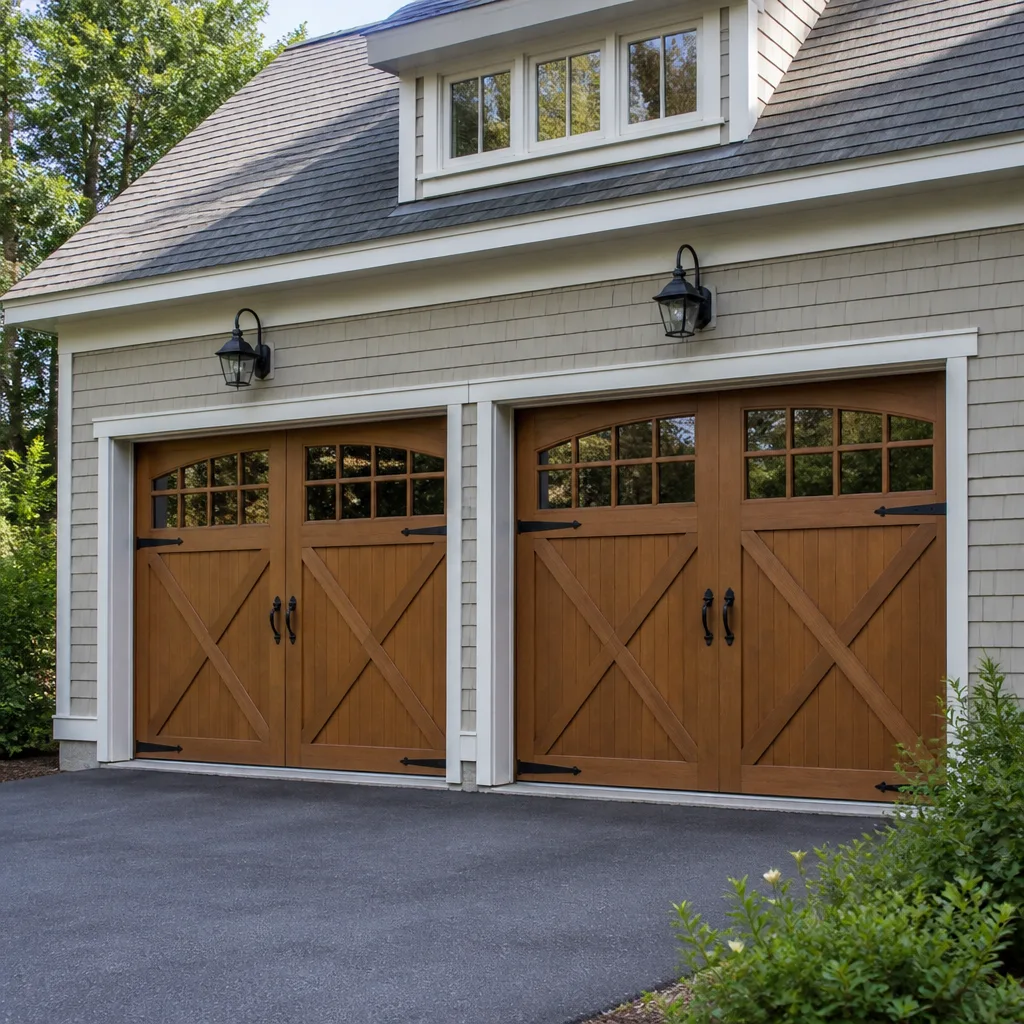 Carriage house
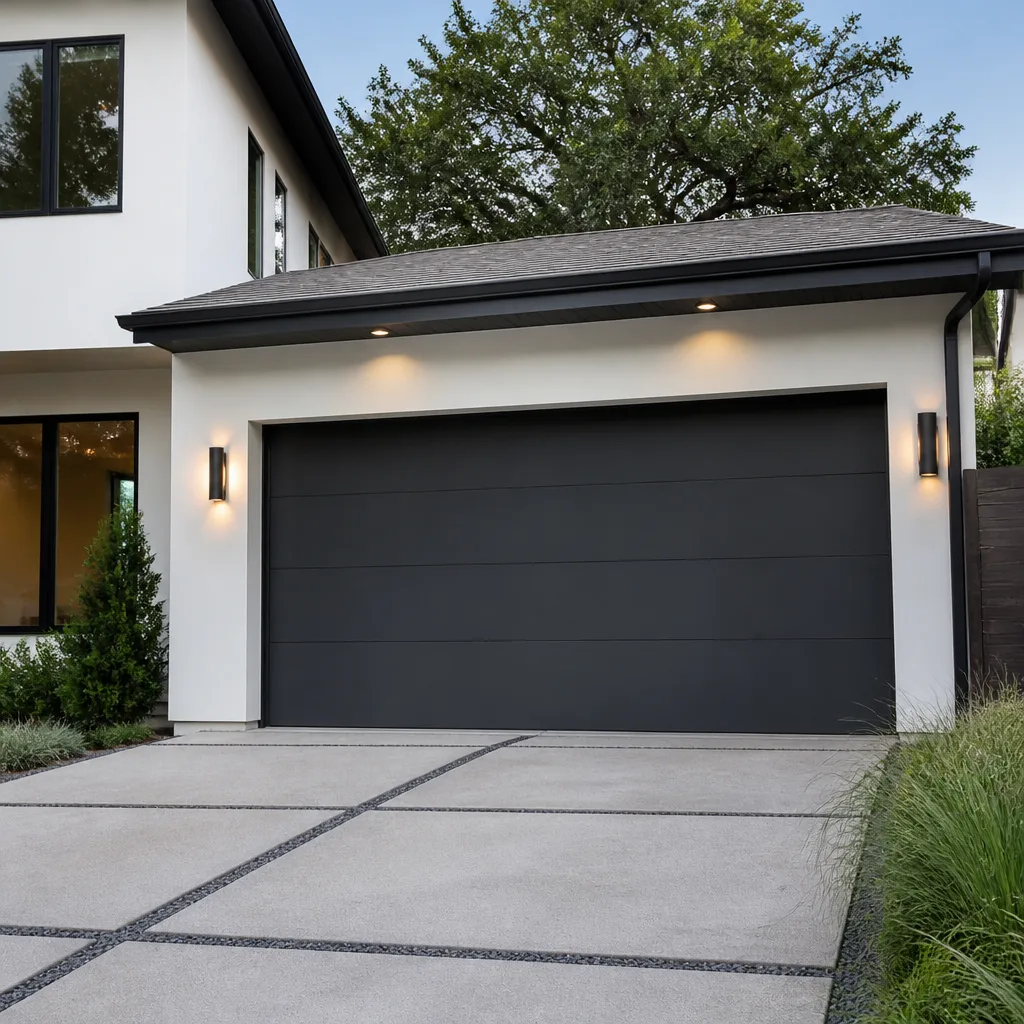 Modern flush
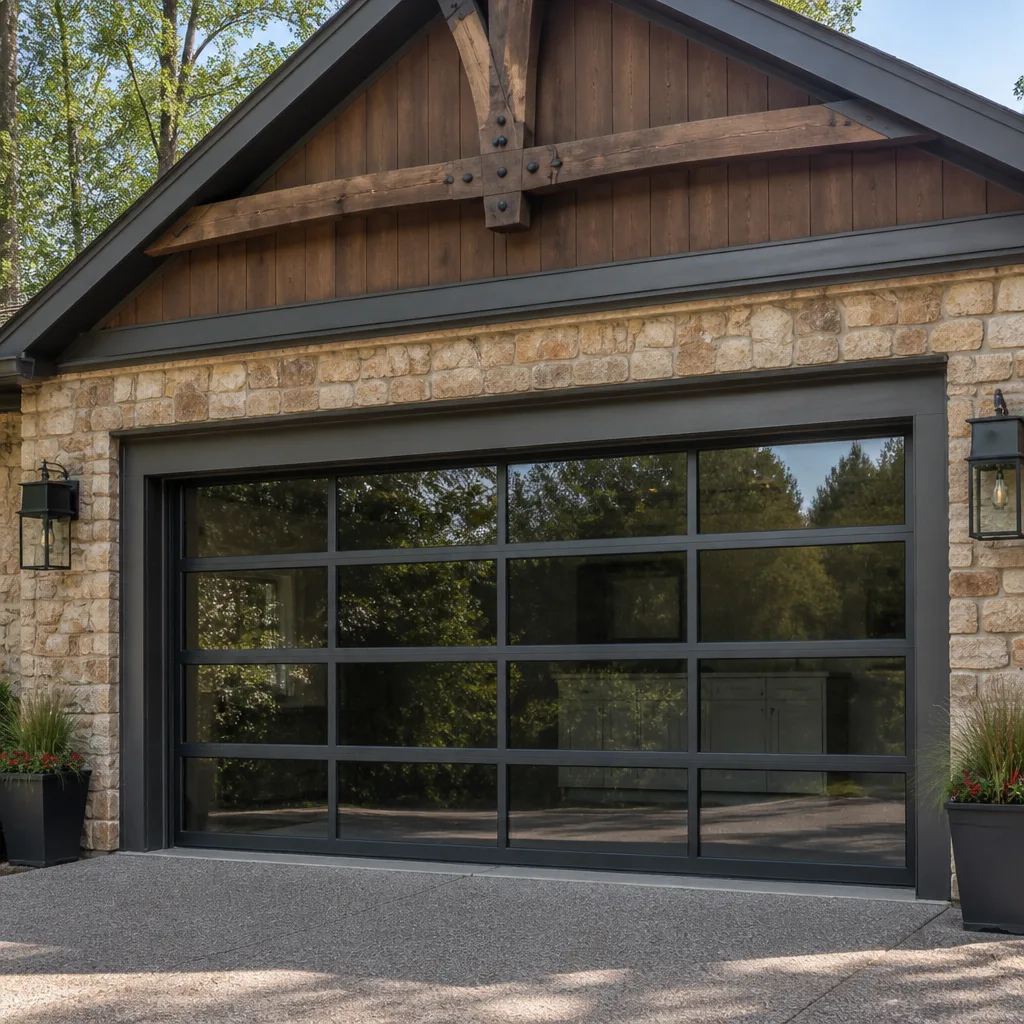 Full-view glass
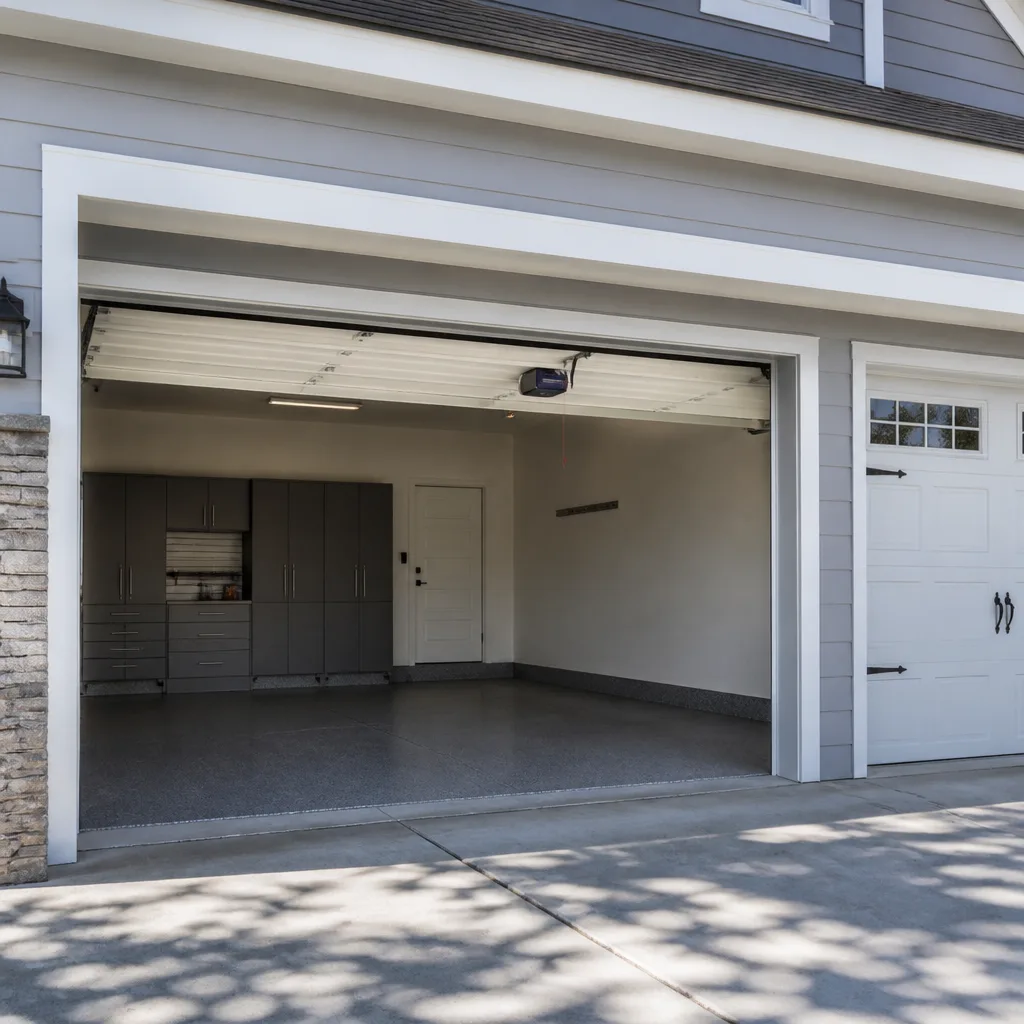 LiftMaster openers
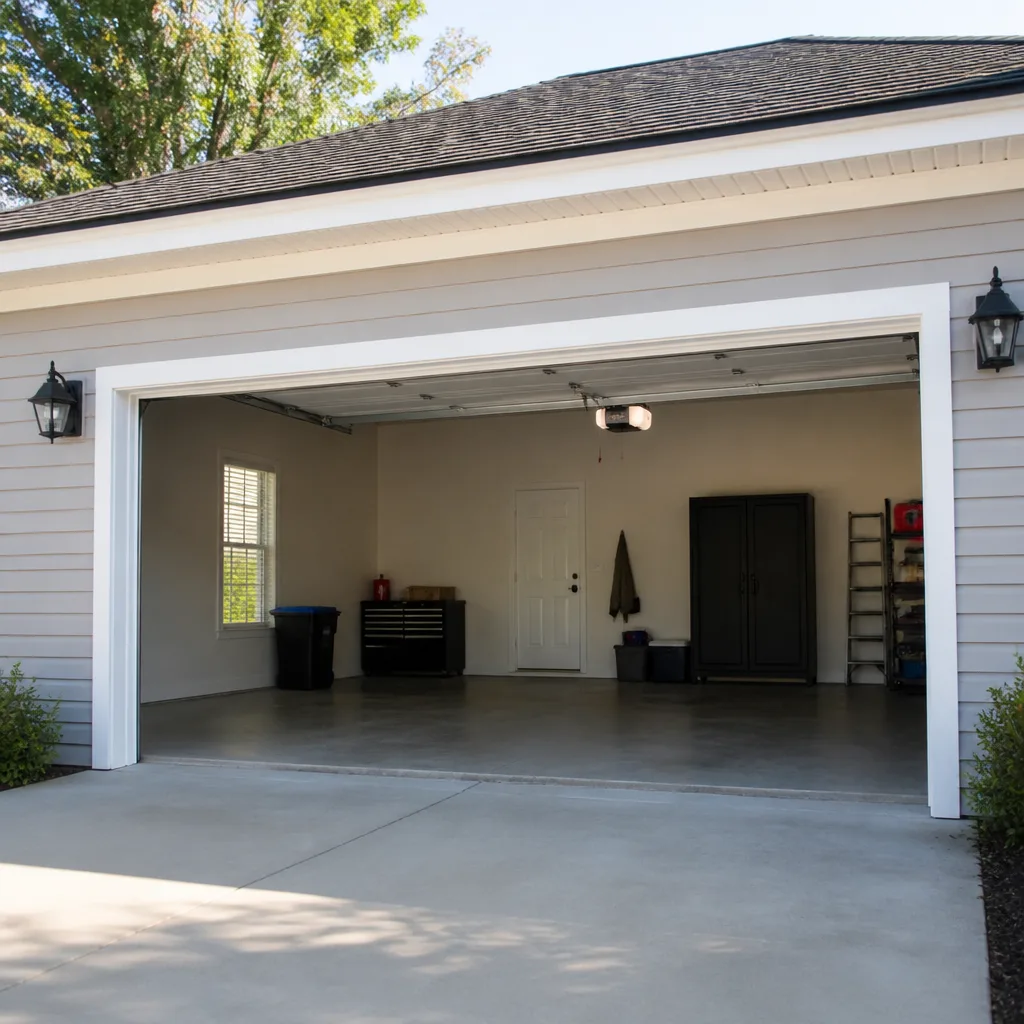 Chamberlain openers
Full 25-point door and opener safety check with every visit - springs, cables, rollers, tracks, and your LiftMaster or Chamberlain opener included
You get a price before we start. It does not change when the pro arrives.
Get your free estimateThe Complete Guide to Garage Doors in Naperville
Most Naperville homeowners think of their garage door as one thing: a big flat panel that goes up and down. It isn’t. It’s a system of interdependent components working under tension every single day, and how you understand that system determines whether a minor problem costs you a small repair or turns into a full replacement. A door that “feels heavy” or “sounds different” isn’t a cosmetic annoyance; it’s one part telling you another part is failing. In this guide, we’ll map every component of that system against the specific stressors Naperville’s climate and housing stock create, from freeze-thaw cycles that attack your bottom seal to the way 1990s-era construction sometimes left double doors under-sprung for modern weights.
Quick Answer
A garage door in Naperville is a mechanical system, not a single unit; treating it that way is the difference between a small fix and an unnecessary full replacement. Most failures trace back to wear on the springs, seals, rollers, and opener, and those parts wear faster here because of repeated freeze-thaw cycles and heavy seasonal use. Understanding each component’s lifespan and stress points lets you repair the right part at the right time, rather than replacing the whole door when a cheaper targeted fix would do.
Styles & brands we work with
- Raised-panel steel
- Carriage house
- Modern flush
- Full-view glass
- LiftMaster openers
- Chamberlain openers
Table of Contents
- How a Garage Door System Actually Works
- How Naperville’s Freeze-Thaw Cycles Wear Your Door
- Single-Car vs. Double-Car Door Loads
- The Component Lifespan Map
- Naperville HOA Standards and Your Door Options
- How to Read Your Door’s Existing Hardware
- Repair or Replace: How to Decide
- A Yearly Maintenance Schedule for Naperville Doors
How a Garage Door System Actually Works
Your garage door is a balanced machine. The opener doesn’t lift the door; it just guides a door that’s already balanced by springs. That distinction matters because almost every “my opener is failing” call we get is actually a spring or balance problem the opener is struggling against. Here’s what’s actually inside the system:
- Torsion springs (or extension springs on older doors): store the energy that counterbalances the door’s weight. These do the real lifting.
- Cables and drums: transfer spring tension to the door and keep it level as it travels.
- Rollers and hinges: carry the door along the track. Worn rollers create noise, drag, and uneven travel.
- Tracks: guide the door’s path. A bent track throws everything else out of alignment.
- Bottom seal and weatherstripping: the barrier against water, cold air, and pests. This is the part Naperville weather attacks first.
- The opener: the motor and drive system (belt, chain, or screw) that moves a balanced door. LiftMaster and Chamberlain units are the most common we encounter locally.
When one part drifts out of spec, the others compensate until they can’t. A slightly worn roller adds drag; the opener works harder; the spring takes more load; the cable stretches. Left alone, a small issue cascades. That’s the core reason diagnosing the real problem matters more than replacing the loudest-sounding part. If you’re seeing symptoms you can’t place, our garage door repair service is built around tracing the failure to its actual source.
How Naperville’s Freeze-Thaw Cycles Wear Your Door
Naperville sits in a climate that swings across the freezing point repeatedly through winter and early spring. That cycle is harder on garage door components than a consistently cold climate, because the damage isn’t the cold itself; it’s the repeated thaw and refreeze. Here’s where it shows up:
- Bottom seals crack and stiffen first. A rubber seal that flexes in mild weather becomes brittle when it freezes, then splits as the door compresses it against the floor. Once it splits, meltwater gets under the door and refreezes, which widens the gap.
- Weatherstripping pulls away from the frame. The adhesive and fasteners that hold side and top seals in place expand and contract with the temperature. Over a few seasons they loosen, and the seal droops or gaps.
- Metal contracts and stresses fasteners. Track brackets, hinges, and spring anchors endure constant expansion and contraction. Fasteners work loose, and the door’s travel gets slightly less true each season.
- Lubrication washes out or thickens. The grease on rollers, hinges, and springs behaves differently at temperature extremes. Parts that were quiet in fall start squealing by mid-winter.
The practical takeaway: in Naperville, your bottom seal and weatherstripping need inspection twice a year, not once. Spring and fall are the natural checkpoints, right before the two seasons that stress them most. A seal that looks fine in July can be failing by the first hard freeze.
Single-Car vs. Double-Car Door Loads
A double-car door is not just a wider version of a single-car door. It’s roughly twice the weight, spanning twice the distance, carried by the same category of springs and a single opener. That geometry creates stresses a single door never sees, and it’s where a lot of quiet problems begin.
On many Naperville homes built in the 1990s, double doors were specified with springs sized to the door’s original weight. Panels have since gained weight through insulation upgrades, added windows, or replacement panels that aren’t the original spec. When a door ends up heavier than its springs were sized for, the symptoms are subtle at first: the opener labors near the top of travel, the door hesitates before it moves, and the springs fatigue faster than they should.
- Single-car doors carry lighter loads and usually show clearer, simpler symptoms when something’s wrong.
- Double-car doors are more sensitive to under-sprung conditions because there’s more weight working against the same spring capacity.
- Insulated or windowed double doors add weight that the original springs may not have accounted for.
If your double door feels heavy when you disengage the opener and lift it by hand, that’s a balance problem, not an opener problem. It usually means the springs need re-evaluation rather than the whole door needing replacement. Our team can measure the actual load and tell you what’s spec’d correctly.
The Component Lifespan Map
Different parts fail on different clocks. Some wear out gradually and give you warning; others let go suddenly with no notice. Knowing which is which tells you what to watch and what to replace proactively.
- Bottom seal and weatherstripping (wears gradually): typically the first thing to fail in Naperville’s climate. Cracks, stiffens, and gaps over a few seasons. Replaced cheaply and often.
- Rollers and hinges (wears gradually): get noisy and draggy over time. You’ll hear them before they fail.
- Torsion springs (fails suddenly): these cycle thousands of times and eventually break, often without warning. This is the component that most often turns a normal morning into a stuck door.
- Cables and drums (wears gradually, fails suddenly): fray visibly before they snap, but the snap itself is abrupt.
- Opener (wears gradually): motor and drive components degrade slowly. The opener usually outlives several sets of springs.
- Tracks and panels (last longest): structural parts that hold up unless physically struck or badly out of alignment.
Springs deserve special attention. They’re the part most likely to fail suddenly, and they’re also the most dangerous to touch. A torsion spring is under extreme tension even when the door is closed. Never attempt to adjust, unwind, or replace one yourself. This is work for a trained technician with the right tools, and it’s a big reason we handle it in-house rather than leaving you to a generalist.
Naperville HOA Standards and Your Door Options
Many Naperville neighborhoods are governed by homeowners associations with architectural standards that dictate what your replacement door can look like. This surprises a lot of homeowners who pick a door style and color first, then discover the association has opinions. It’s worth checking your HOA’s architectural guidelines before you commit to a style.
Common constraints include:
- Panel style: some associations require a specific raised-panel or carriage-house look to keep a uniform streetscape.
- Color: approved palettes are often limited to a handful of neutral tones.
- Window options: whether windows are permitted, and what pattern.
- Material: steel vs. wood-look vs. composite may be specified.
Checking first saves you from buying a door your association won’t approve. When you’re ready, work with a specialist who knows the Clopay, Amarr, Wayne Dalton, and Raynor lines and can match an approved style to your home’s actual opening and weight requirements. The door has to satisfy both the HOA and the physics of your existing hardware.
How to Read Your Door’s Existing Hardware
Before you replace anything, it helps to know whether your door’s springs and hardware were actually spec’d for the door’s current weight. Here’s a general way to read what you have (inspection only, not adjustment):
- Find the spring and its identifying marks. Torsion springs often carry a color code or a wire-gauge marking. Those markings correspond to the spring’s capacity.
- Weigh the door mentally, not literally. Note whether it’s insulated, has windows, or has been fitted with heavier panels than the home originally had.
- Look at the balance. Disengage the opener and lift the door partway by hand. A properly balanced door should stay roughly where you leave it, not fall or fight you.
- Check the cables for fraying. Frayed strands near the drums mean the cable is near the end of its life.
- Note the opener’s age and make. A LiftMaster or Chamberlain unit paired to a door that’s now much heavier may be working outside its design.
If the balance test shows a door that’s heavy or won’t hold position, the springs likely don’t match the door. That’s a conversation worth having before anything else gets replaced. It’s also exactly the kind of diagnosis a garage-door specialist makes quickly, because it’s all we work on.
Repair or Replace: How to Decide
This is the decision homeowners fear most, because they worry a repair call turns into a pushy upsell. It shouldn’t. The honest framework is straightforward:
- Repair wins when the door’s structure is sound and the failure is in a serviceable part: springs, cables, rollers, seals, or the opener. These are the majority of calls.
- Replace makes sense when the door itself is failing: cracked or rusted panels, structural damage, or a door so far out of spec that balancing it isn’t economical.
- A worn but structurally sound door almost never needs full replacement. Don’t let a loud spring convince you otherwise.
We’re fluent across eight of the industry’s dominant brands, including LiftMaster, Chamberlain, Genie, Clopay, Amarr, Wayne Dalton, Craftsman, and Raynor, so we work on what you already have instead of steering you toward a preferred line. If repair is the right call, we say so. If an opener’s failing rather than the door, that’s a separate, often simpler fix under our garage door opener repair service.
A Yearly Maintenance Schedule for Naperville Doors
A little routine attention goes a long way in this climate. Here’s a general schedule to follow (this is what to check and when, not a DIY repair guide; leave adjustment and tension work to a professional):
- Spring check: inspect seals and weatherstripping for cracks and gaps. This is when winter freeze-thaw has done its damage.
- Summer: listen for new noise from rollers and hinges. Note any change in how smoothly the door travels.
- Fall: re-check seals and weatherstripping before the first freeze. Confirm the balance test still passes.
- Before deep winter: have a technician check spring health, cables, and opener operation so you’re not caught with a broken spring in the cold.
- Any time: if the door suddenly feels heavy, sounds wrong, or stops mid-travel, stop using it and get it looked at.
Two of these checks are inspection and two are prevention. The prevention steps are what keep a repair small. If you want a professional set of eyes on the system before it fails, our Steadfast Garage Door Repair team can take a look.
Common Mistakes to Avoid
- Assuming the opener is the problem. Most of the time it’s the springs or balance, and replacing a perfectly good opener doesn’t fix a door that won’t lift.
- Lubricating a torsion spring or climbing up to adjust it. Springs are under extreme tension and are genuinely dangerous. Never touch the spring or cable assembly yourself.
- Ignoring a cracked bottom seal through a Naperville winter. Once water gets under the door and refreezes, the gap widens and the damage compounds.
- Buying a door style before checking your HOA’s architectural standards. Many Naperville associations restrict panel style and color; verify first so you don’t buy a door you can’t install.
- Assuming a 1990s double door is still correctly sprung. If panels or insulation changed, the springs may no longer match the door’s weight.
- Letting a small balance issue ride. An unbalanced door wears out its opener, its rollers, and its springs faster, turning a cheap fix into an expensive one.
- Hiring a general handyman for a garage door. This is a tensioned mechanical system with real safety stakes. It deserves a specialist who works on doors every day.
See the difference
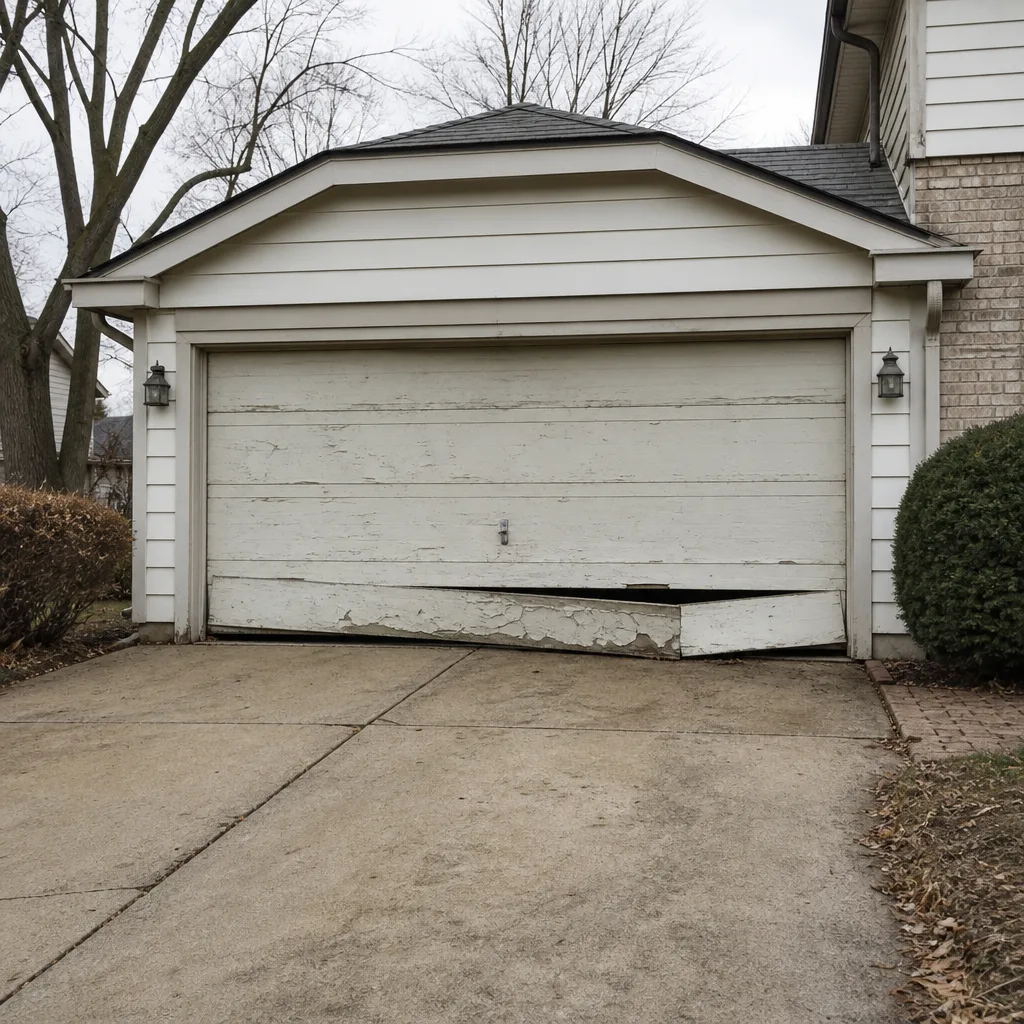 Before
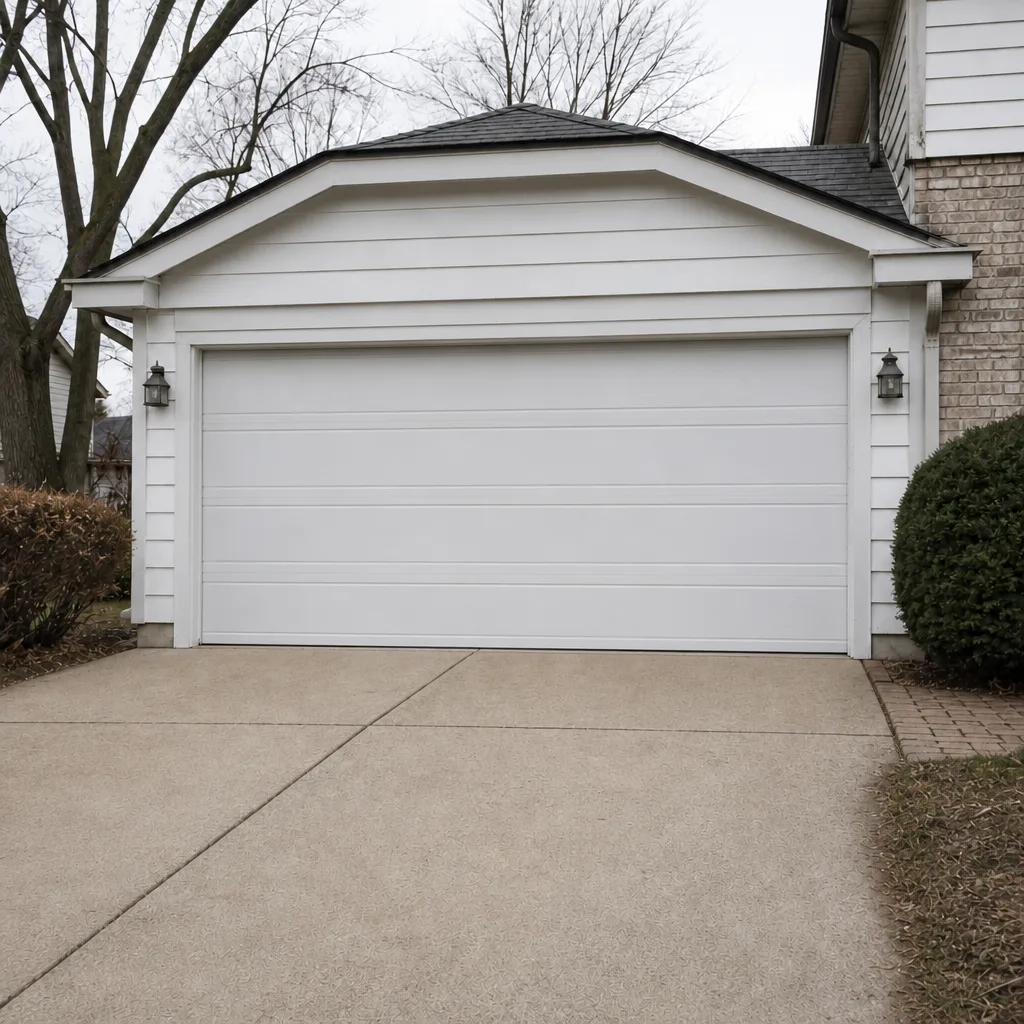 After
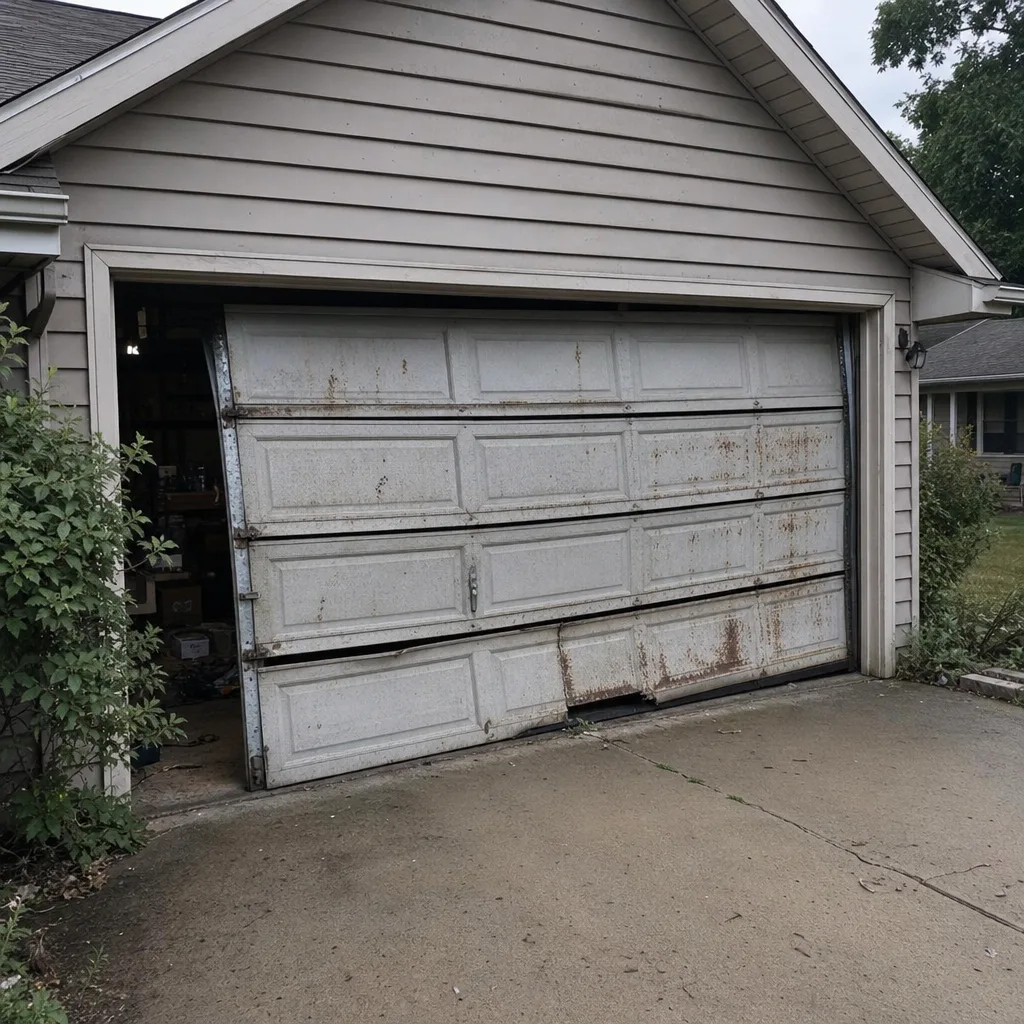 Before
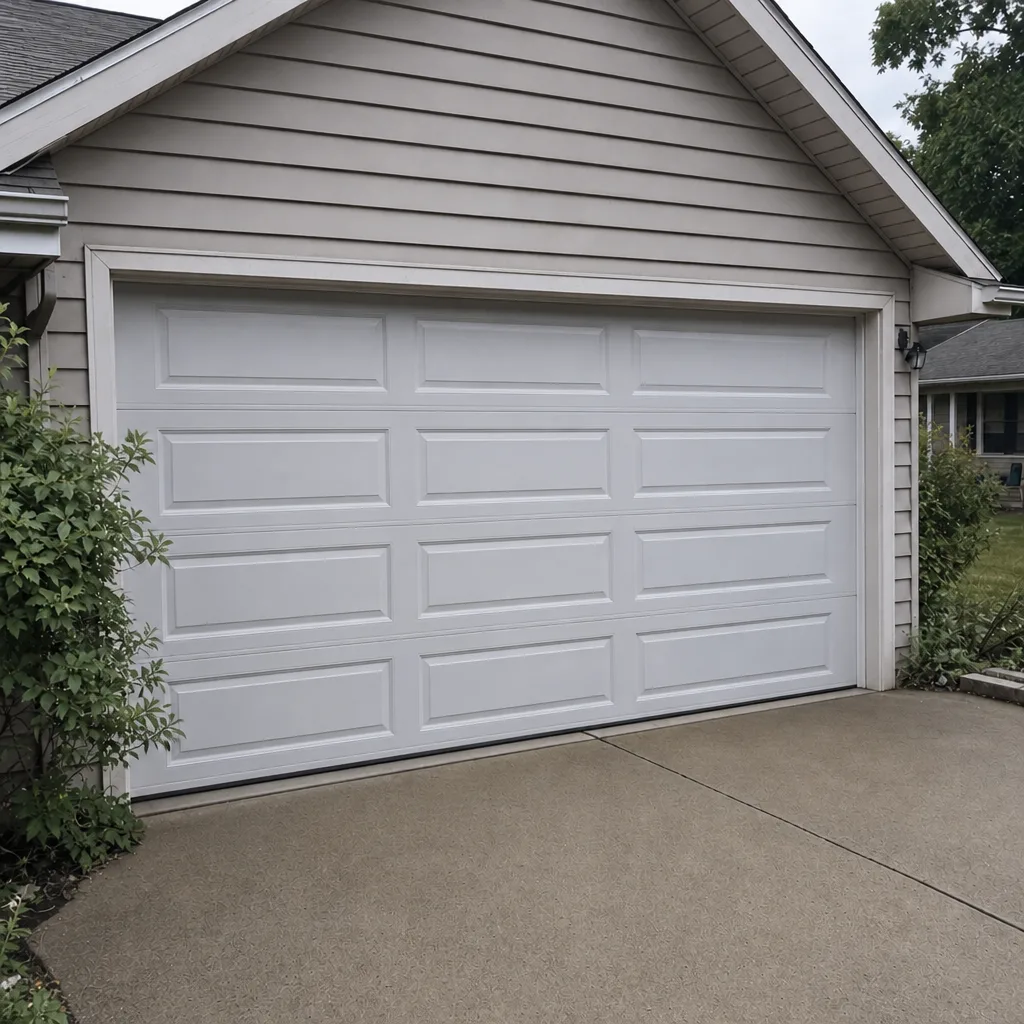 After
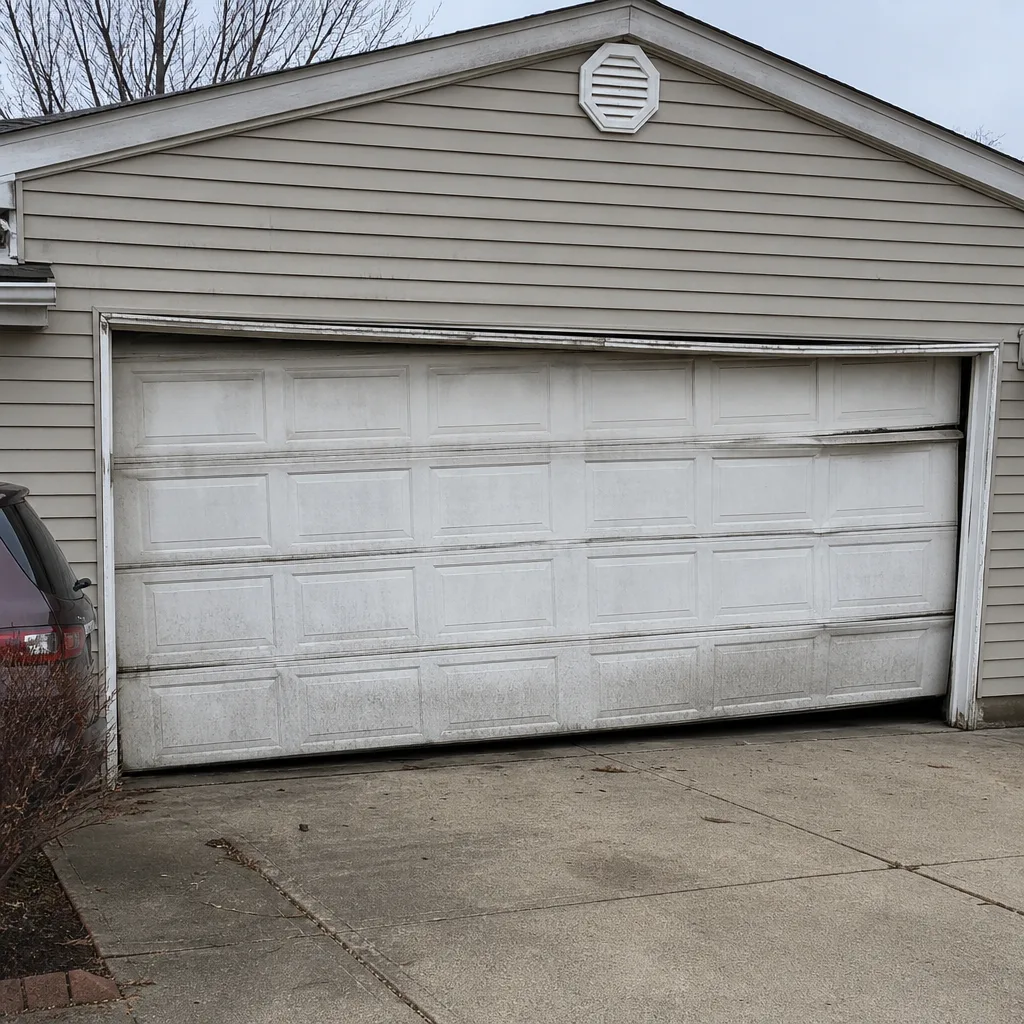 Before
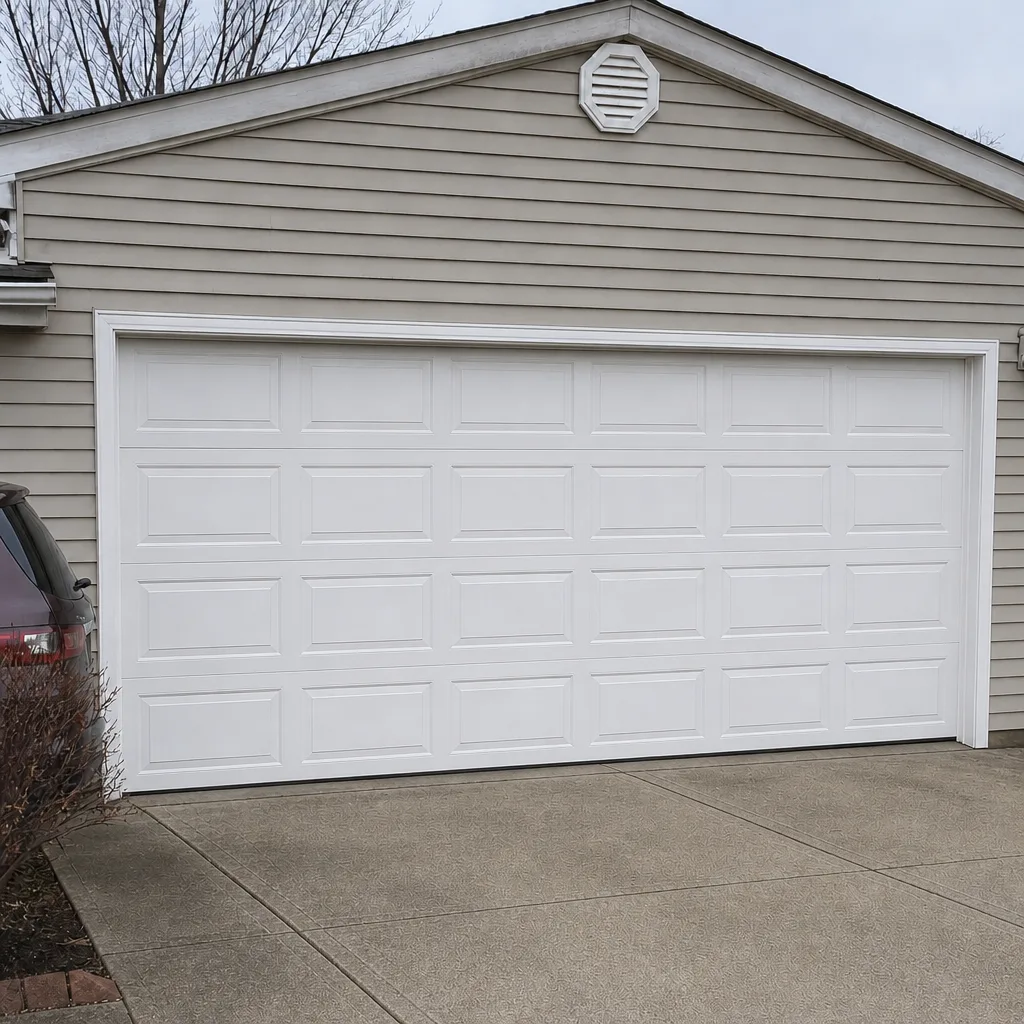 After
When to Call a Professional
Call a professional the moment your door stops behaving normally. That includes a spring that’s snapped or a door that won’t lift, a cable that’s frayed or hanging, a door that comes down crooked or slams, an opener that runs but doesn’t move the door, or any sudden loud noise followed by a door that won’t open. Those symptoms point to tensioned components that shouldn’t be handled by anyone without the right tools. In Naperville, Steadfast Garage Door Repair offers free estimates in Naperville, and our technicians have up to 15 years of experience across repair, opener service, and installation, all handled by the same specialist team. Call (833) 467-3941. We answer 24/7. Fast dispatch from 7am to 7pm, Sunday through Friday.
Frequently Asked Questions
Garage door repair in Naperville is priced per job by a written estimate, and that estimate is free. Spring replacement, for one spring, typically falls in the low-to-mid hundreds, with a matched pair usually replaced together at about twice that. The written estimate sets the final price before any work starts. Call (833) 467-3941 for an exact quote; estimates are free.
Same-day service is often possible for repair calls, depending on scheduling. Call (833) 467-3941 and we’ll tell you what’s available. We answer 24/7. Fast dispatch from 7am to 7pm, Sunday through Friday.
No. The price is quoted and agreed before any work starts, and the written estimate sets the final price. If we find something different during the visit, we explain it and re-quote before touching anything. Call (833) 467-3941 for a free estimate.
Repeated freeze-thaw cycles plus heavy seasonal use wear springs faster here than in milder climates, and a double door that’s under-sprung for its current weight adds extra load. Your springs cycle thousands of times a year, so they’re the part most likely to let go suddenly. Call (833) 467-3941 to have them checked.
Our technicians are experienced professionals and we stand behind the work; verified license and insurance details are confirmed by our team. What we can tell you directly: our technicians have up to 15 years of experience, and we work exclusively on garage doors. Call (833) 467-3941 for service.
Yes. We’re fluent across eight of the industry’s dominant brands, including Raynor, LiftMaster, Chamberlain, and Genie, among others. That means we diagnose your actual equipment rather than steering you toward one line. Call (833) 467-3941 with your make and model.
The Bottom Line
Your garage door is a system, and every part of it has its own wear clock and its own stress points. In Naperville, freeze-thaw cycles attack seals and weatherstripping first, double doors on older homes sometimes run under-sprung, and HOA rules shape what you can install. The single most useful habit is treating unusual symptoms as the system telling you something, then diagnosing the real cause instead of replacing the loudest part. Repair the right component at the right time and you avoid the expensive replacement you don’t need. When in doubt, get a free estimate from a specialist who works on doors exclusively. Learn more about how we serve Naperville homeowners.
Written by the team at Steadfast Garage Door Repair.