
Last updated November 15, 2026
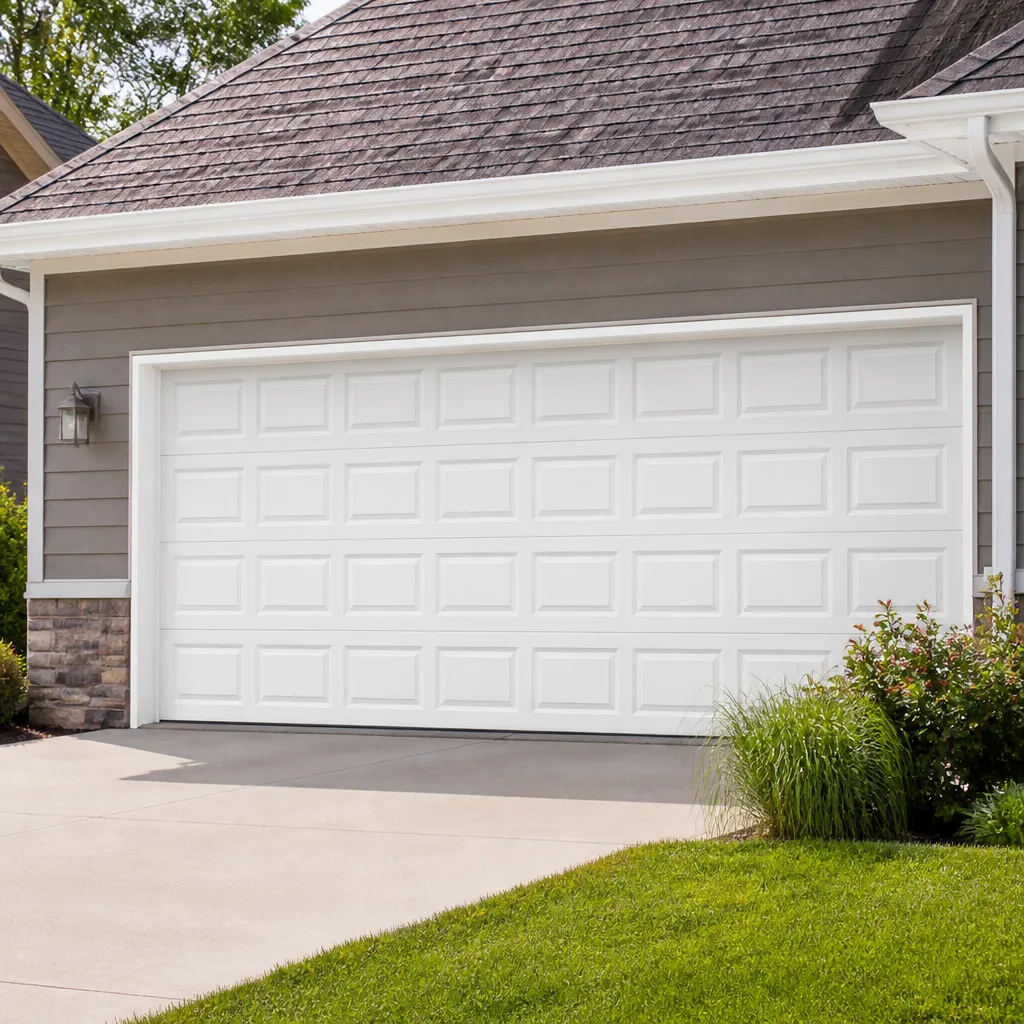 Raised-panel steel
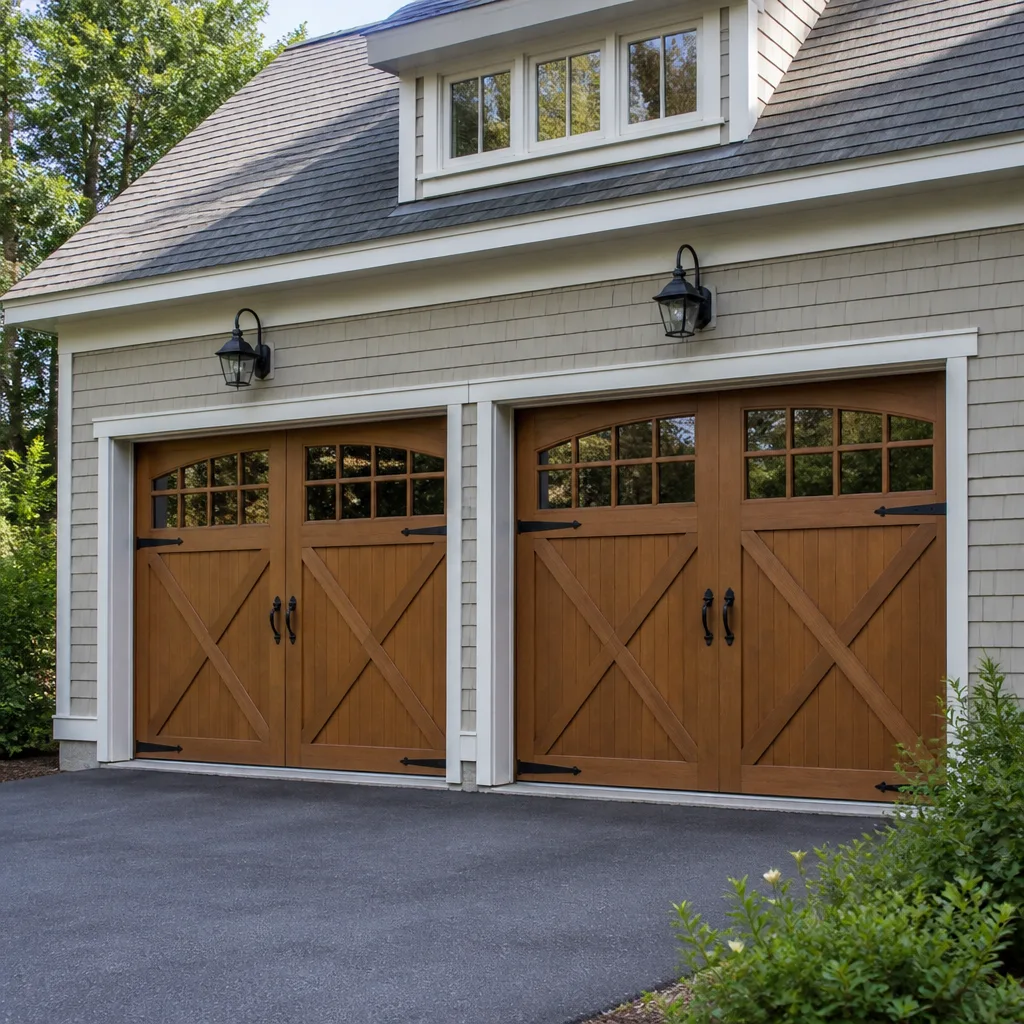 Carriage house
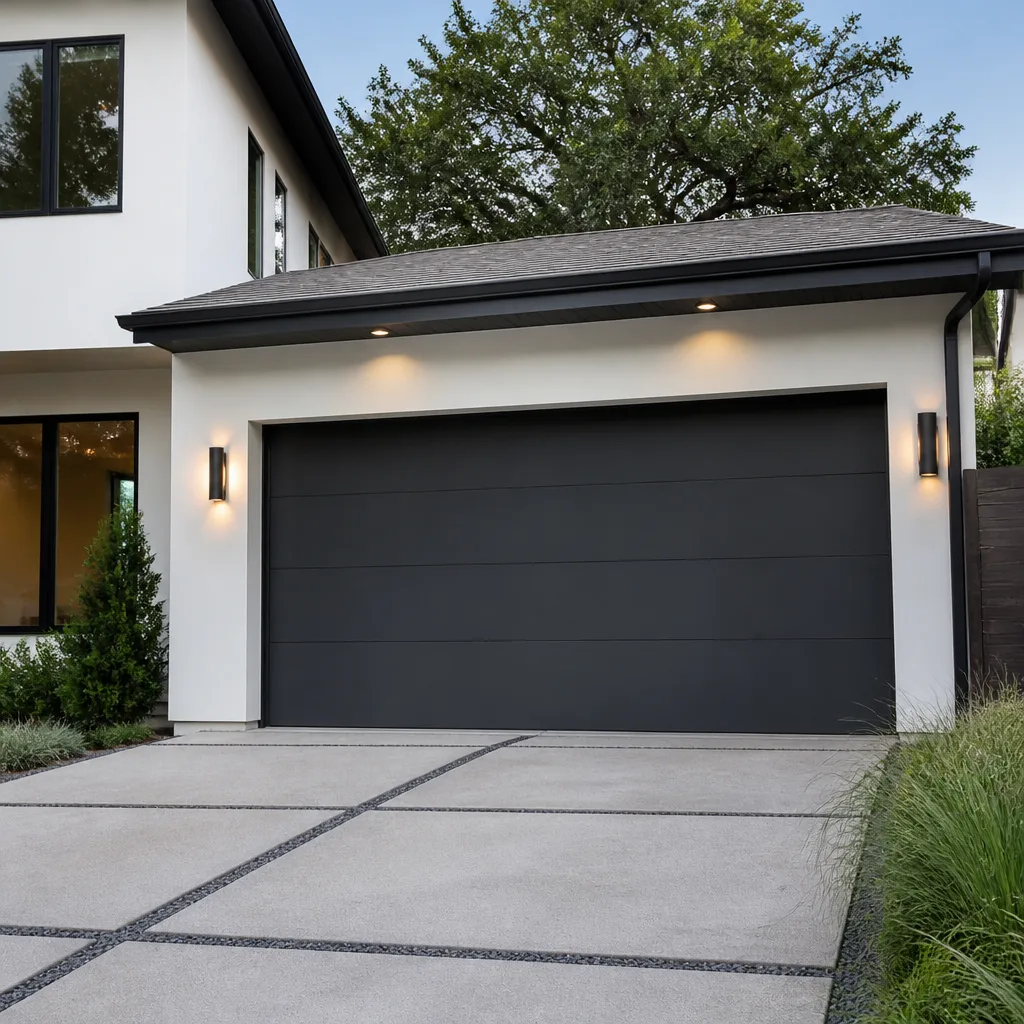 Modern flush
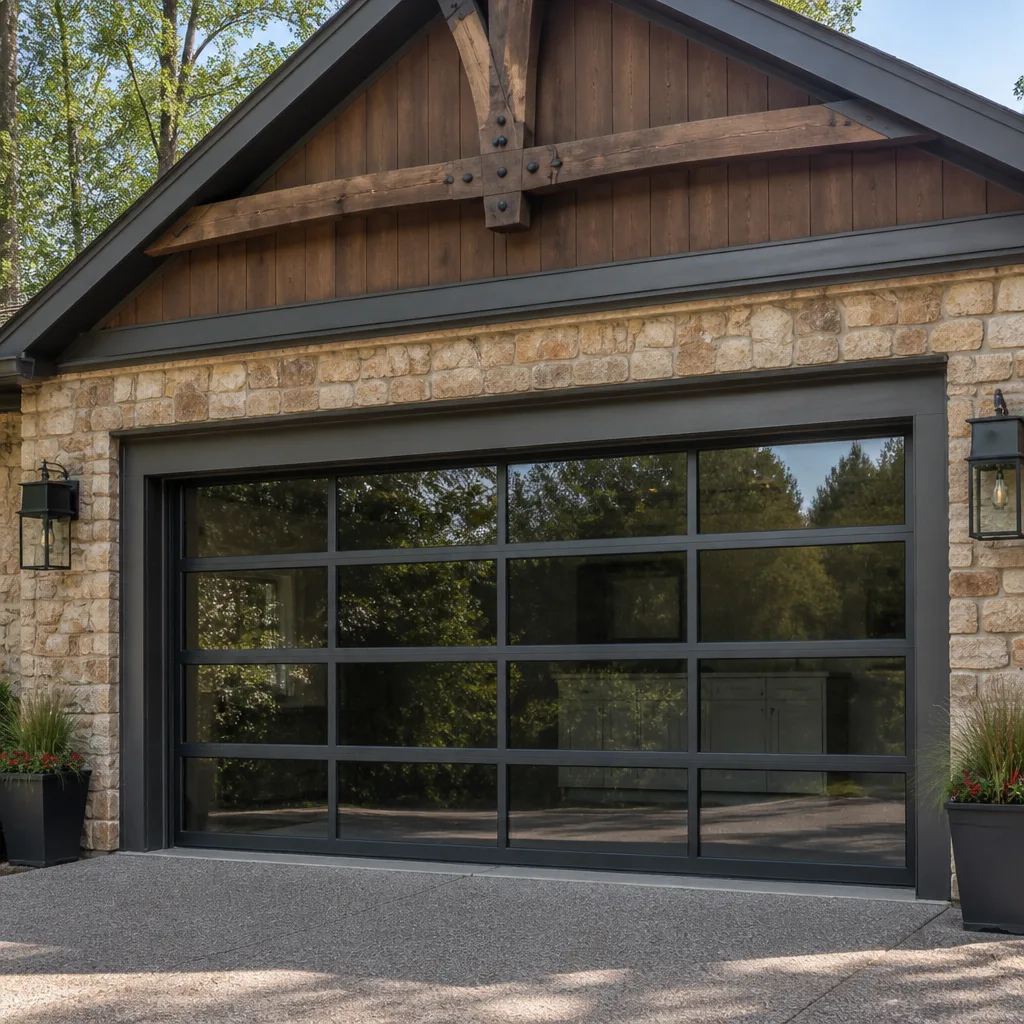 Full-view glass
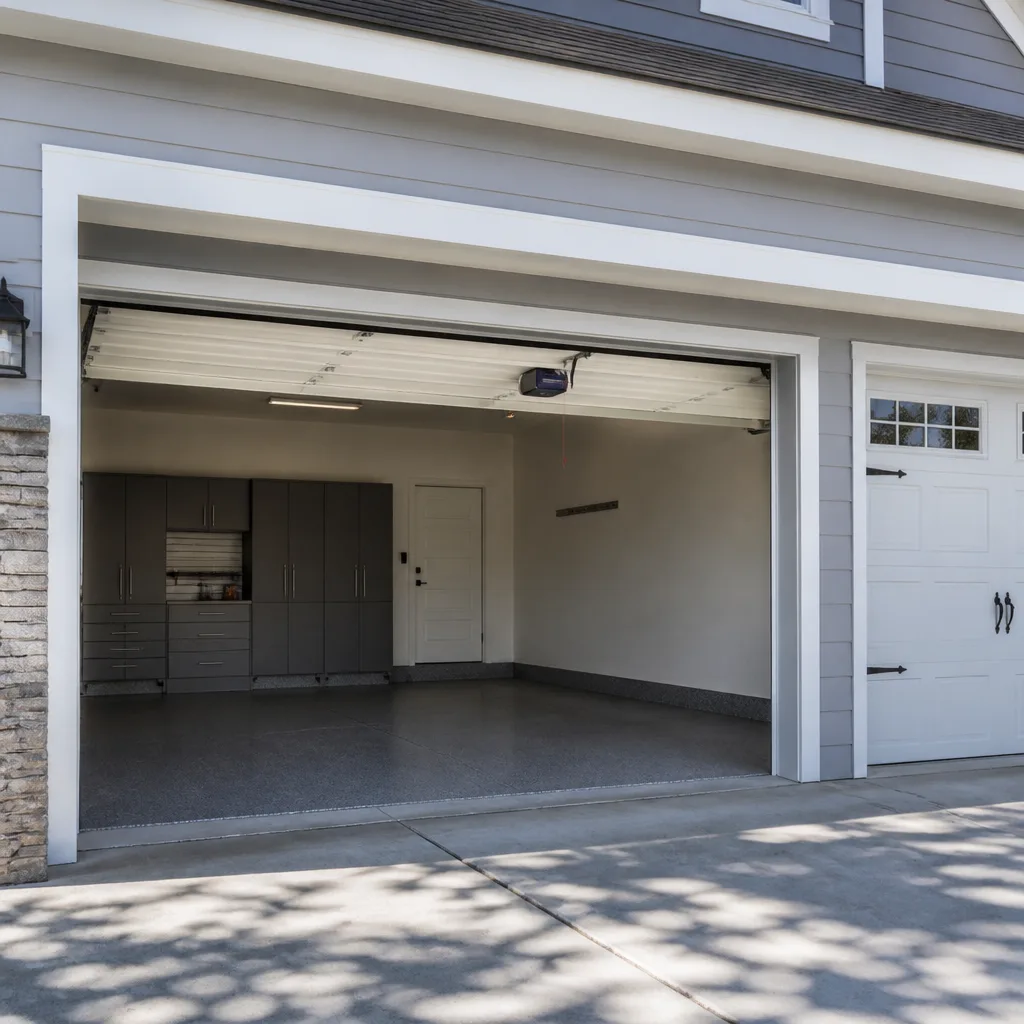 LiftMaster openers
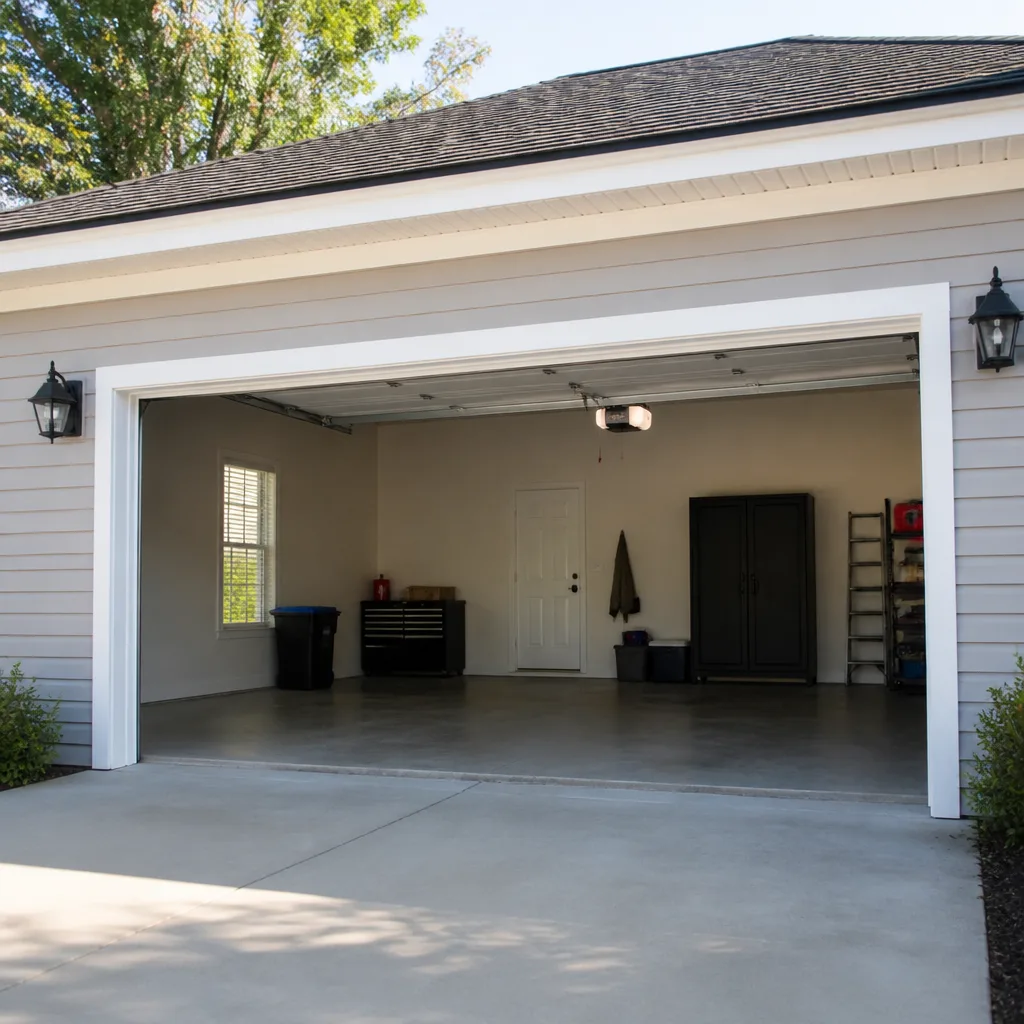 Chamberlain openers
Full 25-point door and opener safety check with every visit - springs, cables, rollers, tracks, and your LiftMaster or Chamberlain opener included
You get a price before we start. It does not change when the pro arrives.
Get your free estimateChoosing the Right Garage Door Brand: A Buyer’s Guide for Naperville
The garage door brand with the biggest national ad budget is not automatically the one that will hold up best through a Naperville winter. Brand recognition sells doors at the point of purchase, but four factors determine how a door actually performs over ten or fifteen years: parts availability, warranty service, spring cycle rating, and how the door handles freeze-thaw cycling and road salt spray. This guide is written from a garage-door-only shop’s perspective, and it’s built to help you judge a brand on the specifications that matter after the installation invoice is paid. We’ll walk through how to read a manufacturer spec sheet, which brands keep common components on the shelf in DuPage County, and what “lifetime warranty” really covers. Naperville homeowners deserve a straight answer on this, so that’s what this is.
Quick Answer
The right garage door brand for Naperville is the one whose local parts supply, warranty process, and steel-and-insulation specs match your home’s exposure to Midwest freeze-thaw cycles and road salt, not the brand with the most advertising. In practice, that means Clopay, Amarr, Wayne Dalton, and Raynor for the door, and LiftMaster, Chamberlain, Genie, or Craftsman for the opener, with the door and opener selected as an integrated pair rather than separately. Our technicians have up to 15 years of experience across these exact product lines, and they’ll tell you the same thing: the brand on the label matters less than the specs underneath it.
Styles & brands we work with
- Raised-panel steel
- Carriage house
- Modern flush
- Full-view glass
- LiftMaster openers
- Chamberlain openers
Table of Contents
- How to Read a Garage Door Spec Sheet (and Ignore the Marketing)
- Which Brands Handle Naperville’s Climate Best
- Parts Availability in the Naperville and DuPage County Market
- What “Lifetime Warranty” Actually Means for Each Major Brand
- Steel Gauge, Insulation, and Weatherseal Compared
- Opener Compatibility and Warranty Voiding
- Common Mistakes to Avoid
- Frequently Asked Questions
How to Read a Garage Door Spec Sheet (and Ignore the Marketing)
A garage door spec sheet is a short list of engineering numbers printed on the back of a brochure or buried on the manufacturer’s website. Most homeowners never read it. The three figures that predict real-world longevity are steel gauge, spring cycle rating, and thermal performance. The figures that are strictly marketing include “premium finish,” “exclusive design,” and just about any phrase with the word “advanced” in it.
Start with steel gauge. Garage door steel runs from about 24 gauge on builder-grade doors up to 27 or 28 gauge on heavier-gauge premium panels. A smaller gauge number means thicker steel, which resists denting and holds its finish longer. In Naperville, where a door can take a shovel handle or a lawn-mower deck to the lower panels, the difference between 24 gauge and 27 gauge shows up over five years.
Next, spring cycle rating. This is the number of open-close cycles a torsion or extension spring is rated for before it’s expected to fail. Standard springs are rated around 10,000 cycles. High-cycle springs run to 20,000 to 25,000 cycles or more. A family that leaves and returns twice a day logs about 1,500 cycles a year, so the difference between a 10,000-cycle spring and a 25,000-cycle spring is years of service. Many door manufacturers offer high-cycle springs as an upgrade, and it’s one of the few upgrades that pays back in real life.
Third, thermal performance. This is expressed as an R-value for insulated doors. An uninsulated steel door provides very little resistance to heat transfer. An insulated door with a polyurethane core provides much more, and a polyurethane core generally outperforms a polystyrene core at the same door thickness. If your garage shares a wall with a conditioned room above or beside it, thermal performance matters for the house, not just for the door.
The spec metrics that tell you nothing useful about longevity: the color name, the “architectural series” title, and the size of the brochure picture. Skip those and go straight to the three numbers above. When we look at a door during a garage door repair call, those are the specs we check first.
Which Brands Handle Naperville’s Climate Best
Naperville sits in a climate that throws two things at a garage door that coastal or desert markets never see: hard freeze-thaw cycles all winter, and road salt tracked onto the door panels and bottom seal. That combination is where a cheap door shows its age fastest, and where a well-spec’d door from a brand with a strong Midwest presence earns its price.
Freeze-thaw cycling is hard on door hardware. When water gets into a bottom weatherseal and freezes overnight, it expands and stresses the seal and the bottom panel. A thicker bottom rubber, a better-sealed jamb detail, and a heavier-gauge steel at the bottom section all help. Brands that build their cold-climate models with a specific bottom-seal design, like Clopay and Amarr, tend to hold up better here than a door built for a milder regional market.
Road salt is the second factor. Salt spray from the car’s underside and the wheel wells kicks onto the bottom two panels of the door anytime you drive into the garage after a snow. Stainless or galvanized hardware and a properly prepped steel finish that resists salt corrosion last longer. In DuPage County this is a real consideration, not a theoretical one. We’ve seen thousands of doors with rust blooming from the bottom section up, and it almost always starts at the same place – road salt sitting on a thin-gauge door.
Wind is a third factor. Naperville has had significant straight-line wind events over the years, and modern doors are available with wind-load reinforcement rated for specific wind speeds. A door with a wind-load rating appropriate to your home’s exposure resists panel blowout and locking-bar failure better than a door without one. If you’re replacing a door on an exposed side of the house, ask your installer to quote a wind-rated model.
Brands that have consistently built cold-climate, salt-tolerant, wind-rated doors for the Midwest market include Clopay, Amarr, Wayne Dalton, and Raynor. Each has specific models that are better suited to Naperville than others, and picking the right model inside a brand matters more than picking between brands at the top level.
Parts Availability in the Naperville and DuPage County Market
When a garage door fails, the question stops being which brand is best and starts being which brand can be fixed today. Parts availability is the single most underrated brand criterion, and it depends almost entirely on whether the brand has a distribution channel in the Chicago metro.
Brands with established Midwest distribution – LiftMaster, Chamberlain, Genie, Clopay, Amarr, Wayne Dalton, and Raynor – typically have standard components like rollers, hinges, cables, bottom seals, and opener remotes available through local supply houses. A specific obsolete or discontinued model can still be an issue on any brand, but the everyday parts are usually close by. Craftsman, historically sold through a national retail chain, can be trickier on discontinued opener models, especially older chain-drive units where the control board or the drive gear is no longer produced. That doesn’t mean Craftsman openers are bad. It means if you have an older Craftsman opener with a failed control board, the fix may come down to whether a compatible universal replacement is safe for that unit, which an experienced technician can determine.
Here’s the practical test for parts availability when you’re shopping a brand:
- Ask the dealer whether standard springs, rollers, hinges, and bottom seals for that model are stocked locally or through a regional distributor.
- Ask what the typical lead time is for a replacement panel or a top section on that model.
- Ask whether the model’s opener remotes and safety sensors are current production or discontinued.
- Ask what happens if the door needs a part after five years – is the model likely to still be supported?
In our experience covering Naperville and the surrounding area, doors from LiftMaster, Chamberlain, Clopay, Amarr, Wayne Dalton, and Raynor consistently have the shortest wait times on standard parts. A homeowner with a discontinued door from an obscure brand can wait weeks for a spring or a hinge that’s back-ordered. That’s the difference between a door that’s down for an afternoon and one that’s down for a season.
What “Lifetime Warranty” Actually Means for Each Major Brand
“Lifetime warranty” sounds absolute. In practice, it’s a set of terms that usually covers a specific part for a specific period under specific conditions, and it almost never covers the labor to install a replacement part. Understanding how each brand structures its warranty is the difference between a claim that goes smoothly and one that turns into a fight.
At a high level, garage door warranties split into three layers:
- Structural warranty covers the door’s frame, sections, and hardware against manufacturing defects or structural failure. This is what “lifetime” usually refers to, and it usually applies to the original purchaser only. It does not transfer to a new owner of the home in most cases.
- Finish warranty covers the factory paint or finish against peeling, cracking, or excessive fading. This is often shorter than “lifetime” – commonly a few years to a decade – and typically has exclusions for salt corrosion and improper cleaning.
- Hardware and labor warranty covers springs, rollers, hinges, and the labor to replace them. This is usually the shortest layer and often only a year or two, sometimes less on springs.
Two exclusions show up across almost every major brand: improper installation and improper maintenance. If a door wasn’t installed to the manufacturer’s specification, or the spring wasn’t tensioned correctly, the brand can deny a claim. If the door wasn’t lubricated and adjusted per the owner’s manual, the brand can deny a claim on the hardware. This is exactly where a garage-door-only installer helps: a specialist who installs to spec and documents the install protects your warranty. A general handyman who installs a door “well enough” can quietly void it.
Steel gauge and R-value get the marketing attention, but the warranty claims process is where brand loyalty is really earned or broken. Before you buy, ask a dealer: what’s excluded on this specific model, what documentation is required for a claim, and whether the manufacturer will send the part directly to your home or only to a licensed dealer. Clopay, Amarr, Wayne Dalton, and Raynor each have their own process. Ask, don’t assume.
Steel Gauge, Insulation, and Weatherseal Compared
Below is a practical comparison of the product lines we service and install most often in Naperville. The point isn’t to crown a winner. It’s to show what to look for in any model, so you can read the next spec sheet yourself.
Steel gauge and panel construction. Clopay and Amarr build doors with two-piece and three-layer construction at their premium tiers, which adds rigidity to the panel and helps resist denting. Wayne Dalton builds some of its residential doors with a single-piece construction and a distinctive foam-core panel that has different flex characteristics. Raynor’s steel doors emphasize a heavier-gauge panel in their commercial-grade lines. The comparison worth making: a 24-gauge door versus a 27-gauge door of the same nominal model name. Ask for the gauge number explicitly.
Insulation core and R-value. Polyurethane core doors generally achieve a higher R-value than polystyrene core doors of the same thickness. If your garage is attached and you heat or cool the space near it, polyurethane is usually worth the cost. If the garage is fully detached and unconditioned, the R-value matters less than the seal at the bottom and around the perimeter. Clopay’s polyurethane-core lines and Amarr’s insulated lines are the ones most Naperville homeowners land on when insulation is the priority.
Weatherseal design. The bottom seal and the perimeter seal are what keep snow, water, and the occasional determined mouse out of the garage. A quality bottom seal is thick enough to compress against an uneven floor, and a perimeter seal needs a proper jamb detail. Wayne Dalton and Raynor have specific seal and jamb designs intended for cold-climate markets. If you’re in Naperville and the door faces north, the bottom seal is where you’ll notice failures first.
What to check on any door, regardless of brand:
- Steel gauge at the bottom section – typically the first thing to rust.
- Spring cycle rating – 10,000 is standard, 25,000+ is high-cycle.
- Insulation type and R-value, if the door is insulated at all.
- Bottom seal thickness and how it attaches to the bottom panel.
- Wind-load rating, at least at the level your home’s exposure calls for.
For opener specifics on a door replacement, see our guide to garage door opener repair, where we walk through the compatibility points in more depth.
Opener Compatibility and Warranty Voiding
A garage door and its opener are a matched mechanical system, and mixing brands between them is where warranties quietly break. The opener manufacturer’s warranty typically assumes the opener is paired with a door within a certain weight and balance range. The door manufacturer’s warranty typically assumes the door is operated by a properly sized opener. If the door is heavier than the opener is rated for, or the door’s spring balance is off, the opener runs hot and the warranty claim is at risk.
Common compatibility issues that come up on Steadfast Garage Door Repair service calls in Naperville:
- Weight mismatch. A heavier insulated door paired with an opener sized for a lighter door. The opener heats up, the motor or control board fails early, and the warranty claim is denied because the door exceeded the rated capacity.
- Safety sensor incompatibility. Older Chamberlain or Craftsman openers use a specific safety sensor protocol. A replacement opener from a different brand may require both the opener head and the sensors to be replaced together, and mixing an old sensor with a new opener is a safety problem, not just an inconvenience.
- Balancing spring sizing. The door’s torsion spring has to be sized for the door’s actual weight. If a heavier door is installed on a lighter-spring setup, the opener does more lifting work than it should and the door’s warranty claim on a spring failure can be denied.
- Remote and keypad ecosystem. LiftMaster, Chamberlain, and Craftsman historically shared a remote family; Genie does not. If you want to keep your car’s built-in HomeLink or your existing remotes, the opener brand matters.
This is the single strongest argument for buying the door and opener together from an installer who services both brands. When we install a new door, we size the opener to the door, size the spring to the door weight, and document the pairing. If the door is a Clopay and the opener is a LiftMaster, that’s a perfectly good combination – as long as the pairing is documented and the specs are right. The Naperville homes we visit with the fewest opener problems are the ones where the door and opener were selected together.
Common Mistakes to Avoid
- Choosing a brand by the ad you saw during a ballgame. National advertising budget has almost no relationship to a door’s spring cycle rating, steel gauge, or how well its finish resists road salt in Naperville. Read the spec sheet, not the commercial.
- Buying an insulated door without checking the R-value. Two doors both labeled “insulated” can differ dramatically in thermal performance depending on the core material. A polystyrene core and a polyurethane core are not interchangeable, and the label doesn’t always say which you’re getting.
- Pairing a heavy door with a builder-grade opener. The opener’s warranty and the door’s warranty both depend on a matched system. Putting a premium insulated door on a mid-tier opener is the most common warranty-voiding mistake we see.
- Skipping the local parts-availability question. A door from a brand with no Midwest distribution can be down for weeks on a common part. Ask before you buy, not after.
- Believing “lifetime” means “everything for life.” The warranty almost always covers one layer (usually structural) for the original purchaser only, and almost never covers the labor to install the replacement part.
- Letting a general handyman install a brand-name door. Improper installation is a standard warranty exclusion on every major brand. A specialist installer who works to the manufacturer’s spec protects the warranty you paid for.
- Ignoring wind-load rating on an exposed wall. Naperville has had significant wind events, and an unrated door on an exposed side of a home can fail at the locking bar or panel joint. Wind-load rating isn’t a marketing phrase; it’s a spec.
See the difference
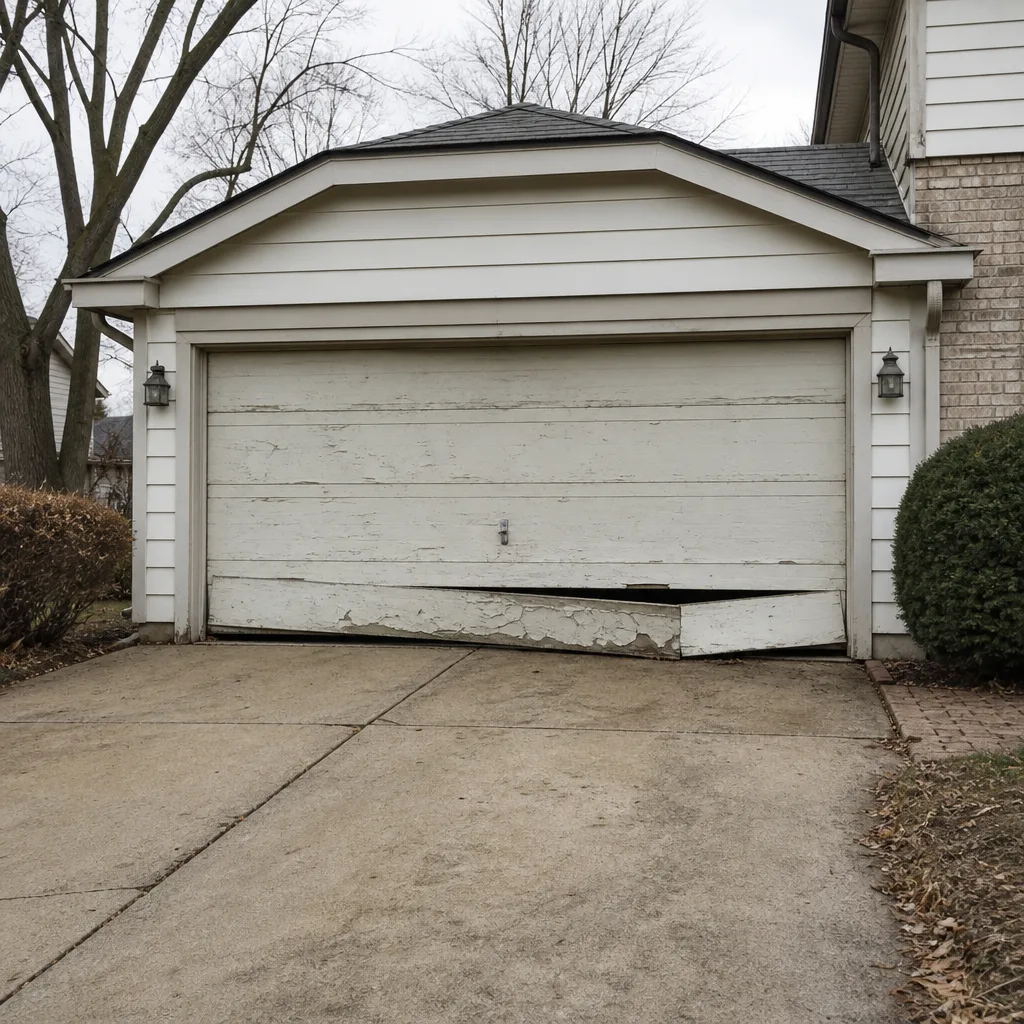 Before
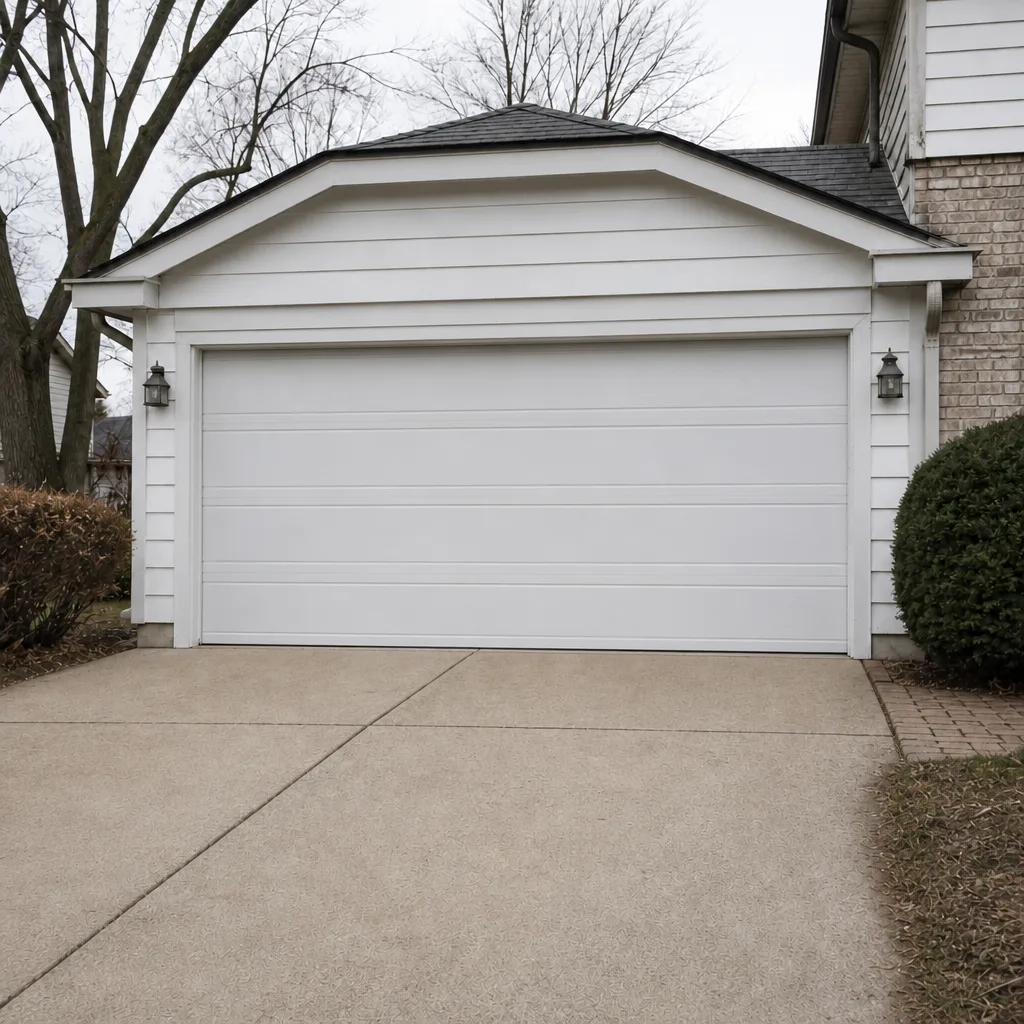 After
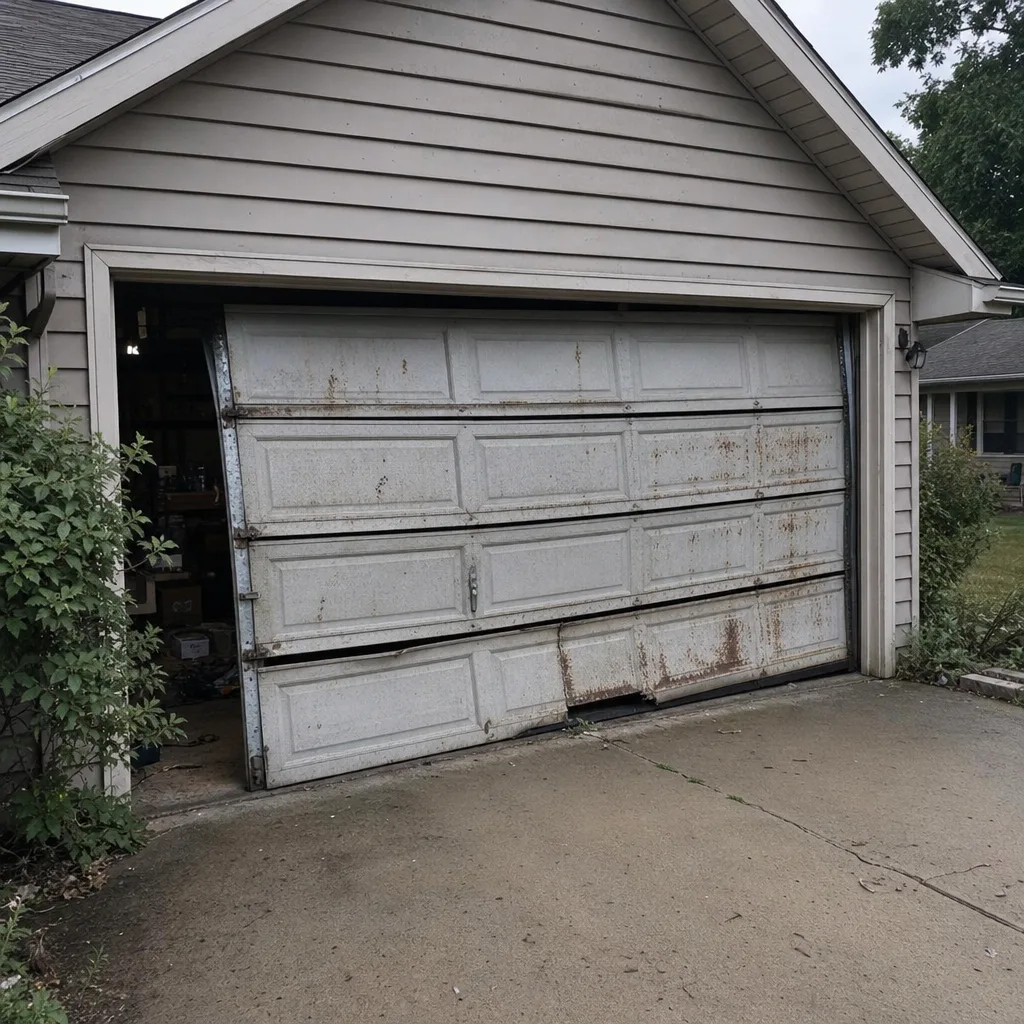 Before
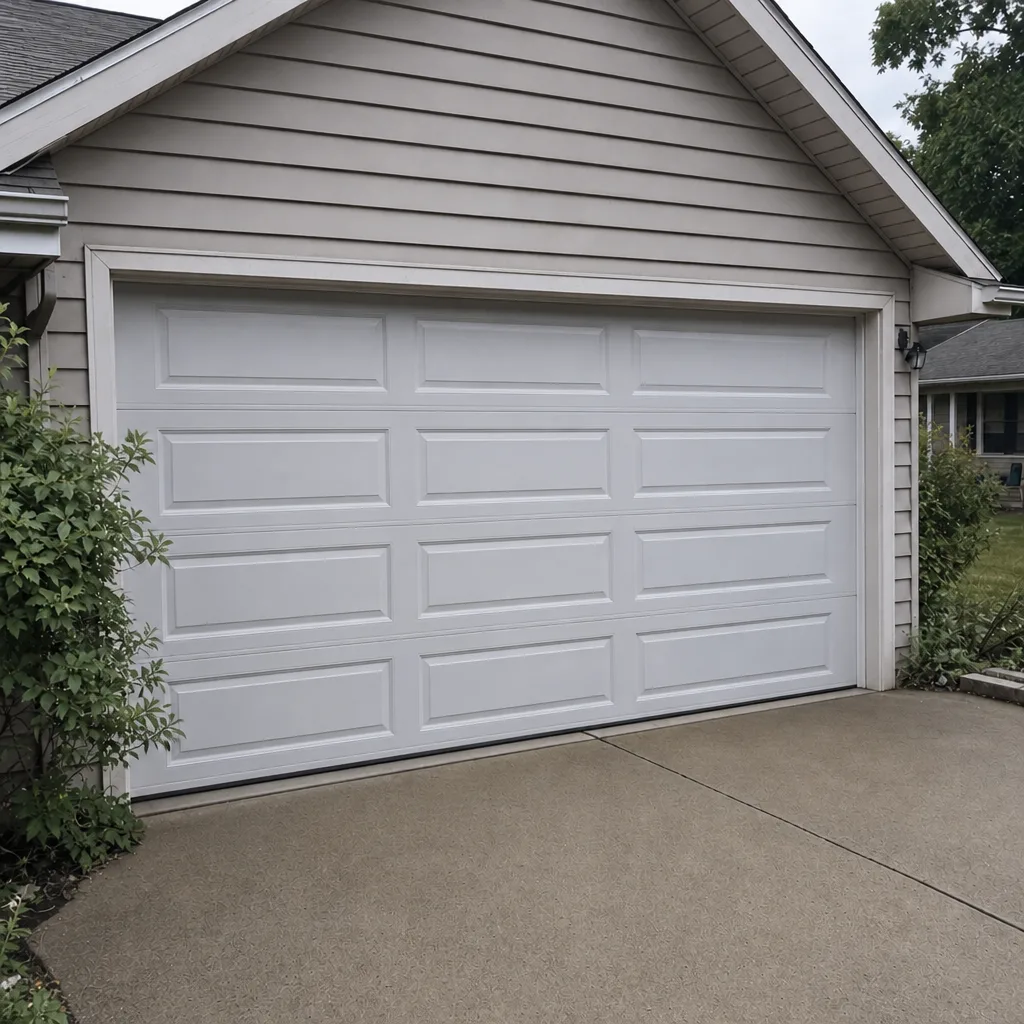 After
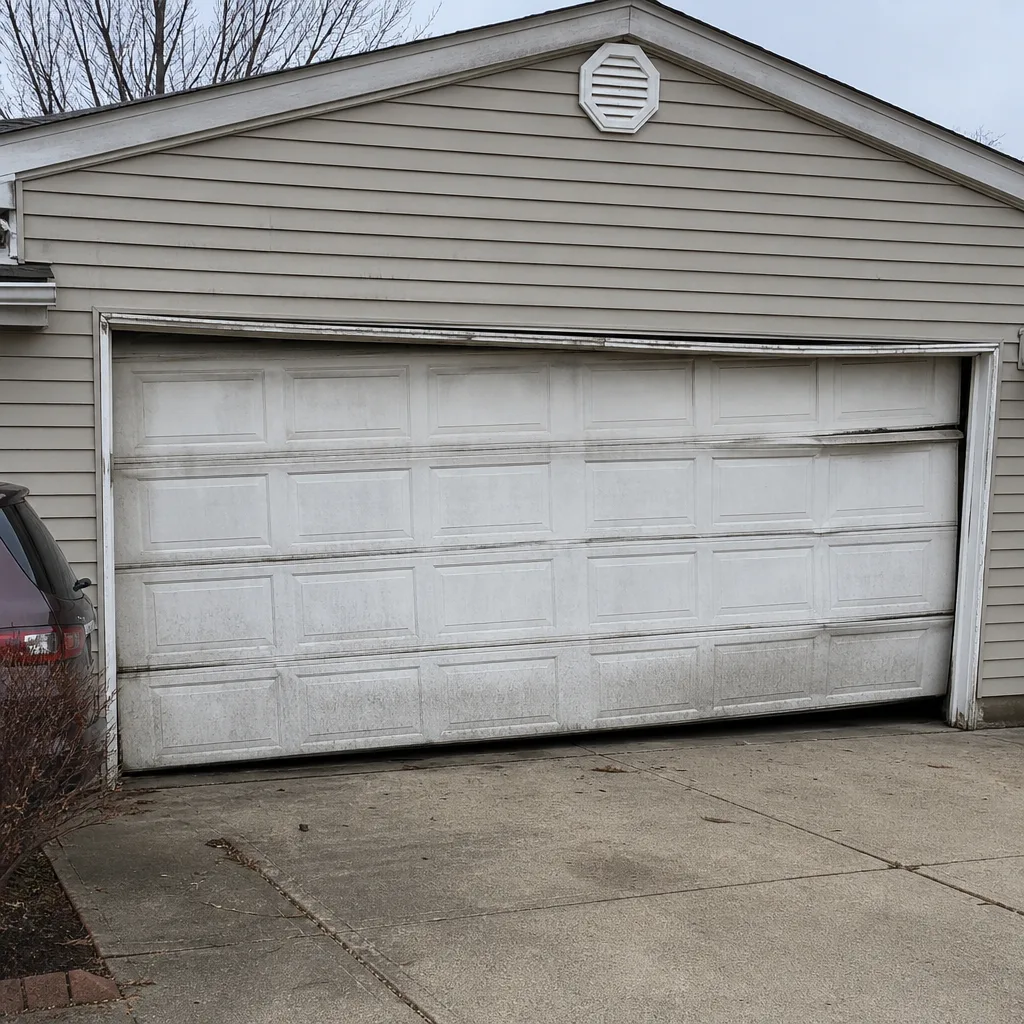 Before
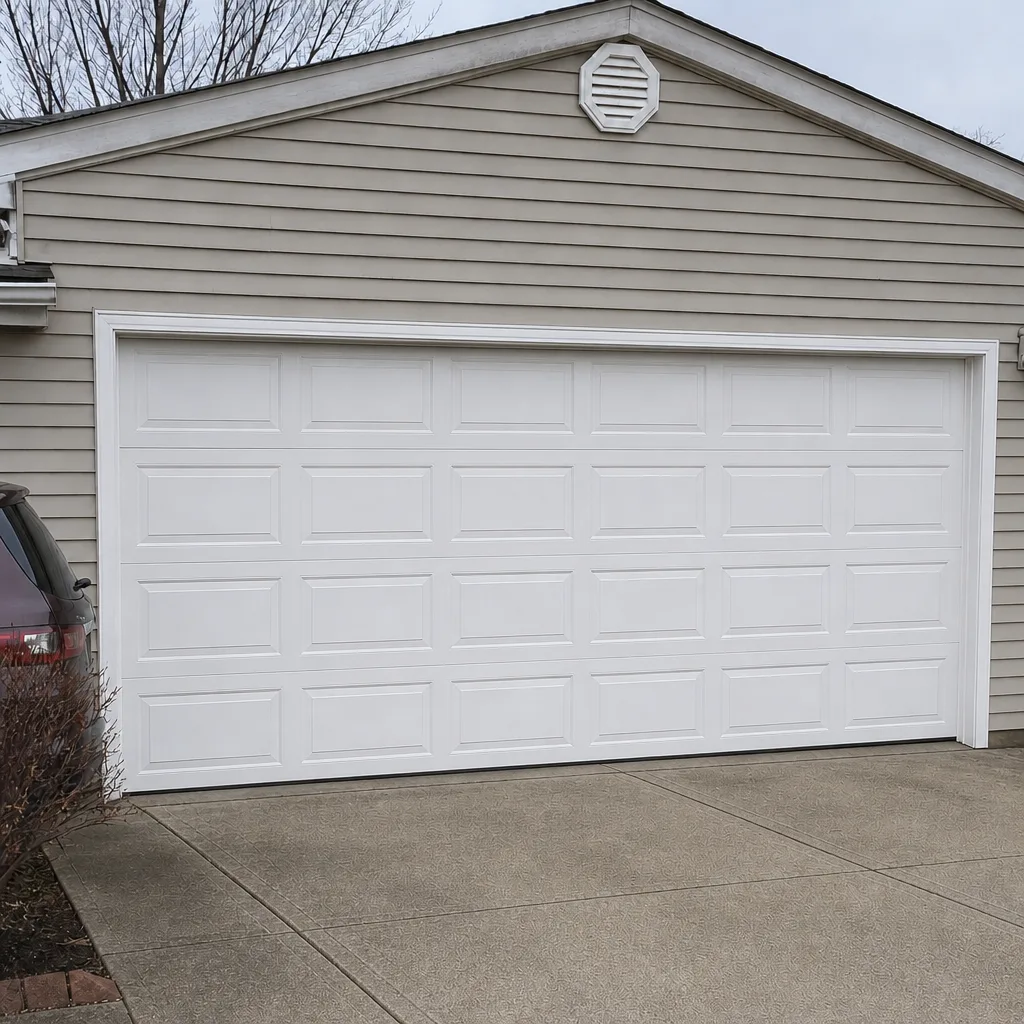 After
When to Call a Professional
Some garage door jobs are safe to handle yourself, and some are genuinely dangerous. Torsion springs and the cables that run alongside them are under enormous tension, and a spring that lets go during a homeowner repair can cause serious injury. If the spring is broken, the door is out of balance, or a cable is frayed, that’s a call-a-professional job, full stop. The same goes for opener electrical work inside a control box, and any repair on a door that has come off its track. Minor jobs – replacing a remote battery, lubricating rollers, adjusting a photo-eye that got bumped – are reasonable to do yourself if you follow the manual. Anything involving tension, weight, or electricity inside the opener housing should go to a trained technician. Steadfast Garage Door Repair offers free estimates in Naperville – call (833) 467-3941 to book one. We answer 24/7. Fast dispatch from 7am to 7pm, Sunday through Friday.
Frequently Asked Questions
There’s no single best brand, but Clopay, Amarr, Wayne Dalton, and Raynor are the four door brands that consistently build cold-climate, salt-tolerant, wind-rateable models appropriate for Naperville homes, and LiftMaster, Chamberlain, Genie, and Craftsman are the opener brands with the strongest local parts availability. The right pick for your home depends on your exposure (which direction the door faces), whether the garage is conditioned, and your budget – and the biggest factor is the specific model within a brand, not the brand itself. Call (833) 467-3941 for a free estimate on a door replacement – estimates are free.
Pricing depends on the model, size, insulation, and whether the opener is being replaced at the same time, so the number is set by the written estimate after we measure the opening. We don’t quote a range over the phone because the range would be meaningless for your specific garage. What we can tell you: the written proposal is the price, and it’s agreed before any work starts. Call (833) 467-3941 for a free estimate.
You can mix brands as long as the pairing is sized correctly – a Chamberlain door on a LiftMaster opener is a fine combination when the opener is rated for the door’s weight and the spring is sized for the door. What breaks warranties is a weight mismatch or an improperly sized spring, not the brand name on the label. Have a garage-door specialist verify the pairing before installation. Call (833) 467-3941 for a free estimate and we’ll spec the pairing for your garage.
LiftMaster, Chamberlain, Genie, Clopay, Amarr, Wayne Dalton, and Raynor all have Midwest distribution and typically get standard parts – springs, rollers, hinges, and bottom seals – through regional supply quickly. Craftsman is generally fine for current models, but discontinued Craftsman opener control boards can be harder to source, and a universal replacement isn’t always the safe fix. Call (833) 467-3941 for a free estimate, and we’ll tell you honestly whether your model’s parts are readily available.
Usually not. Lifetime warranties on garage doors typically cover the structural frame and sections for the original purchaser, not the springs, rollers, or hinges, which typically fall under a shorter hardware warranty. The labor to replace a spring is almost never covered, and improper installation or skipped maintenance can void the hardware coverage entirely. Ask for the specific warranty document on the model you’re considering. Call (833) 467-3941 for a free estimate.
Yes, when possible. Using one garage-door specialist for both means the door and opener are sized together, the spring is matched to the door’s actual weight, and the pairing is documented, which keeps both warranties intact. Splitting the job between two companies is where compatibility issues and warranty disputes originate. Call (833) 467-3941 for a free estimate on a combined door and opener replacement.
The Bottom Line
Brand choice for a garage door in Naperville should be driven by four things: steel gauge, spring cycle rating, insulation and seal design, and local parts availability. National advertising doesn’t predict any of them. The clear picture from most Naperville installs: pick a specific model from Clopay, Amarr, Wayne Dalton, or Raynor for the door, pick a model from LiftMaster, Chamberlain, Genie, or Craftsman for the opener, and have a garage-door specialist size the two together so both warranties stay intact. If you’re replacing a door, start by asking about parts availability and the warranty document, and read the spec sheet before you read the brochure. When you’re ready, our technicians have up to 15 years of experience across all these brands. Call (833) 467-3941 for a free estimate. We answer 24/7. Fast dispatch from 7am to 7pm, Sunday through Friday.
Written by the team at Steadfast Garage Door Repair.