
Last updated November 15, 2026
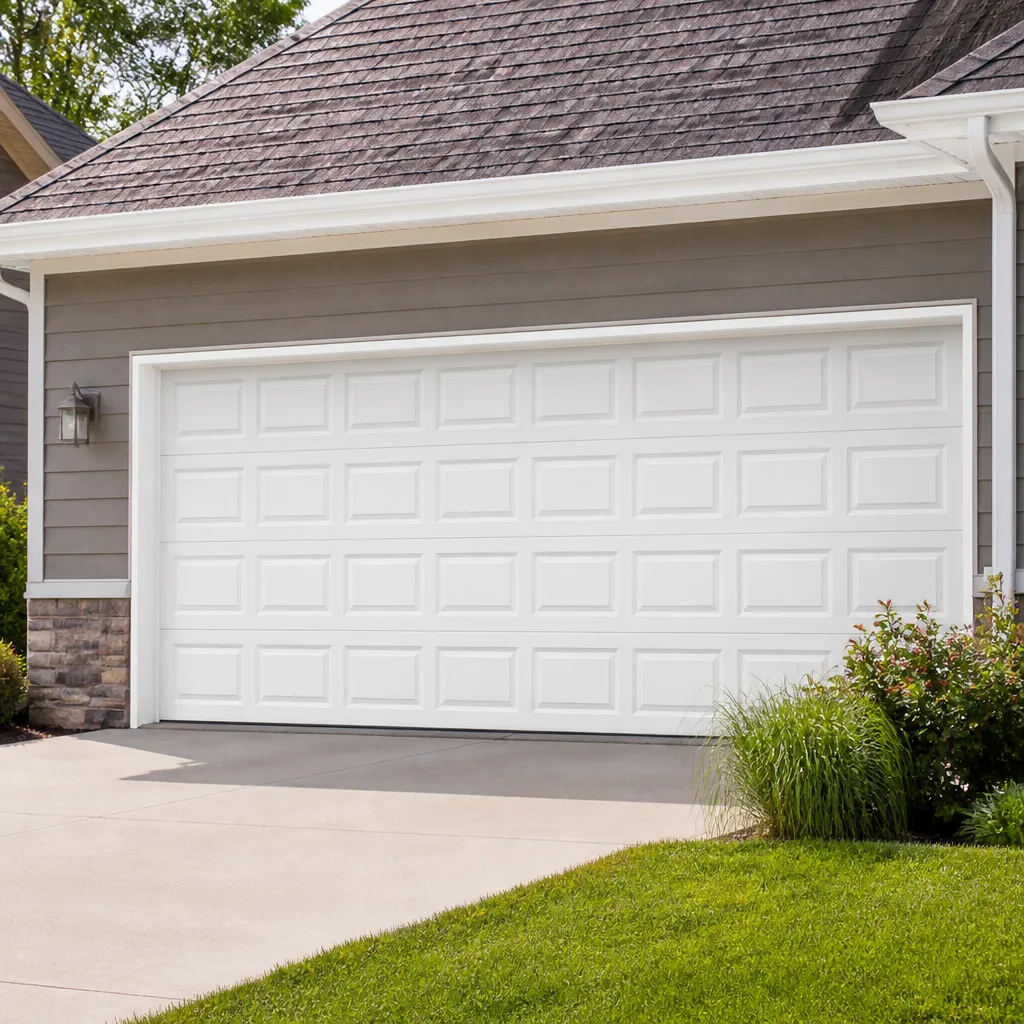 Raised-panel steel
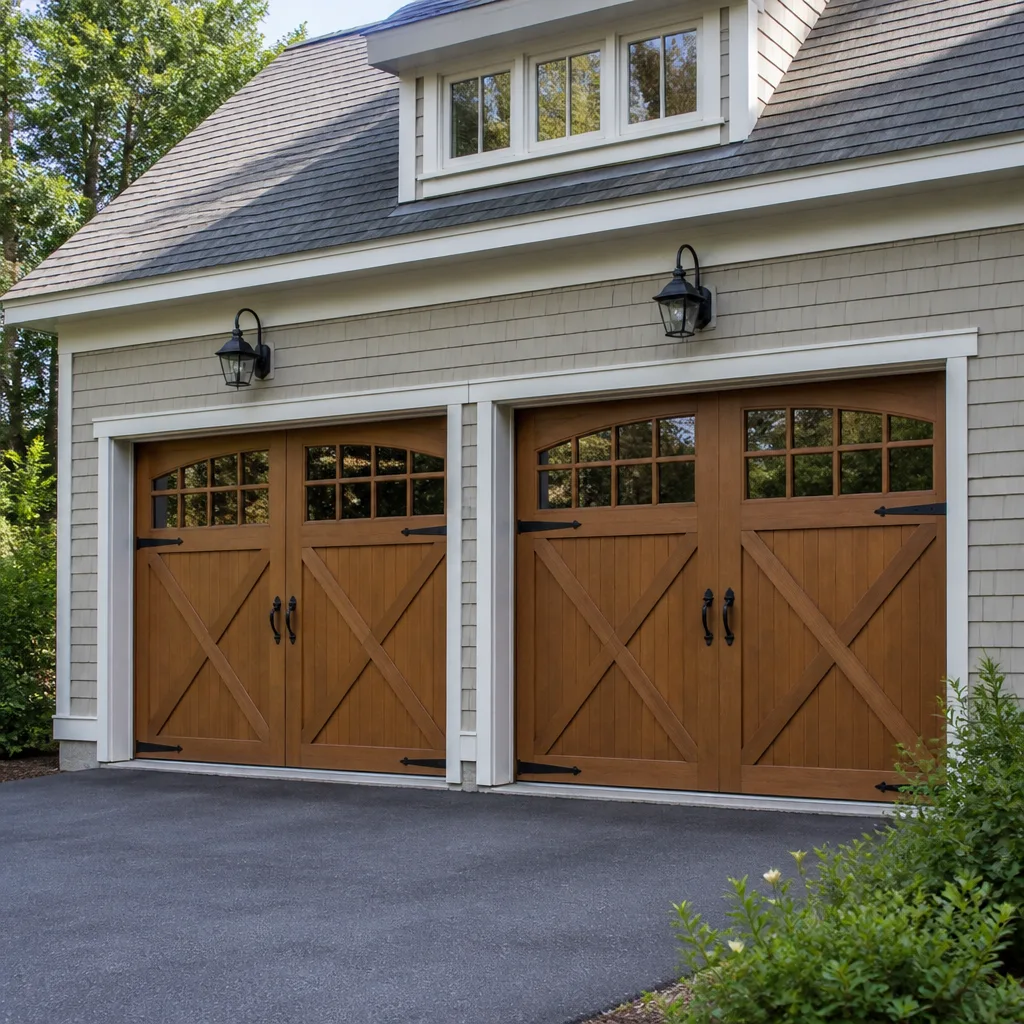 Carriage house
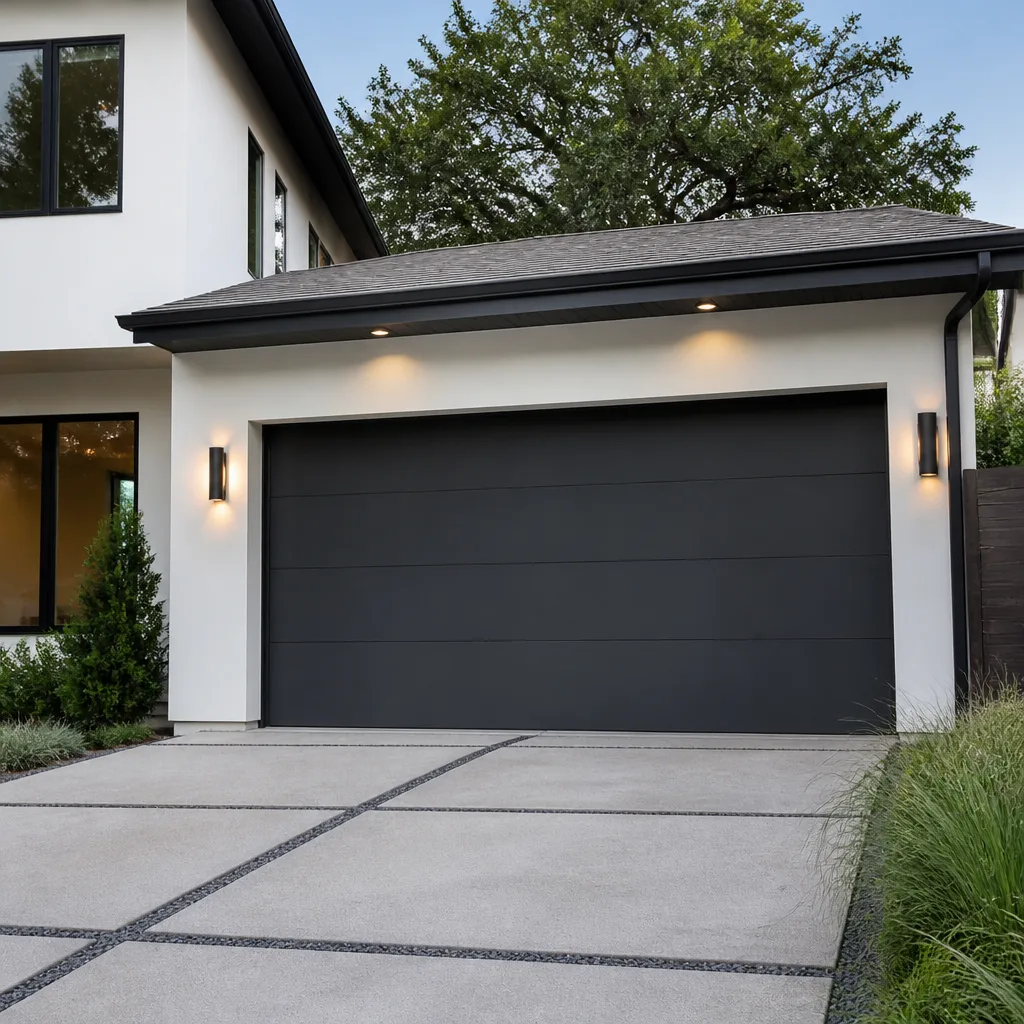 Modern flush
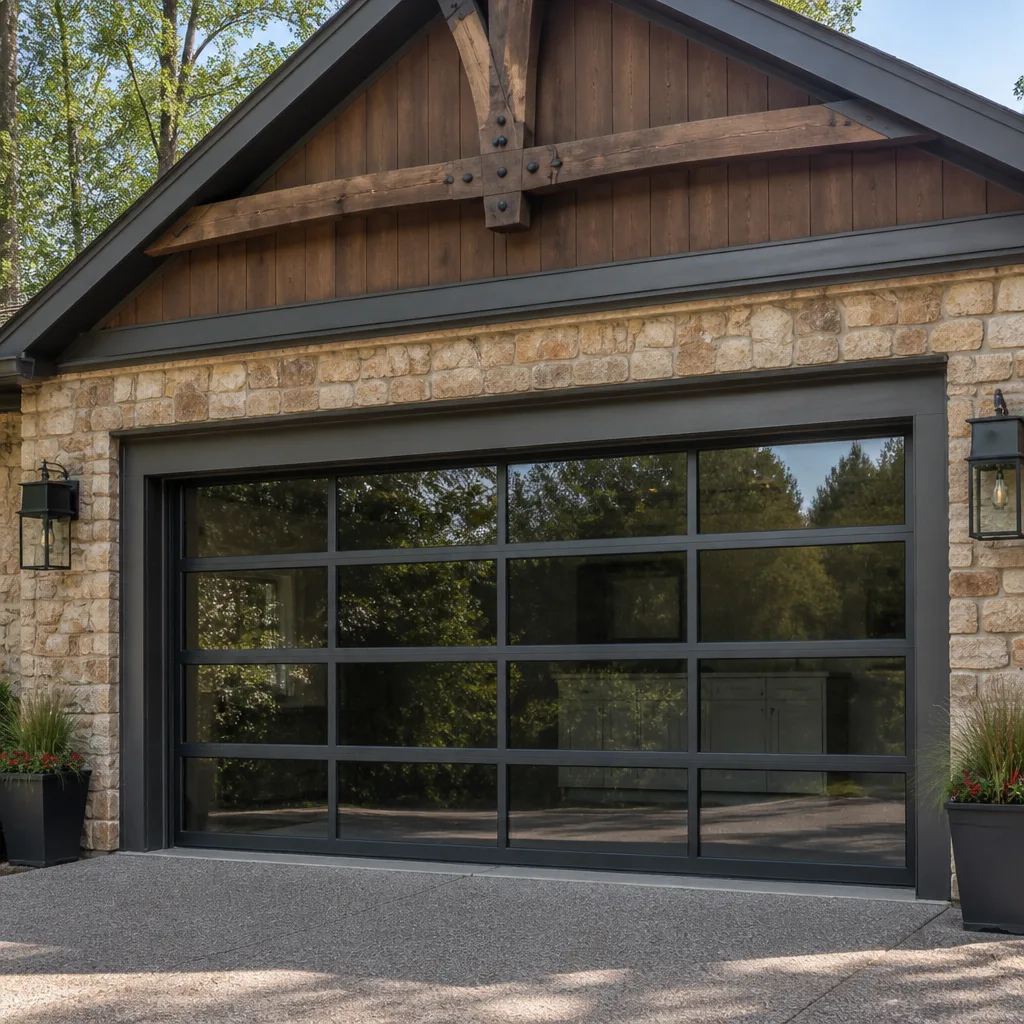 Full-view glass
 LiftMaster openers
 Chamberlain openers
Full 25-point door and opener safety check with every visit - springs, cables, rollers, tracks, and your LiftMaster or Chamberlain opener included
You get a price before we start. It does not change when the pro arrives.
Get your free estimateSeasonal Garage Door Care for Naperville: Year-Round Homeowner’s Guide
Spring is when garage door springs break most often in Naperville, and overuse isn’t the reason. Metal contracts through the cold months, cycling thousands of times at temperatures well below freezing. When March and April arrive, thermal expansion pushes fatigue-stressed components past their limit. That counterintuitive pattern is why this guide maps failures by season instead of recycling the generic “lubricate twice a year” advice written for mild climates. You’ll learn which parts are most vulnerable in each season here, what a realistic month-by-month task calendar looks like, and exactly which items should prompt a call to a specialist before a small issue becomes an expensive one.
Quick Answer
Seasonal garage door care in Naperville follows the thermal cycle, not the calendar year: springs and cables are most vulnerable in spring and fall when temperatures swing hardest, bottom seals take the worst abuse from repeated freeze-thaw cycles, and openers need force and travel adjustments as temperatures drop. A short inspection each month, plus targeted tasks in October and March, catches most failure patterns before they strand your car. Anything involving springs, cables, or the door’s balance should go to a trained technician.
Styles & brands we work with
- Raised-panel steel
- Carriage house
- Modern flush
- Full-view glass
- LiftMaster openers
- Chamberlain openers
Table of Contents
- Why spring and fall are the highest-risk seasons
- Spring tasks: thermal expansion and the balance check
- Summer humidity: wood and composite door behavior
- Fall tasks: preparing for the first freeze
- Winter tasks: seals, opener force, and auto-reverse
- The bottom seal and freeze-thaw water intrusion
- Month-by-month task index (under 20 minutes each)
- Common mistakes to avoid
Why spring and fall are the highest-risk seasons in Naperville
Most homeowners assume summer heat or winter cold is the hardest season on a garage door. In the Naperville climate, the opposite is true. The two failure peaks land in spring and fall, and both are driven by temperature change rather than temperature itself.
Steel springs, cables, hinges, and track all expand and contract with temperature. A torsion spring holds the full weight of the door under constant tension. Through a Naperville winter, that spring cycles from a cold garage into warmer daytime air and back again, sometimes across a wide range within a single day. Each cycle works the metal slightly, and fatigue accumulates where the spring was already stressed. When the warm stretch arrives in March and April, expansion adds load to a component that spent months near its limit. That’s the pattern we see most: springs snapping in spring, not in deep winter.
Fall runs the same mechanism in reverse. Metal that expanded through summer contracts as overnight temperatures drop. A door that felt perfectly balanced in August can feel noticeably heavier in October because the spring has lost some of its effective tension at the lower temperature.
What this means for your maintenance timing
The practical takeaway is that your two most valuable inspection windows are late March and early October, not the middle of summer or the dead of winter. Hinges, rollers, and the opener’s chain or belt are all affected by the same swings, though less dramatically than springs and cables. If you only do one full inspection a year, do it in late March or early October, when the door has just come through the hardest transition.
Spring tasks: thermal expansion and the balance check
Spring is the season to verify balance and listen for new sounds. The door has just come out of months of cold cycling, and the small changes that accumulated over winter surface now. Work through this list once the weather warms, ideally in late March or early April.
- Disconnect the opener and test balance by hand. Pull the release cord so the door runs on its springs alone. Lift it to about halfway and let go. A properly balanced door holds position or drifts slightly. If it drops or rises on its own, the spring tension is off, and that’s a professional adjustment.
- Listen at the start and stop. A sharp bang at the start of travel, a grinding sound, or a door that jerks are all signals of spring or roller problems. Note when the sound happens and where.
- Inspect the rollers and hinges visually. Worn nylon rollers develop flat spots. Steel rollers can seize. Both put extra strain on the opener.
- Lubricate the moving metal parts. A garage-door-rated lubricant on hinges, rollers, and the spring (if it’s an extension spring) quiets the door and slows wear. Don’t lubricate the track itself.
- Check the weather seal along the sides and top. Spring is when gaps that opened over winter become visible. A quick visual pass catches most of them.
One thing to leave alone: the torsion spring and the cables. Both are under high tension, and adjusting or removing either without the right tools and training can cause serious injury. If the balance check fails or you hear a bang, that’s the point to bring in a specialist. For tune-ups and adjustments, our garage door repair service covers the full mechanical side, including spring replacement and balance correction.
Summer humidity: what it does to wood and composite doors
Naperville summers bring stretches of high humidity, and that affects wood and composite doors far more than steel ones. Wood absorbs moisture, swells slightly, and dries out again as humidity drops. Each cycle leaves a small mark on the door’s structure and finish.
Wood doors from Clopay or Amarr, and composite doors from Wayne Dalton, all behave this way to some degree. The key question is whether the swelling is cosmetic or structural. Here’s how to tell the difference:
- Cosmetic swelling shows up as slightly tighter panel joints, minor paint bubbling along the bottom rail, or a door that feels a touch heavier in humid weeks and lighter in dry ones. It’s annoying but not dangerous.
- Compromising swelling shows up as panels that rub against each other, a door that no longer closes flush, visible warping across a panel’s width, or a bottom rail that has begun to separate. That’s when balance starts to suffer, and the opener has to work harder to lift a warped door.
If your wood door rubs in August and moves freely in October, the cause is humidity, and a balance adjustment plus attention to the door’s finish will usually solve it. If the door rubs in every season, the problem is structural.
Summer tasks to add to your list
- Walk around the door and press on panels to feel for soft spots or separation.
- Check for paint or finish failure along the bottom rail, which absorbs the most moisture.
- Run the door and listen for new rubbing sounds. If rubbing appears only in humid weather, note it and watch for the pattern to fade in fall.
- Inspect the opener’s belt or chain for slack. Summer heat can loosen a belt slightly, and the symptom is a slight lag when the door starts.
Fall tasks: preparing for the first freeze
Fall is the second high-risk season because the door is moving from warm-weather operation into cold-weather operation. The tasks that matter here are about preparing the door and the opener for what comes next.
The single most useful fall task is a full inspection of the bottom seal, which is covered in detail below. The second is a preliminary check of the opener’s force settings. Openers from LiftMaster, Chamberlain, Genie, and Craftsman all use force and travel limits that need to be reviewed as the temperature falls. A door that lifts smoothly at 60 degrees may strain at 30 degrees, and the opener’s response depends on those settings.
A 20-minute fall checklist
- Test the auto-reverse function by placing a roll of paper towels under the closing door. The door should reverse on contact. If it doesn’t, stop and call for service before using the door.
- Inspect the bottom seal along its full length for cracks, flattening, or gaps. This is the most important fall check.
- Run the door fully open and closed twice and listen for new sounds.
- Clear leaves and debris from the track and around the door’s base. Debris in the track stresses the rollers.
- Check that the door closes flush to the threshold and that the bottom seal presses uniformly.
- Look at the opener’s safety sensors (the paired lenses near the floor) and make sure they’re aligned and unobstructed.
If the door reverses on contact but the opening or closing feels sluggish on cold mornings, the opener force setting is one thing, but the underlying cause might be worn springs. Our garage door opener repair covers force and travel adjustments, sensor alignment, and opener diagnostics. A technician can tell you quickly whether the opener or the door’s mechanical balance is the real problem.
Winter tasks: seals, opener force, and auto-reverse behavior
Winter here is when small problems become visible. The bottom seal’s condition matters most because that’s where cold air and water intrude. The opener’s settings matter because the door is physically harder to lift in the cold, and the auto-reverse system’s sensitivity shifts in ways that surprise many homeowners.
Threshold seal performance below freezing
A healthy bottom seal stays flexible at cold temperatures and compresses to the threshold. A worn or stiff seal leaves a gap, and a gap lets in drafts and, worse, meltwater. On a cold morning, check by looking for daylight under the closed door and running a hand along the base to feel for drafts. Any daylight or draft means the seal has lost its ability to close the gap. Seal replacement is a straightforward repair and one worth doing before the coldest stretch.
Opener force settings for cold weather
Openers measure resistance and apply force in response. In cold temperatures, the door’s springs and hinges resist more, and the opener responds by applying more force. Some modern openers have self-adjusting systems, and some older ones need manual adjustment. The rule of thumb: if the door strains noticeably on the first cold morning of the season, have a technician review the opener’s force and travel limits. Adjusting force settings beyond the manufacturer’s range can defeat the safety reverse system, so this isn’t a “turn it up until it works” task.
Auto-reverse sensitivity in sub-zero temperatures
The auto-reverse function relies on a force sensor and, on many openers, a pressure-sensitive edge. In very cold temperatures, the door’s moving parts resist more, which can cause a properly adjusted opener to reverse when it shouldn’t, or an opener that’s over-adjusted to stop detecting a real obstruction. Test the reverse function at least once in the early winter, and again if the door starts behaving oddly. If the door reverses on its own for no apparent reason in cold weather, that’s a call-the-professional signal, not a sign to raise the force setting.
The bottom seal and freeze-thaw water intrusion
Freeze-thaw cycles break the bottom seal faster than any other force. Water collects at the door’s base, seeps into small cracks in the seal, freezes, expands, and widens the crack. Snowmelt and rain drive the cycle several times each winter. The result is a seal that looks fine after the first freeze and fails by February.
Water intrusion from a failed bottom seal doesn’t just mean a damp garage floor. It can reach the door’s bottom panel and the door’s framing, and it can leave standing water that freezes into a sheet that puts stress on the door’s lift mechanism. Fixing a seal early is far simpler than dealing with the damage later.
How to assess and address a failing seal
- Look for visible cracks and flattening. A seal that has flattened to a thin strip has lost its ability to compress.
- Check for daylight under the closed door. Get down low and look along the base. Any light means a gap.
- Feel for drafts and moisture. A damp garage floor near the door is a strong sign the seal is compromised.
- Replace before winter, not after. Seal replacement is quick and low-risk, and it’s the one significant seasonal task most homeowners can handle with a good replacement seal. If the door’s bottom panel is soft or separated, bring in a professional to assess it.
Month-by-month task index: under 20 minutes per session
Here’s the calendar, built around actual failure patterns rather than a generic schedule. Each session is meant to take 15 to 20 minutes, and each flags what needs a professional follow-up.
- March: Balance test by hand (springs), listen for new sounds, check rollers. Professional follow-up if the balance test fails or you hear a bang.
- April: Lubricate hinges, rollers, and springs where applicable. Inspect weather seals. No follow-up usually needed.
- May: Run a full open-close cycle and check the auto-reverse function. Inspect the opener’s belt or chain. Professional follow-up if auto-reverse fails.
- June: Press on wood or composite panels for soft spots or separation. Check the bottom rail finish. Professional follow-up if rubbing persists across seasons.
- July: Recheck wood door behavior in humid weather. Note any change from spring. Professional follow-up if the door rubs in all seasons.
- August: Check the opener’s force and travel setting response. Clear debris from the track. Professional follow-up if the door strains when starting.
- September: Full fall inspection. Test auto-reverse. Inspect the bottom seal along its full length. Professional follow-up if the seal is cracked or flattened.
- October: Clear leaves and debris. Check that the door closes flush. Align and check safety sensors. Professional follow-up if the door doesn’t close flush.
- November: Test the door on the first cold morning. Listen for strain. Professional follow-up if the door strains noticeably.
- December: Test auto-reverse. Recheck for daylight under the door after a thaw. Professional follow-up if the door reverses unexpectedly.
- January: Look for drafts at the base and along the sides. Check the threshold seal. Professional follow-up if the seal has lost its flexibility.
- February: Preliminary balance check before spring. Clear any ice from the door’s base. Professional follow-up if the door feels heavier than usual.
That’s the whole year. Most months involve nothing more than a quick visual pass and a listen, and two months, October and March, carry most of the real work. Our Steadfast Garage Door Repair handles the follow-up items when the calendar flags them. We’re a garage-door-only company, working across eight major brands including LiftMaster, Chamberlain, Genie, Clopay, Amarr, Wayne Dalton, Craftsman, and Raynor. That means when something needs attention, it gets diagnosed by a technician who knows that specific door and opener, not a generalist who fits garage doors in between other jobs.
Common Mistakes to Avoid
- Waiting until something breaks. The whole point of a seasonal calendar is to catch problems in the window before failure. A spring that’s inspected in March is far cheaper to deal with than one that snaps while the car is trapped inside. Skipping the October and March checks is the single most common mistake we see in Naperville.
- Adjusting the opener’s force setting until the door moves. This disables the safety reverse function and is a genuine hazard. Force and travel limits have a proper range; a technician adjusts them within that range, not past it.
- Ignoring the bottom seal until water is in the garage. The bottom seal is the first line of defense against freeze-thaw intrusion. Replacing it in fall, before the first freeze, is far easier than dealing with a wet garage floor and a damaged bottom panel in January.
- Assuming humidity-driven swelling means the door is failing. Wood and composite doors expand and contract in Naperville’s humid summers. If the problem fades in October, it’s weather-related. If it doesn’t, it’s structural and worth inspecting.
- Lubricating the track. Lubricant in the track attracts dirt and can make the door harder to run. Lubricate the hinges, rollers, and spring, not the track itself.
- Testing the auto-reverse rarely or never. Many homeowners have never tested auto-reverse. Every major opener brand, from Genie to Chamberlain, relies on that function as its core safety feature. A monthly test takes seconds.
- Doing the balance test with the door connected to the opener. The door has to be disconnected from the opener to test its natural balance accurately. Testing with the opener connected tells you nothing about the springs.
See the difference
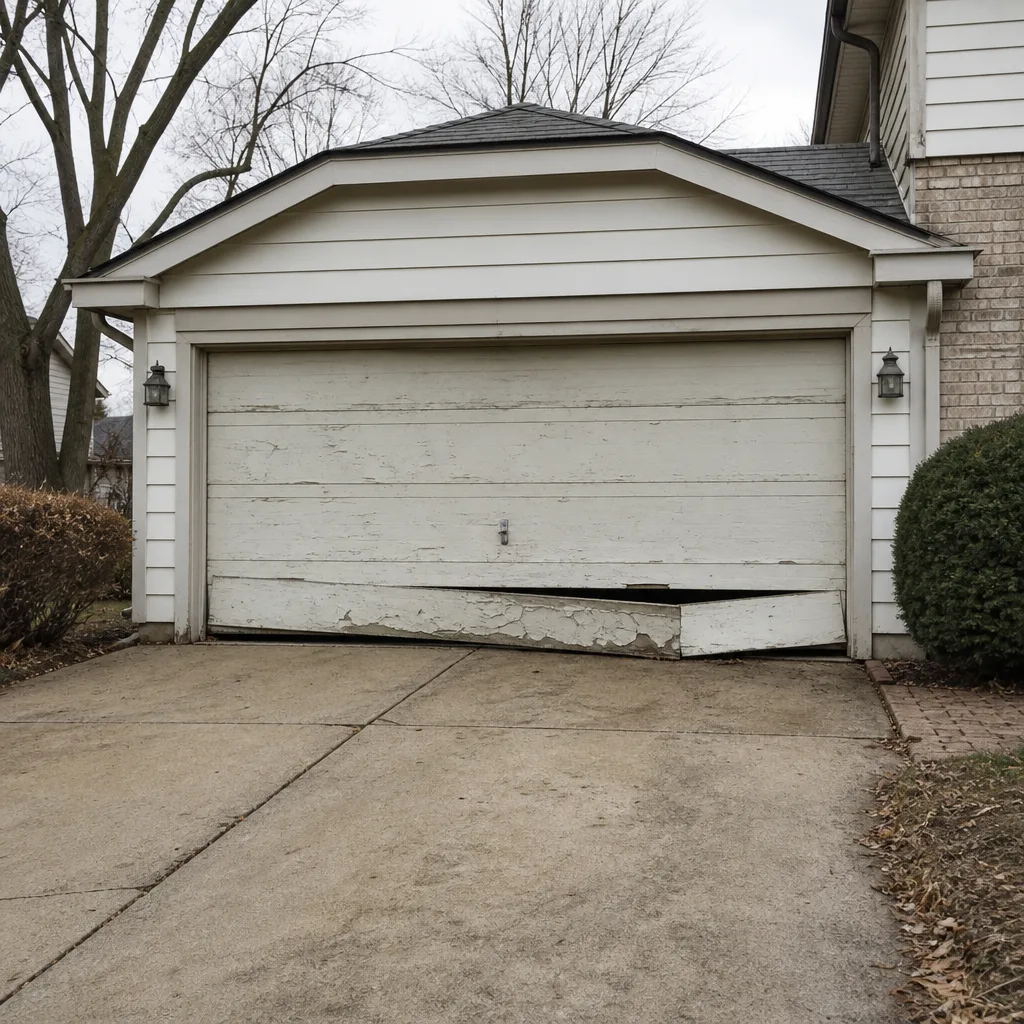 Before
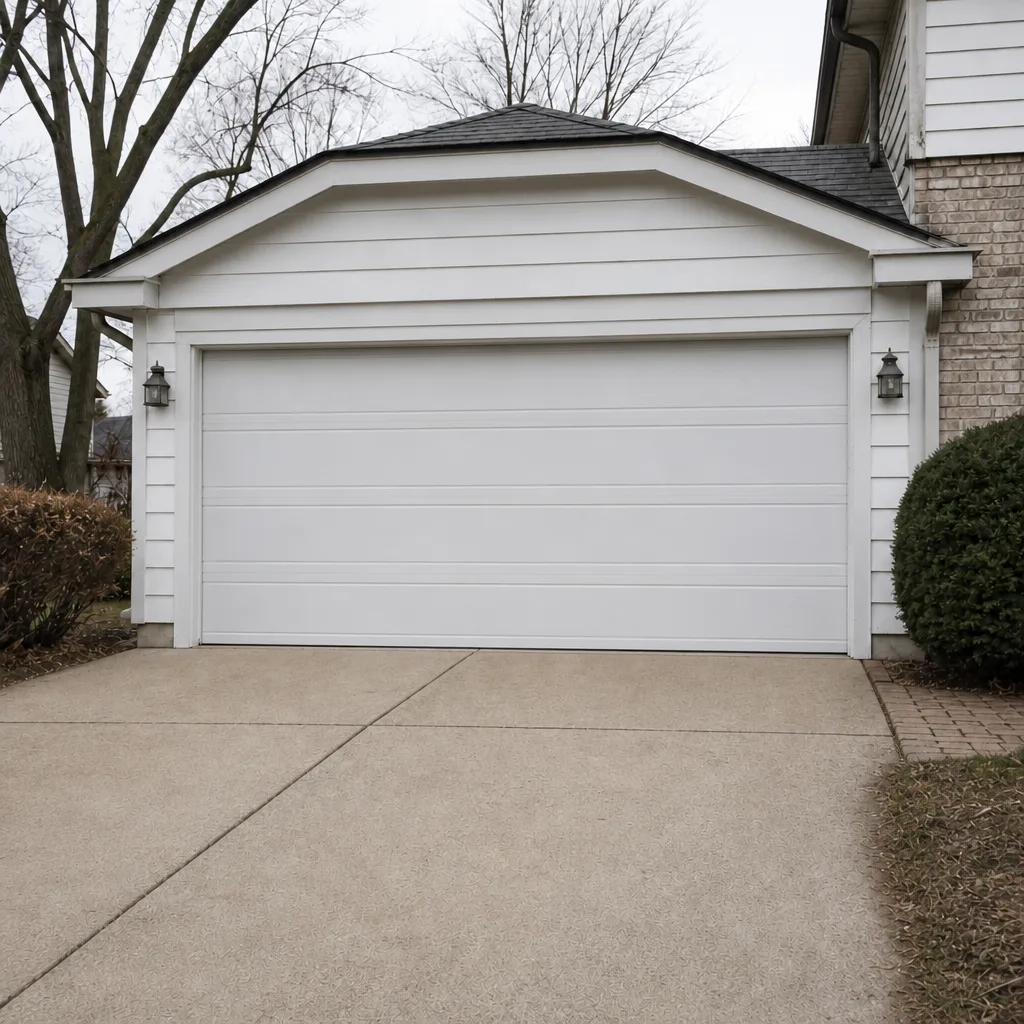 After
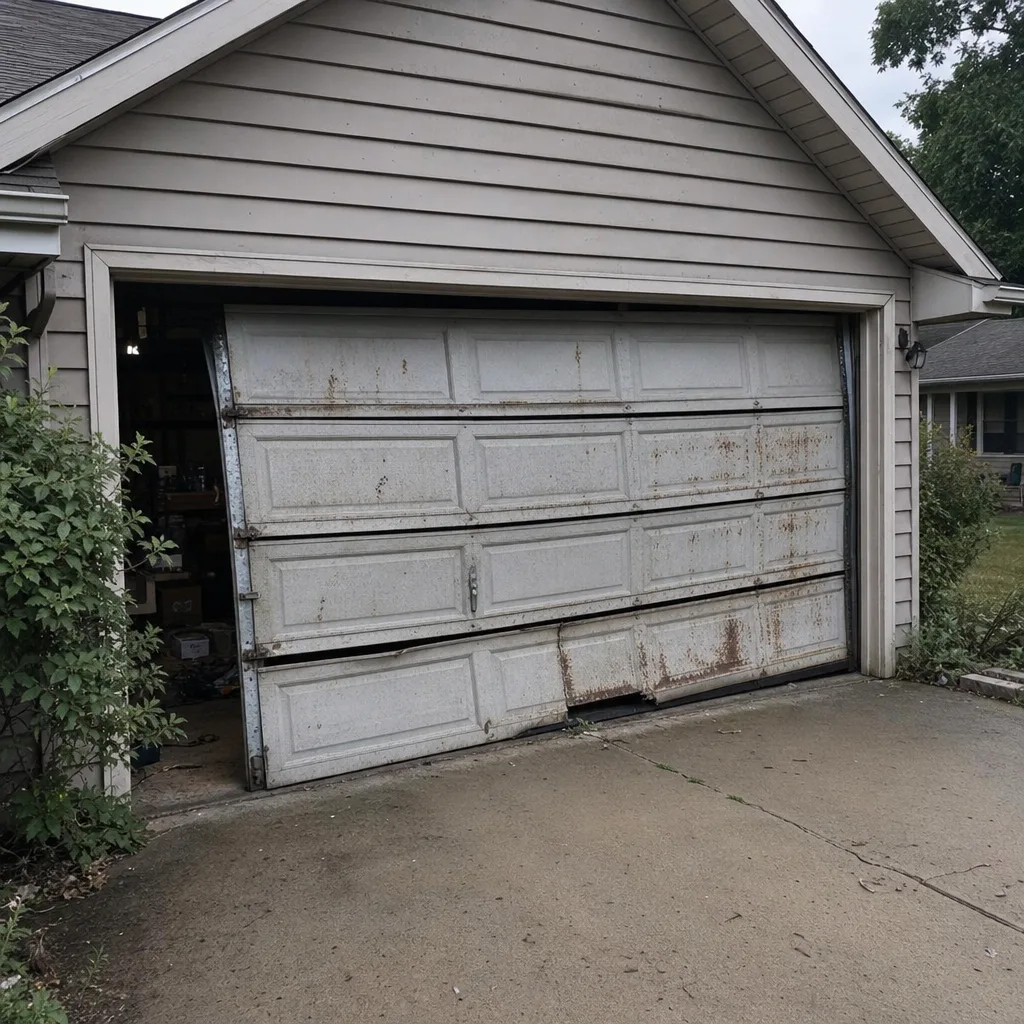 Before
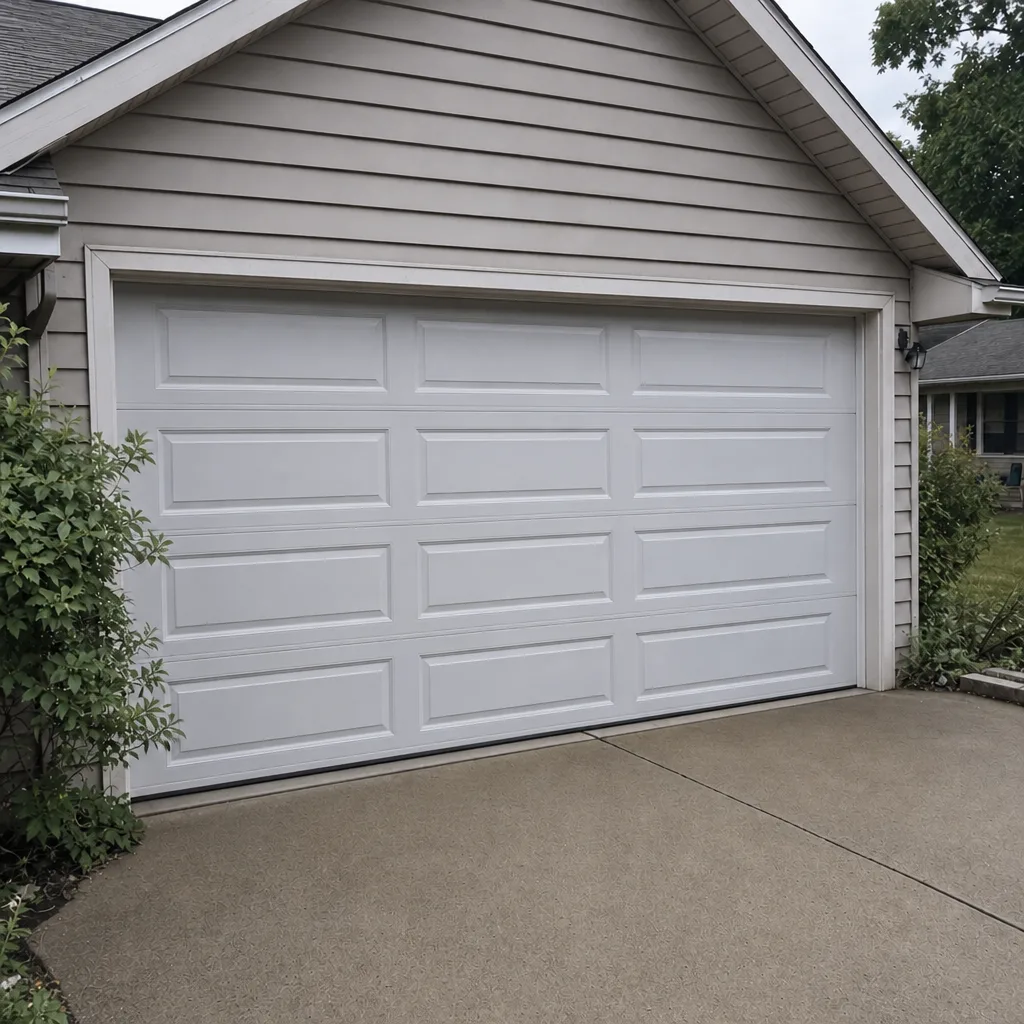 After
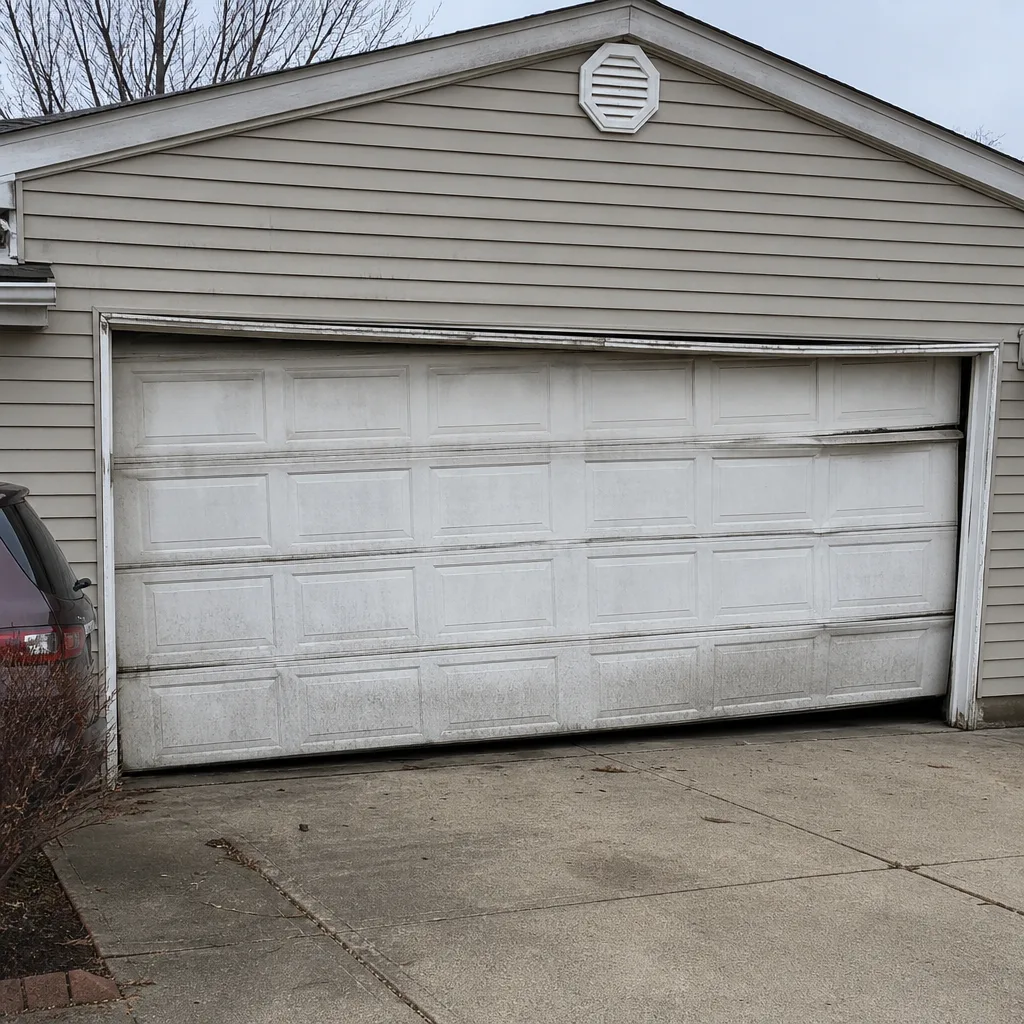 Before
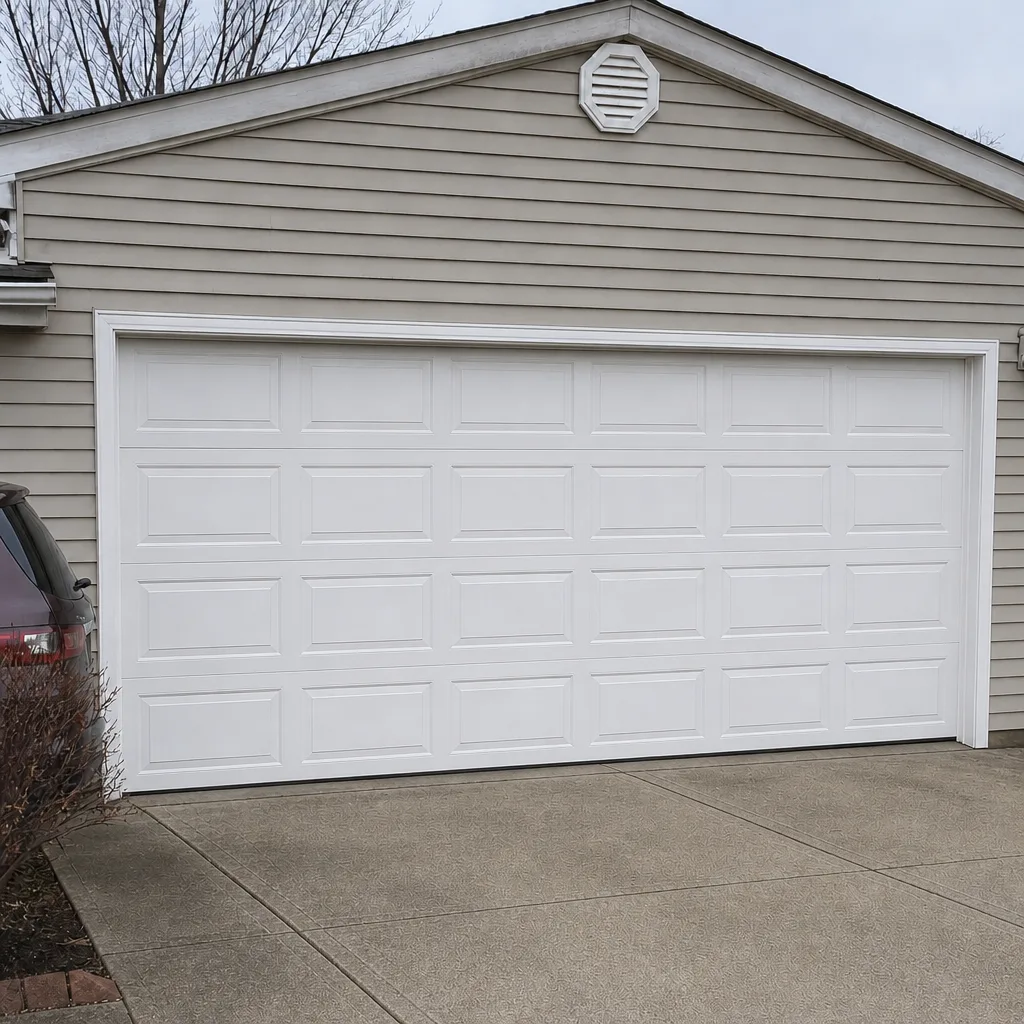 After
When to Call a Professional
Call a professional when the problem involves the spring, the cables, the door’s balance, or the opener’s safety functions. Specifically: a bang or snap from the spring assembly, a door that drops or rises on its own during the balance test, a door that won’t reverse on contact, a door that reverses on its own in cold weather, visible cable damage, or a door that no longer closes flush. Those aren’t DIY tasks, and some carry real injury risk. The threshold will vary slightly by door, but any change that appears suddenly or comes with new sounds deserves a look. Steadfast Garage Door Repair offers free estimates in Naperville. Call (833) 467-3941. We answer 24/7, with fast dispatch from 7am to 7pm, Sunday through Friday. Our technicians have up to 15 years of experience across the eight brands we service.
Frequently Asked Questions
Because the failure is driven by temperature change, not cold itself. Throughout winter the spring cycles between cold nights and warmer daytimes, and that cycling accumulates fatigue in the metal. When the warm stretch arrives in March and April, thermal expansion adds load to the already-stressed spring, and that’s often when it snaps. Call (833) 467-3941 for a free estimate on a spring replacement if you hear a bang. Estimates are free.
Once a month is the safe interval, plus whenever the weather changes sharply. The auto-reverse relies on force sensors and, on many openers, a pressure-sensitive edge, and those behave differently in cold temperatures. A test takes seconds: put a roll of paper towels under the closing door and confirm it reverses on contact. If it doesn’t reverse, stop using the door and call (833) 467-3941.
Yes, for wood and composite doors. Wood absorbs moisture and swells slightly, then dries and contracts as humidity drops. Clopay, Amarr, and Wayne Dalton all offer wood or composite doors that behave this way. The key question is whether the swelling is cosmetic or structural. Call (833) 467-3941 if the door rubs in every season. That’s a sign the problem is more than humidity.
Yes, in most cases. Bottom seal replacement is one of the few seasonal tasks a homeowner can handle without professional equipment, provided the door’s bottom panel is intact. If the bottom panel is soft, separated, or warped, that’s a professional assessment. Call (833) 467-3941 for a free estimate if you’re not sure.
Don’t raise the opener’s force setting to stop it. Reversing in cold weather usually means the door is experiencing more resistance than the opener expects, or the safety sensor is misaligned. A trained technician can diagnose it correctly within the opener’s proper adjustment range. Call (833) 467-3941. We answer 24/7, with fast dispatch from 7am to 7pm, Sunday through Friday.
Yes, and the reason is pattern, not superstition. Garage doors fail gradually: a roller that’s beginning to seize, a seal that’s beginning to crack, a spring that’s lost a measure of tension. Those changes are visible before failure, but only if you look. Our Naperville customers who follow a simple calendar usually catch problems in the inspection stage rather than the emergency stage. Call (833) 467-3941 for a free estimate on any follow-up item.
The Bottom Line
Garage door care in Naperville is a seasonal rhythm, not a list of generic tasks. Springs and cables fail in spring and fall because those are the sharpest temperature transitions. The bottom seal fails through repeated freeze-thaw cycles, and replacing it before winter is far simpler than dealing with the aftermath. Wood and composite doors swell in summer humidity and recover in fall, and if they don’t, that’s the signal to call. Openers need proper force and travel settings in cold weather, and the auto-reverse function needs regular testing. Stay with the calendar, treat the two transition months as the priority, and the rest of the year is a quick monthly look.
When the calendar flags something, or when a task involves the spring, cables, or safety settings, we’re here. Steadfast Garage Door Repair is a specialist across repair, opener service, and installation, working on the door and opener you already have rather than steering you toward a new one. Call (833) 467-3941 for a free estimate. We answer 24/7, with fast dispatch from 7am to 7pm, Sunday through Friday.
Written by the team at Steadfast Garage Door Repair.