
Last updated November 15, 2026
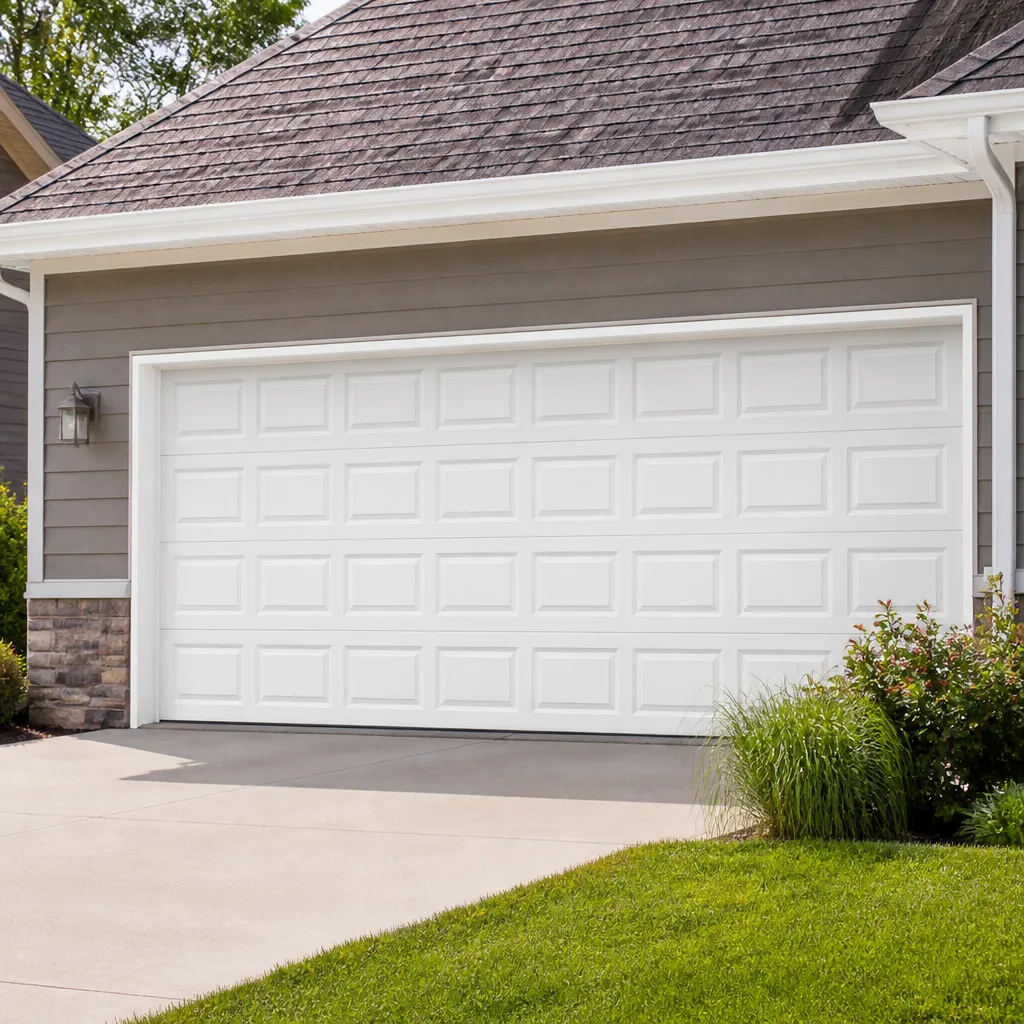 Raised-panel steel
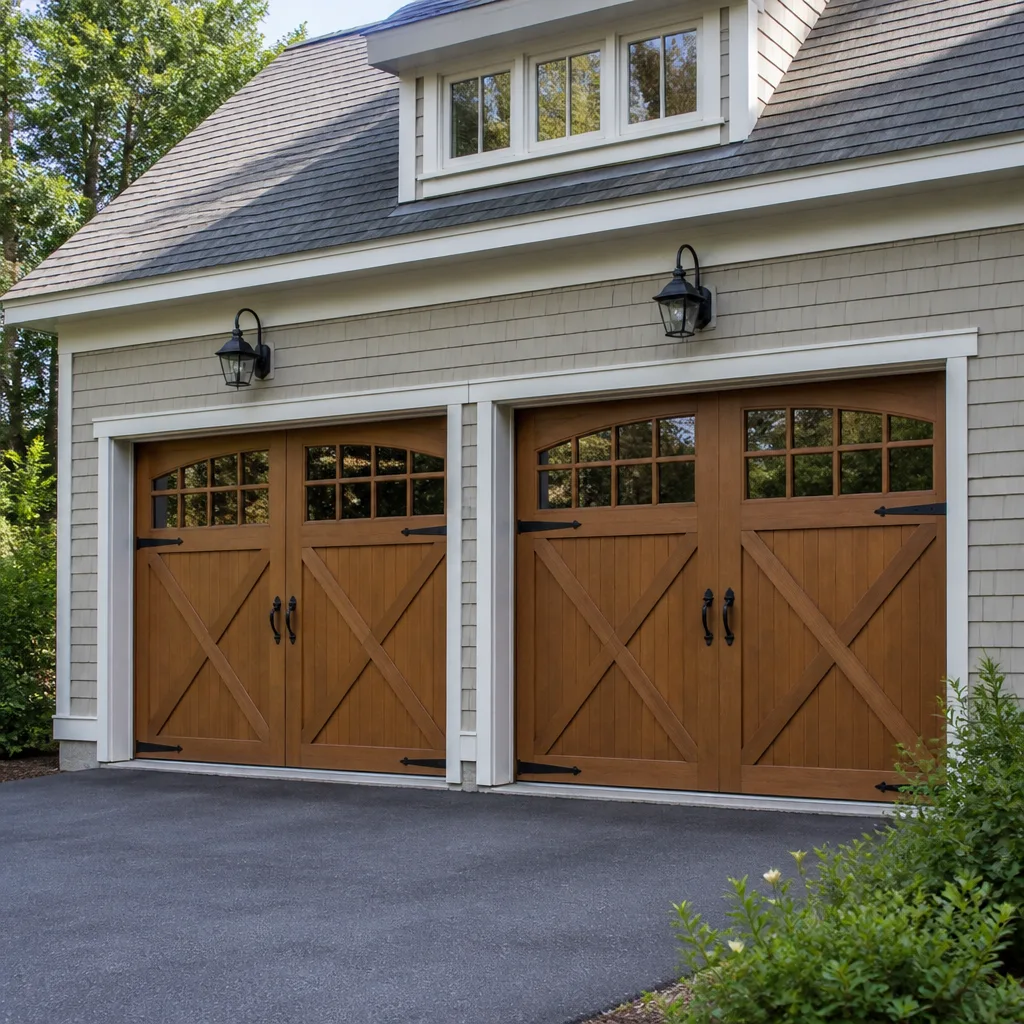 Carriage house
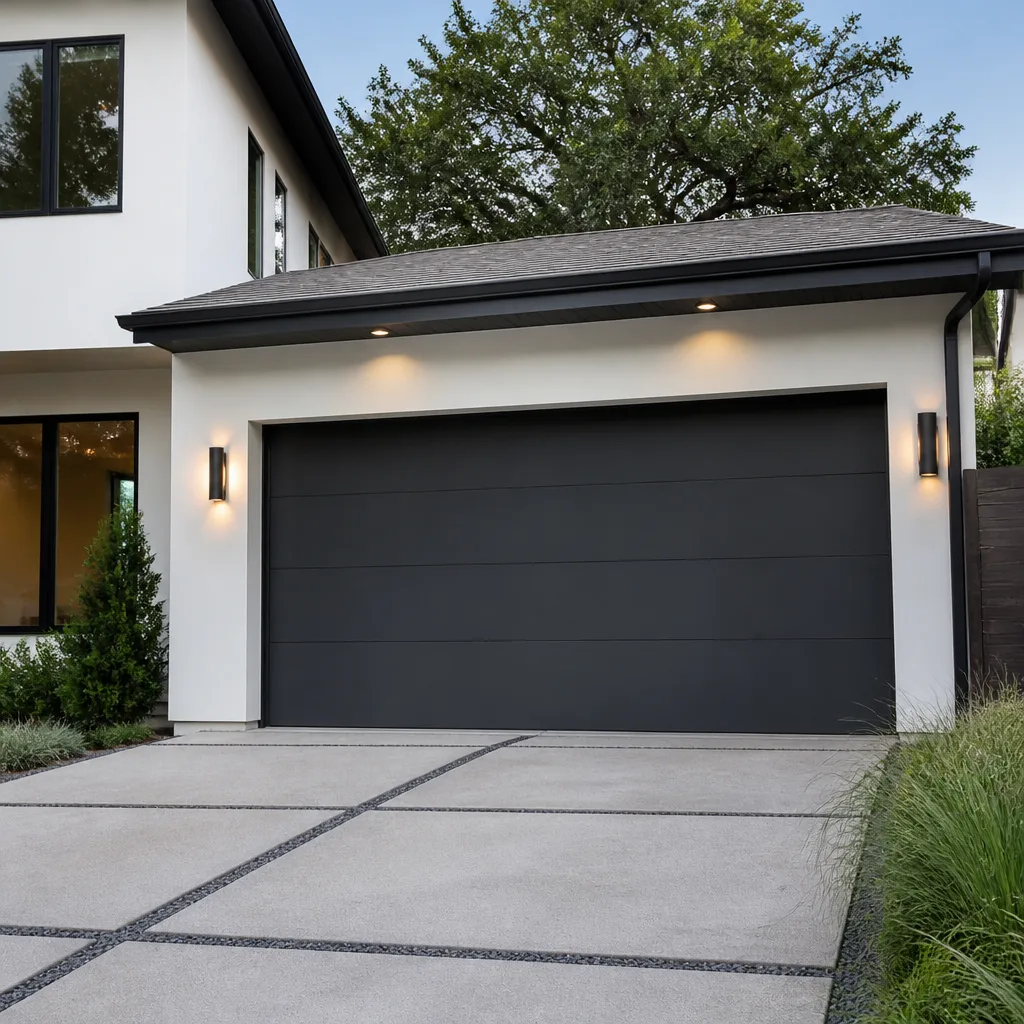 Modern flush
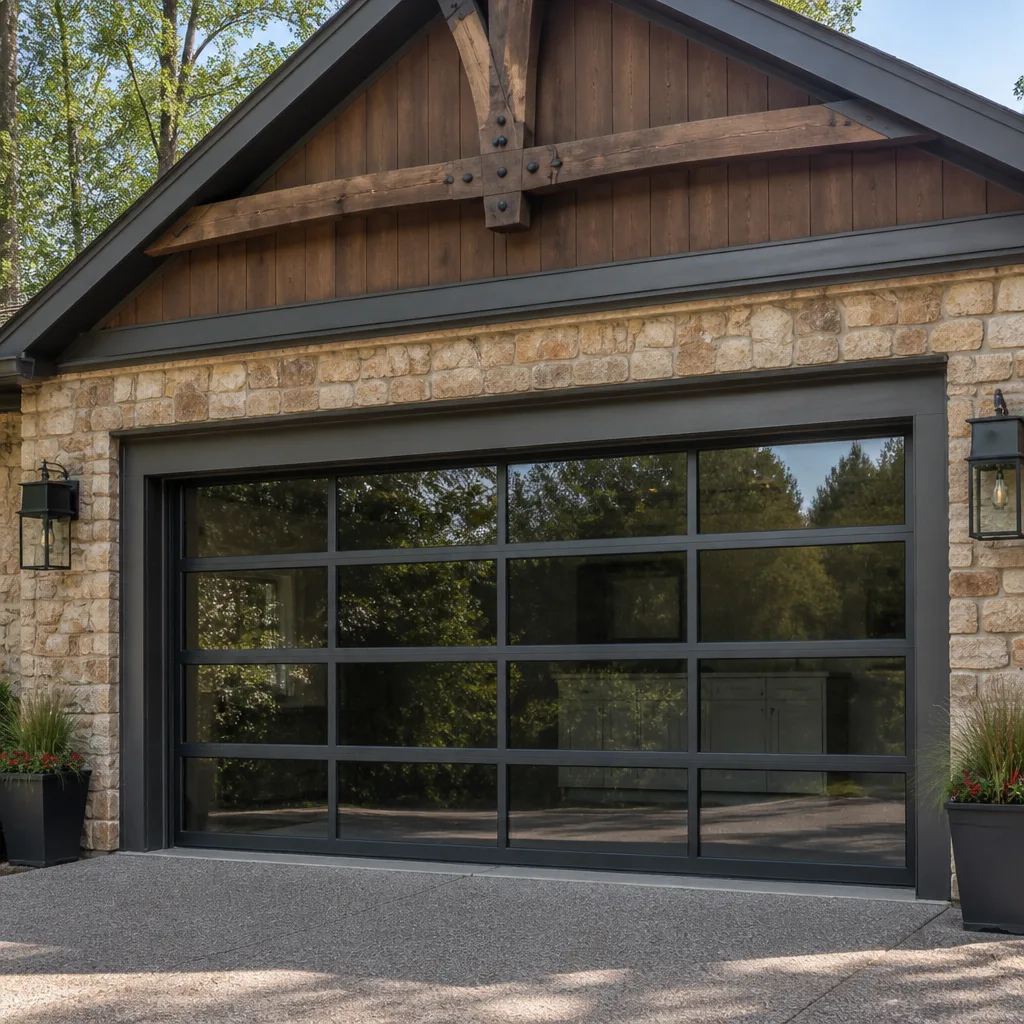 Full-view glass
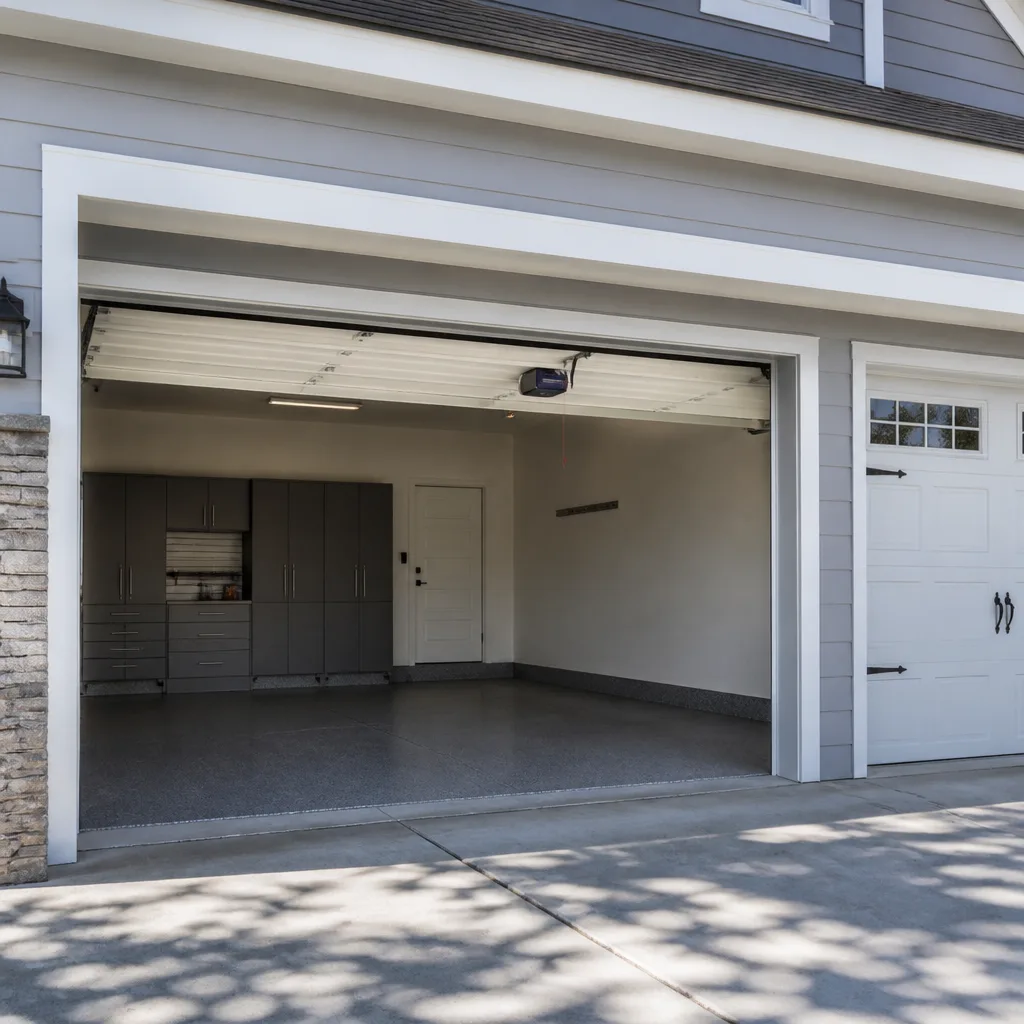 LiftMaster openers
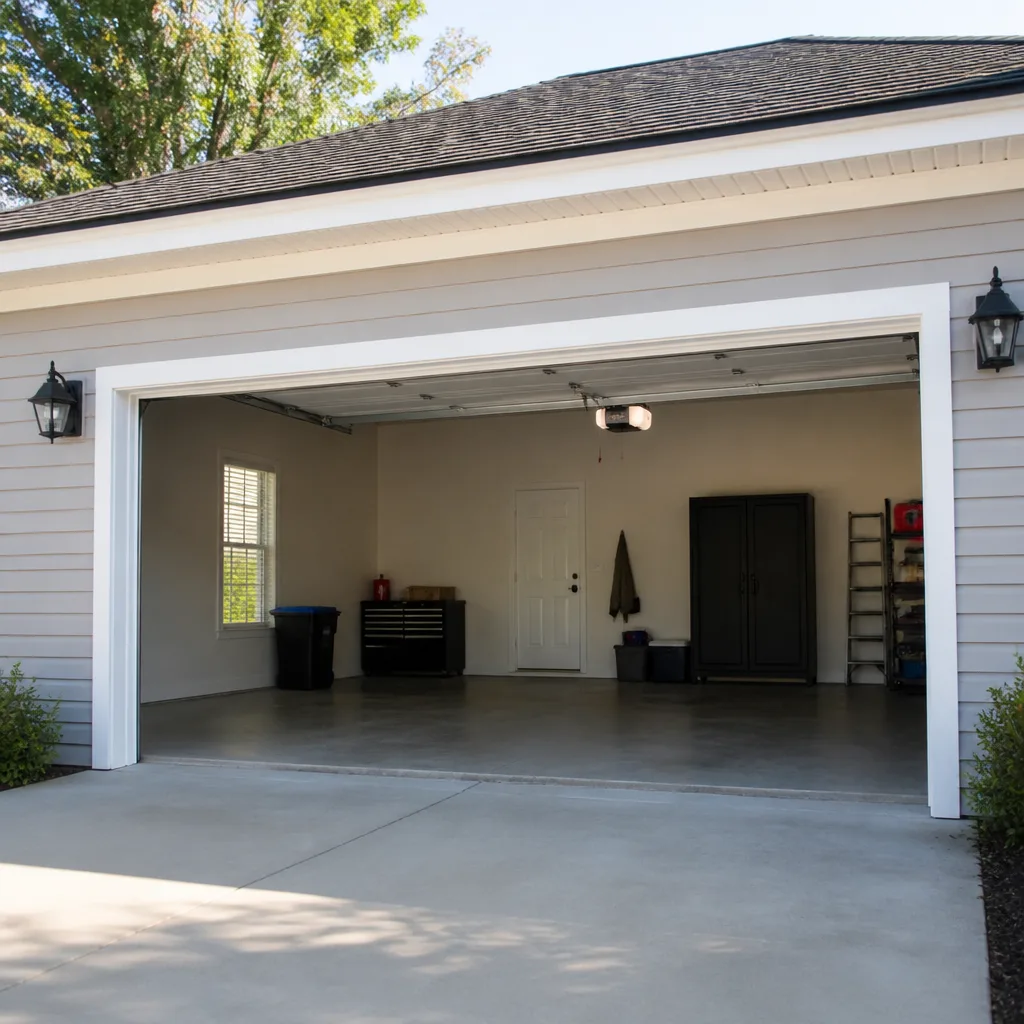 Chamberlain openers
Full 25-point door and opener safety check with every visit - springs, cables, rollers, tracks, and your LiftMaster or Chamberlain opener included
You get a price before we start. It does not change when the pro arrives.
Get your free estimateGarage Door Repair Troubleshooting in Naperville: Common Problems and How to Fix Them
A door that reverses before it closes is almost never a sensor problem. That’s the assumption most homeowners make, and it’s the one that costs the most time. The sensors sit in plain view, their little LEDs blinking, so they get blamed first. But in our experience, a door that travels partway down and then reverses is usually telling you about spring tension, a binding track, or an opener that’s losing its grip on the door’s weight. The sensors are just the easiest thing to point at. This guide teaches you to read the door as a whole system rather than chasing the symptom, so you fix the right thing the first time. We’ll map noises to parts, walk through the two tests that separate mechanical problems from opener problems, and draw a clear line between what’s safe to handle and what isn’t. Naperville homeowners deal with a specific set of conditions, and we’ll cover those too.
Quick Answer
Most garage door problems in Naperville trace back to one of five causes: worn rollers and hinges, a failing spring, misaligned tracks, an opener that’s lost its force or travel settings, or a door that’s out of balance. You can safely troubleshoot lubrication, sensor alignment, and track obstructions yourself. Anything involving spring tension, cables, or the opener’s internal gearing needs a trained technician.
Styles & brands we work with
- Raised-panel steel
- Carriage house
- Modern flush
- Full-view glass
- LiftMaster openers
- Chamberlain openers
Table of Contents
- How to Read Your Door as a System
- What Your Door’s Noise Is Telling You
- The Force Test and the Balance Test
- Naperville’s Freeze-Thaw Cycle: What’s Seasonal and What’s Not
- The DIY Line: What You Can Fix and What You Can’t
- How to Describe the Problem Before You Call
- Opener Problem or Door Problem? How to Tell
- Brand Coverage: Why It Matters for Diagnosis
How to Read Your Door as a System
A garage door is a balancing act. The springs carry most of the door’s weight, the opener handles the rest, and the tracks, rollers, and hinges keep everything moving in a straight line. When one part starts to fail, the others compensate, and that compensation is what you hear and feel. A grinding sound might come from a roller that’s flat-spotted, but the flat spot developed because a hinge was binding. Fix the hinge alone and the grinding returns in a month. Fix the hinge and replace the roller and the door runs quiet again.
Think of it this way: the symptom travels through the system. A weak spring makes the opener work harder. An opener working harder strains the gear and rail. A strained rail pulls the door slightly off-center. An off-center door wears the rollers unevenly. By the time the noise reaches your ears, three or four components may have moved out of alignment from where they started.
This is why diagnosing by sound alone is unreliable. Two doors can make the same squeal and need completely different repairs. In Naperville, where temperature swings are significant, the same door can behave differently in February than it does in May. Metal contracts in cold, lubricant thickens, and clearances tighten. A door that runs smoothly in summer can sound like it’s falling apart on a 15-degree morning and then go quiet again by afternoon.
What matters is noting when the problem shows up and whether it’s consistent. A noise that only appears on cold mornings points at lubrication and contraction. A noise that never goes away points at a specific worn part. We work on what you already have, whether that’s a Raynor from the original build or a LiftMaster opener that’s been humming along for a decade, and the first step in any repair is reading the system rather than the symptom.
What Your Door’s Noise Is Telling You
Noise is the most useful diagnostic tool you have, and most people gloss over it. The type of sound points to the component. Listen carefully on a quiet morning with the door disconnected from daily use – no kids, no car running, just you and the door.
Grinding
A low grind usually means a roller with a flat spot or a bearing that’s dried out. It can also come from a torsion spring that’s rubbing against its center bracket. If the grind is steady and rises in pitch as the door rises, suspect the rollers first. If it’s intermittent and loudest at one point in the travel, suspect the spring or a worn hinge at a specific panel.
Squealing
High-pitched squealing is almost always friction. Hinges, rollers, and the torsion bar are the usual suspects, and a proper lubrication with a garage-door-specific lithium or silicone spray often quiets it. If squealing returns within a week or two of lubricating, the part isn’t just dry – it’s wearing out and the lubricant is masking the real problem temporarily.
Popping
A sharp pop, especially if it happens once and the door then stops working, is the classic signature of a broken torsion spring. A pop that repeats through the travel can mean a cable jumping its drum or a hinge that’s snapped a leaf. Both are stop-now situations. Don’t run the opener again until someone qualified looks at it.
Rattling and Banging
A rattle you can feel more than hear usually comes from loose bolts on the hinges or the track brackets. Banging at the end of travel means the door is slamming into its limit and the opener’s travel limits need adjusting, or a stop bolt has loosened. On a Clopay or Amarr sectional door, loose panel hardware is a common source of rattle after a few seasons of expansion and contraction.
Silence, Followed by a Hum
If you press the button and hear only the opener motor humming while nothing moves, the opener’s gear is stripped, the door is locked, or the trolley has disconnected. Check the manual lock first, then look at the trolley. If both are fine, the opener itself is the problem, and that’s a garage door opener repair rather than a door repair. Two different trades in some shops; one call for us.
The Force Test and the Balance Test
These two tests are the ones most guides skip, and they’re the fastest way to sort a door problem from an opener problem. Do them with the door closed and the opener disconnected using the manual release cord, which hangs near the trolley. Pull the cord so the door is free from the opener, then:
- Lift the door about halfway. Let go slowly.
- A balanced door holds in place with barely any drift, or drifts very slowly in either direction.
- A door that slides down on its own has springs that are too loose or broken. A door that wants to fly up has springs that are too tight or cables out of adjustment.
- Now push the door up the rest of the way and down again. It should move with roughly the same effort in both directions.
That’s the balance test. It tells you whether the spring system is doing its job. If the door fails the balance test, the problem is mechanical – the opener is fine but the door is out of trim.
The force test checks whether the door opens and closes with even resistance. With the door still disconnected, raise and lower it by hand while feeling for a spot where it binds or grabs. Most doors should feel identical through their whole travel. A bind at one point – usually where a track is bent or a roller has jumped – means the opener has been straining to push through that bind for who knows how long, which is why openers fail when the door is out of adjustment. Replace the opener without fixing the bind and the new one fails too.
If the door passes both tests and still acts up when connected to the opener, the fault is in the opener: its gear, its travel limits, its force settings, or its sensors. That changes who you call and what you expect. In our experience, forcing a door through the force test is exactly how homeowners end up replacing a good opener while a $40 part was the real culprit.
Naperville’s Freeze-Thaw Cycle: What’s Seasonal and What’s Not
Naperville’s weather does more to garage doors than most people realize. The town gets the full swing of Illinois seasons – freezing overnight lows in winter that warm up well above freezing by afternoon on a sunny day, then back down again. That cycle is hard on the door. Metal expands and contracts, lubricants thicken in the cold and thin out in the warmth, and the concrete floor at the threshold heaves and settles slightly each season.
Some problems are seasonal and largely self-correcting. Others are quietly getting worse while you wait.
Seasonal, usually self-correcting
- A door that runs slower on cold mornings. Grease and the opener’s internal gearing are stiffer in cold. Once the door warms up, it runs normally.
- A slight gap at the bottom during a cold snap. The bottom weather seal hardens, and the threshold can frost-heave by a small amount. It closes up when temperatures moderate.
- Grumbling or squealing that appears below freezing and vanishes by afternoon. Lubricant is thick; when it’s cold, it doesn’t reach the parts. A proper winter lubricant helps, but the symptom itself isn’t a failure.
Not seasonal – accelerates if left alone
- Grinding that’s consistent, regardless of temperature. A worn roller or bearing keeps getting worse. A flat-spotted roller becomes an oval roller, then a seized roller, and then it eats the track.
- Spring sag or creaking that only happens in the cold. A spring on the edge of failure feels worse in cold and can be completely normal by spring, which is dangerous – it’s the season change masking a part that’s already near the end of its life.
- A door that reverses before closing more often in winter. Cold contracts the metal and can change the door’s apparent weight, which the opener misreads as an obstruction. The automatic reversal safety feature triggers sooner than it should. If it only reverses in the cold and every other time is fine, it’s a force-setting adjustment. If it reverses year-round, the springs are the suspect.
- Moisture-driven rust at the bottom panel. Naperville’s snowmelt and rain pool at the threshold. Bottom panels on a steel door rust from the inside out. Rust that’s visible on the outside means the panel is already compromised.
Here’s the practical takeaway: if a symptom appears every cold snap like clockwork and disappears completely in warm weather, it’s seasonal. If it appears more often than not, or if it’s grown in frequency across a few winters, it’s a failing part. When we look at Naperville doors in midwinter, the ones that stopped working usually had a real mechanical problem that the last two cold snaps had been hinting at.
The DIY Line: What You Can Fix and What You Can’t
We’re not going to tell you to call a professional for every squeak. That’s not useful. But the line isn’t drawn where most homeowners draw it. It’s not “easy vs. hard.” It’s “safe for an untrained hand vs. physically dangerous.”
On the safe side:
- Lubricating hinges, rollers, and the torsion bar. A garage-door-specific lubricant, applied a couple of times a year, is fair game. Use a product made for the job – WD-40 is a cleaner, not a lubricant, and it will attract dust.
- Aligning the safety sensors. The two sensors at the bottom of the track each have an LED. If one is dark or blinking, check that it’s pointed at its partner and that nothing – a broom handle, a recycling bin, a stray leaf bag – is blocking the beam. Loosen the wing nut, adjust, and tighten.
- Clearing debris from the track. A pebble or a chunk of driveway grit in the track will make the door bind at one point. Sweep it out.
- Tightening loose bolts on hinges and track brackets. A socket wrench and five minutes. If a bolt is stripped and won’t hold, that’s a track alignment problem and time to call.
- Replacing the opener’s remote battery and reprogramming a remote. The manual covers it. Any Chamberlain or Genie opener’s pairing sequence is a two-minute job.
On the don’t-do-this-yourself side:
- Anything involving the torsion spring. A torsion spring on a residential door is under hundreds of pounds of stored tension. It stores that force even when the door is closed and the spring appears slack. The winding bars that hold it need to be inserted into the collar and turned with enormous care, and if a bar slips or a set screw lets go, it can convert a quiet repair into a serious injury. This isn’t liability boilerplate; it’s a genuinely dangerous part of the trade, and even experienced technicians treat it with respect.
- Cables and drums. The cables carry the spring’s tension to the door. They’re under load any time the spring is wound. A cable that slips off a drum can whip with enough force to cause serious harm.
- Adjusting the opener’s force or travel limits past the manual’s range. The manual says do not adjust beyond the specified setting for a reason. Over-cranking the force to make a door close that shouldn’t close is how doors come off their tracks.
- Removing the door panels to replace a hinge on a heavy door. On a two-car garage door, a panel is heavy and awkward. Brackets that hold it in place release under tension. This is a two-person job with a specific sequence even for trained hands.
If you’re unsure which side of the line a problem falls on, that’s the answer: it’s the side that needs a technician. The cheap garage door repair is the one that fixes the right problem once, without a second injury along the way.
How to Describe the Problem Before You Call
The best thing you can do for a fast, accurate diagnosis is to describe the problem in mechanical terms, not emotional ones. “It’s broken” gives the technician nothing to work with. “It goes up about a foot, stops, and the opener clicks twice before giving up” tells them almost exactly what to bring. We’ve found a handful of well-chosen details can turn a diagnostic call into a five-minute conversation.
Before you call, walk out to the door and gather five things:
- The brand and model of the door and opener. A sticker on the opener housing and a sticker on the door panel usually carry both. If you can read them, photograph them.
- What the door does – specifically. Does it move at all? How far? Does it reverse? Does it stop? Does it slam? Does the opener hum without moving? Write one clear sentence.
- When it started. Was it after a power outage? A cold night? A loud pop? A car backing into the door? The trigger often points to the cause.
- What it sounds like now. Use the noise map above: grinding, squealing, popping, rattling, or silent. Note whether the noise is constant or only at certain points in travel.
- What you’ve already tried. If you lubricated the rollers or pushed the sensors around, say so. Don’t let a technician redo work you’ve already done.
Two things save you time at the door with a technician: photographing the model stickers and being able to describe the moment the problem started. Those details are what let us tell you on the phone whether it’s a same-day repair, whether you need an opener specialist, or whether it’s likely a replacement conversation – before anyone gets in a truck.
Opener Problem or Door Problem? How to Tell
The single biggest diagnostic fork in garage door troubleshooting is deciding whether the fault is in the opener or in the door itself. It matters because the repair is different, the parts are different, and the brand knowledge required is different. Here’s the short version: if the door is free and easy to move by hand and the opener still fails, it’s an opener problem. If the door is heavy, binds, or won’t stay up when disconnected, it’s a door problem – and the opener is just the first thing to notice because it’s the noisiest.
That sounds simple, but the door is often only slightly out of balance, enough that the homeowner doesn’t notice when lifting by hand but enough that the opener has been fighting it for months. The opener’s force limits are set generously enough at the factory that a lightly binding door still opens – until it doesn’t. That’s why an opener suddenly “dies” when nothing obviously happened to it. It didn’t die. It finally gave out after years of compensating for a door that needed adjustment.
The opener side of the equation includes:
- The motor or gear train (humming without movement is the classic sign).
- The logic board (unresponsive to remotes, no light, no sound).
- The safety sensors and their wiring (reverses when it shouldn’t, or won’t close at all).
- The travel limits (stops short of the floor, or runs past it).
- The force settings (reverses during close only on colder days, or on heavier doors).
- The remote, wall button, or smartphone module (works from one control but not the other).
The door side includes:
- Springs (broken, weak, or out of balance).
- Cables (frayed, jumped off the drum, or out of adjustment).
- Rollers, hinges, and bearings (worn, seized, or bent).
- Tracks (bent, misaligned, loose at the brackets).
- Panels (dented, cracked, or rusted at the bottom).
- Weather sealing and the bottom threshold (gaps, ice, worn rubber).
Our technicians carry both tool kits, know the LiftMaster and Chamberlain logic boards well enough to diagnose a reversed limit in a phone call, and treat a Genie chain drive with the same familiarity. That single-trade focus is why we can draw this fork clearly. A generalist who also works on decks and drywall is guess-testing the same fork you are.
Brand Coverage: Why It Matters for Diagnosis
Your door and your opener aren’t interchangeable with any other door or opener. A Raynor torsion spring setup is wound differently than a Clopay’s. A Genie opener’s travel-limit programming is set by a screwdriver, not a menu. A Chamberlain’s MyQ module needs its own sequence. The more brands a technician works on, the faster they recognize your equipment instead of treating it as a generic door.
Steadfast Garage Door Repair services eight of the industry’s dominant brands – LiftMaster, Chamberlain, Genie, Clopay, Amarr, Wayne Dalton, Craftsman, and Raynor – which covers almost every door and opener you’ll find on a Naperville home. That roster is the practical backbone of every diagnostic conversation. When a homeowner calls and says the door is a Wayne Dalton with a Genie opener, we know what the door’s panel construction and hardware looks like and where that specific opener tends to fail. No “let me check if we service those.” No referral to a single-brand shop that specializes in someone else’s equipment.
Brand-agnostic expertise changes the diagnosis too. A technician paid by one brand has an incentive to find that brand’s parts the answer. A specialist who works on all of them defaults to the cheapest, most reliable fix for what you actually own. More than one misdiagnosed door we’ve seen came from a technician recommending a new opener when the problem was a stretched spring on a door that had nothing to do with the brand on the box.
If you’re not sure what you have, photograph the model stickers on the opener and the door, and we’ll confirm the equipment before we ever schedule a visit. That’s one of the small things that turns a diagnosis call into a specific, useful conversation.
Common Mistakes to Avoid
- Blaming the sensors first. When a door reverses before closing, most homeowners assume the sensors are blocked. Nine times out of ten, it’s a margin between spring tension and force limits – and the sensors are easy to blame because they have lights on them. Test the sensors by cleaning them first, but don’t stop there.
- Over-lubricating everything in sight. WD-40 sprayed on the tracks will attract dust and grit and make the door bind worse, not better. Garage-door-specific lubricant on hinges, rollers, and springs is the right call; the tracks themselves should be wiped clean and dry.
- Force-adjusting the opener to compensate for a hard-closing door. Cranking up the closing force pushes the door past a safety reversal that exists for a reason. It’s how a slow-closing door becomes a door that closes on a pet, a toy, or an arm.
- Running the door again after a loud pop. If a torsion spring breaks while the door is closed, running the opener can snap cables or pull the door off its track. Stop and call. The door is still safe as long as you don’t trigger the opener.
- Assuming a stiff door in January means the door needs replacement. Cold weather makes stiff doors stiffer, and plenty of “failing” doors run perfectly once a seasonal adjustment is made. Naperville’s cold snaps are not a diagnosis.
- Hiring a general handyman for a spring or cable job. It’s not a competence question; it’s a tooling and safety question. Generalists don’t carry the winding bars, the door-handling tools, or the balance tester. When a generalist takes the job, they learn on your door – and sometimes on your tension.
- Replacing the opener when the door is out of balance. The new opener inherits the same bind the old one wore out on. If the door fails the balance test, fix the door before you consider a replacement.
See the difference
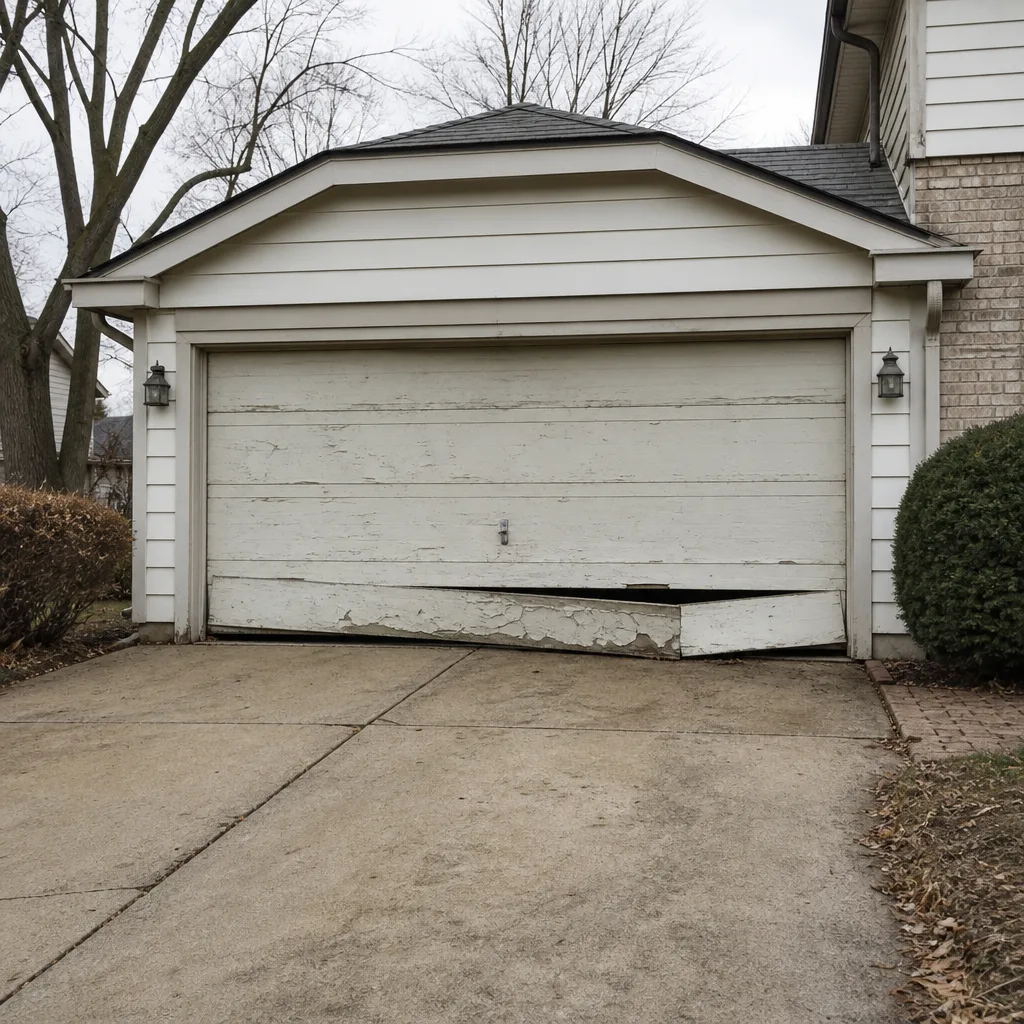 Before
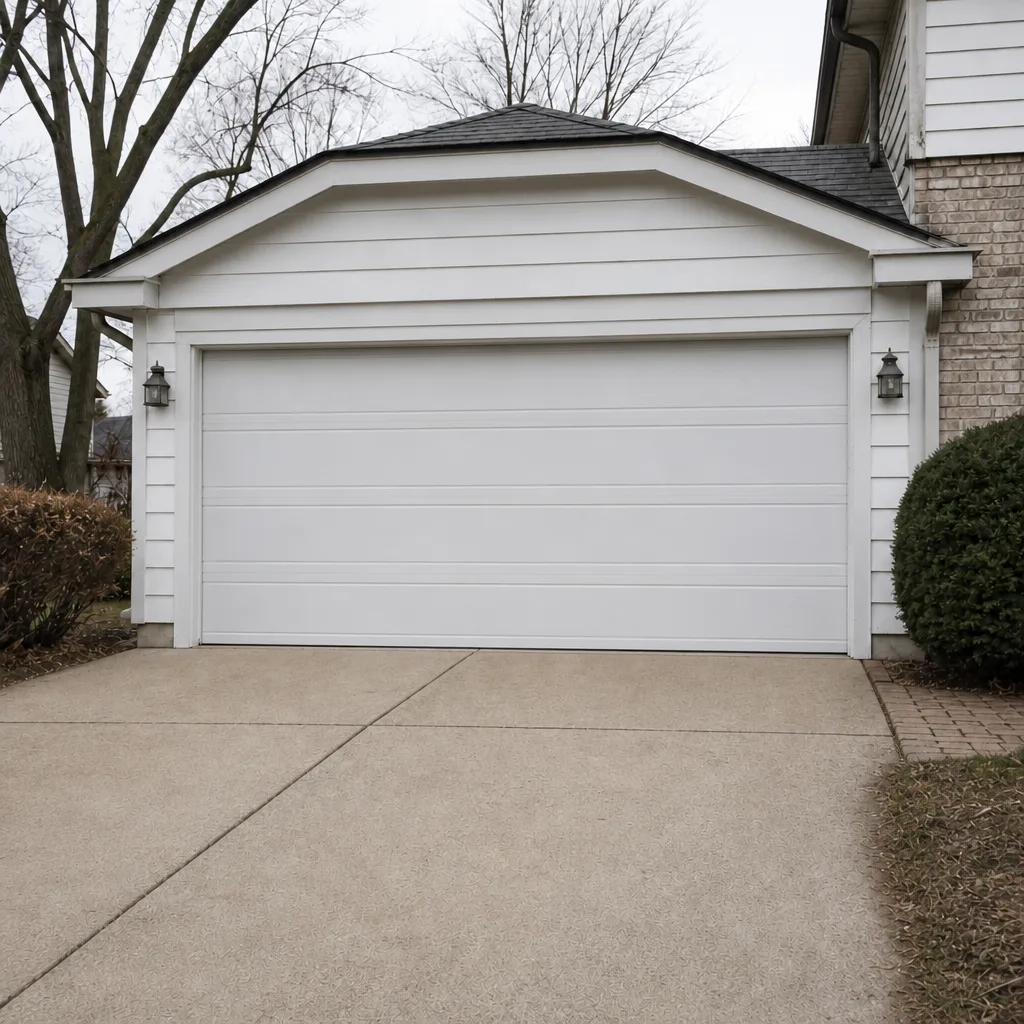 After
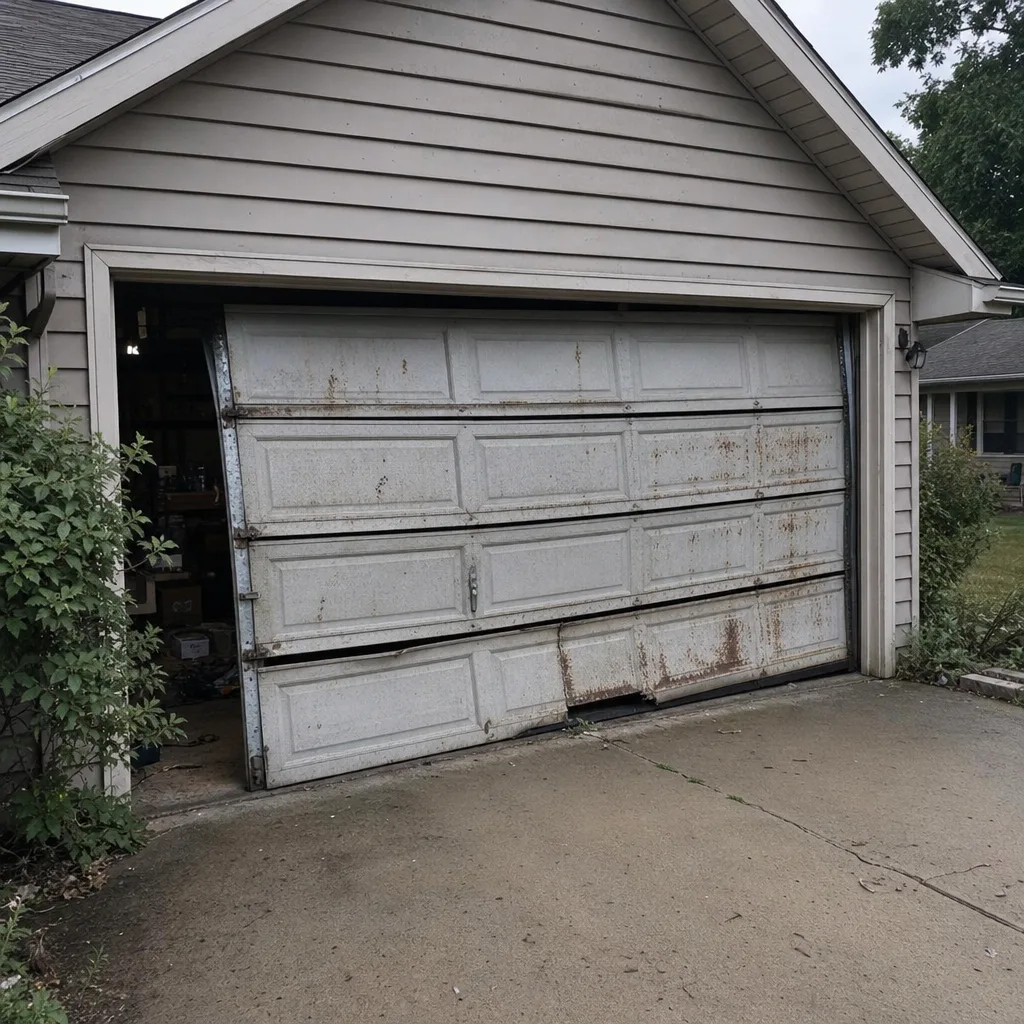 Before
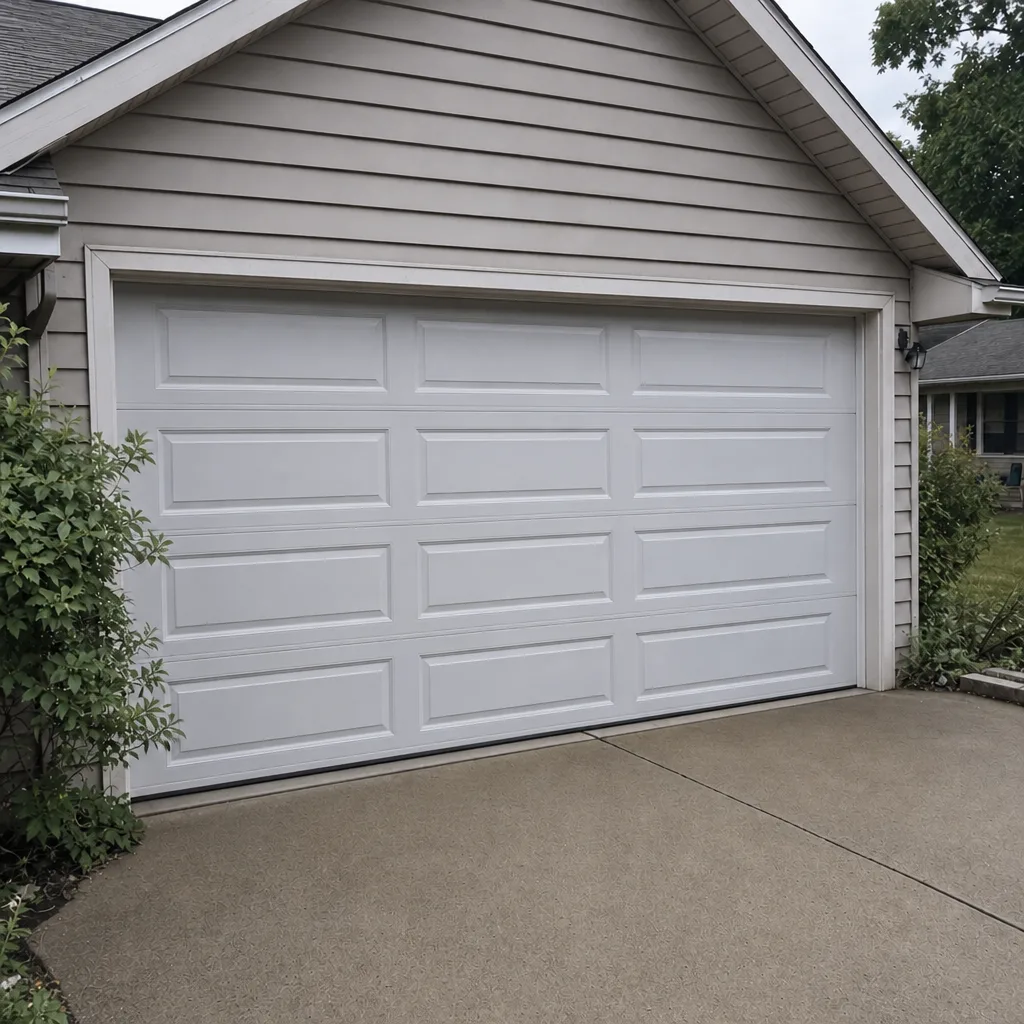 After
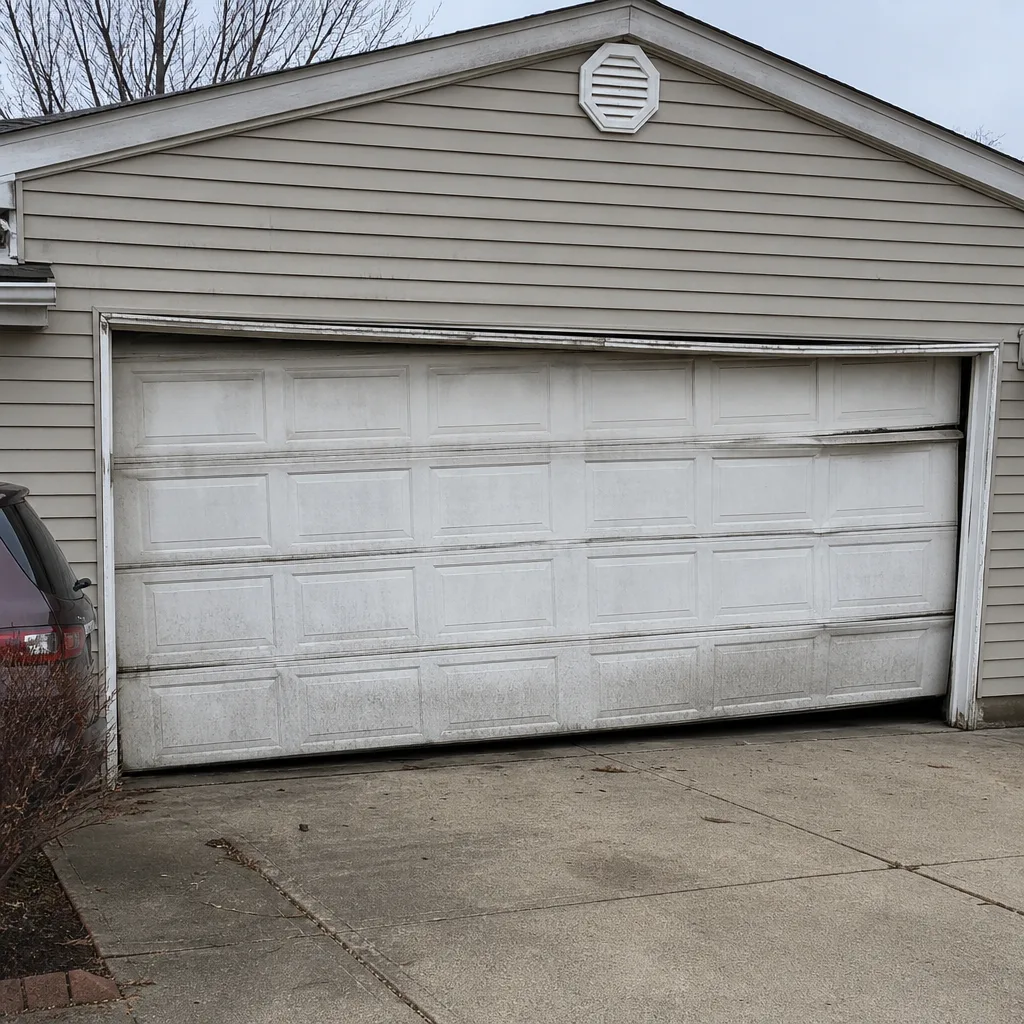 Before
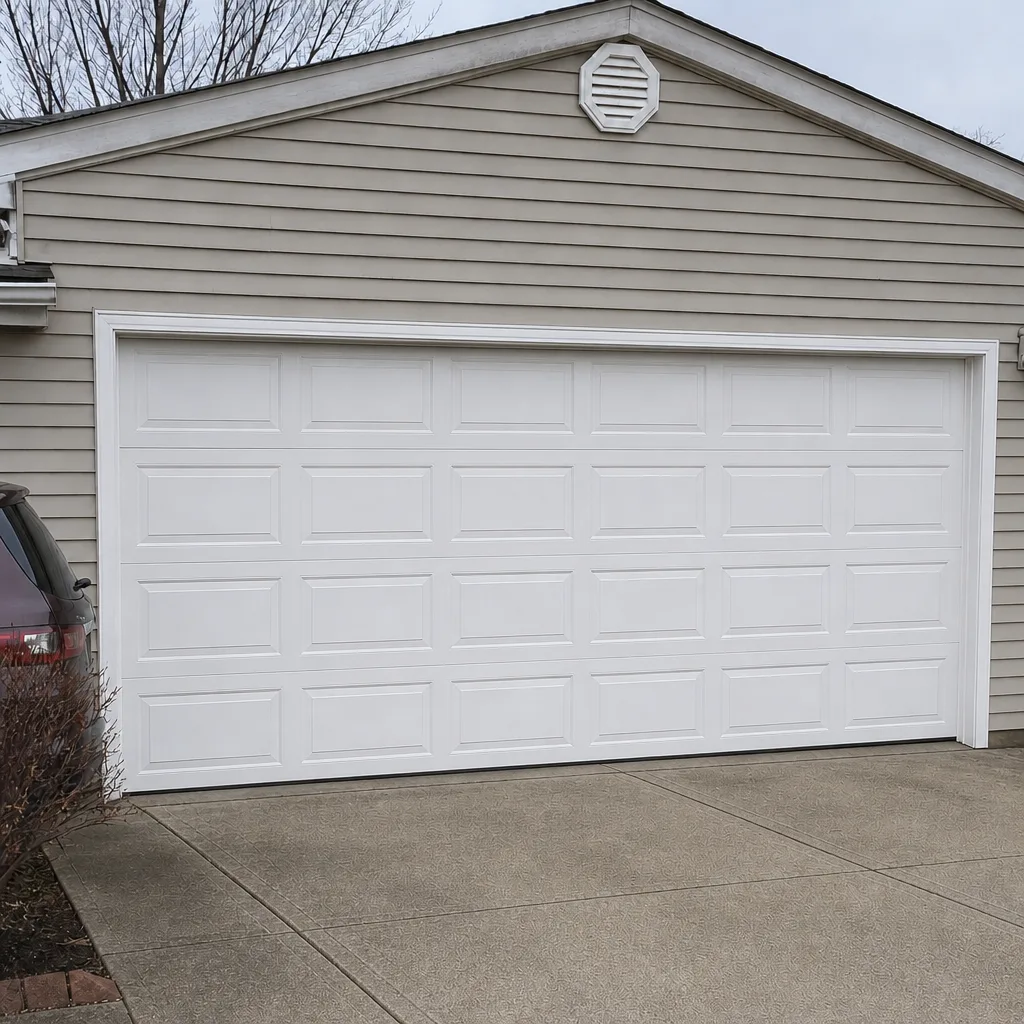 After
When to Call a Professional
Call when the symptom falls on the don’t-DIY side: a suspected broken or failing spring, any noise that sounds like a pop, cables that look frayed or off the drum, a door that won’t stay in place when disconnected, or an opener that hums without moving. Those are the cases where every added try on the remote makes the eventual repair bigger. Also call if you’ve done the safe steps – lubricated, cleaned, aligned the sensors – and the problem persists or keeps returning. A symptom that comes back after a fix is telling you the fix touched the symptom and not the cause.
Steadfast Garage Door Repair offers free estimates in Naperville – call (833) 467-3941. We answer 24/7. Fast dispatch from 7am to 7pm, Sunday through Friday, and we’re closed Saturday. When you call, have your model stickers and a one-sentence description of what the door does, and the diagnosis conversation will take minutes rather than a guessing game.
Frequently Asked Questions
The most common causes are a misaligned or dirty safety sensor, an obstruction in the sensor beam, or a door that’s out of balance so the opener misreads the load. Start by wiping both sensor lenses and confirming their LEDs are solid. If that doesn’t fix it, run the balance test described above – if the door slides down on its own when disconnected, the springs need attention. Call (833) 467-3941 for an exact quote if the problem persists; estimates are free.
Typical repairs in the Naperville market run in a moderate midwest-suburb range, with simple fixes like roller swaps and lubrication in the lower hundreds and spring replacements or track realignment getting toward the middle of that. Every price is set per job by the written estimate, and the price is quoted and agreed before any work starts. The written estimate is the price, so there’s no surprise after the work. Call (833) 467-3941 for a free estimate.
For repair calls we do our best to offer same-day service, but we won’t promise a specific arrival time we can’t guarantee. We answer 24/7. Fast dispatch from 7am to 7pm, Sunday through Friday. A call outside those hours gets booked into the next opening. Call (833) 467-3941 and we’ll tell you honestly what’s available.
Yes. A torsion spring on a residential door is under hundreds of pounds of stored tension, and it stays loaded even when the door is sitting closed. Never try to replace or adjust one yourself, and never run the opener once you’ve heard the pop that signals a break. Call us instead – this is a same-day repair, not a wait-and-see situation. Call (833) 467-3941 for an exact quote.
Disconnect the opener with the manual release cord and move the door by hand. If it moves easily and stays put, the opener is the problem. If it’s heavy, binds, or slides down on its own, the door is the problem and the opener is only the messenger. The balance test in this guide is the quickest way to tell. Call (833) 467-3941 if you’d like us to walk you through it.
Our technicians are experienced professionals, and we work with state-licensed, insured and bonded independent local professionals who perform the work. Our technicians have up to 15 years of experience across the eight brands we service. If you have a specific licensing question for your job, ask when you call and we’ll give you the specifics. Call (833) 467-3941 – estimates are free.
No. The written estimate is the price, and it’s quoted and agreed before any work starts. If we discover something during the repair that changes the scope, we stop and re-quote before proceeding. You’ll never get an invoice that wasn’t agreed in advance. Call (833) 467-3941 for a free estimate.
The Bottom Line
Most garage door problems have a specific, findable cause, and the path to finding it starts with reading the system instead of reacting to the symptom. Use the noise map to narrow down which component is failing. Run the balance test and force test to sort opener problems from door problems. Then look at the season and the weather – some symptoms self-correct and some accelerate, and knowing which is which prevents a small repair from turning into a replacement. Stay clear of anything involving spring tension, cables, or opener force settings beyond the manual’s range; those need trained hands.
Being able to describe the problem clearly in mechanical terms gets you a faster, sharper diagnosis, and that’s true whether you’re calling Steadfast Garage Door Repair or anyone else. If you’d like a specialist to look at what you have, Steadfast Garage Door Repair handles repair, garage door opener repair, and full installation under one roof, across eight brands including LiftMaster, Chamberlain, Genie, Raynor, and Clopay. Call (833) 467-3941 for a free estimate. We answer 24/7. Fast dispatch from 7am to 7pm, Sunday through Friday.
Written by the team at Steadfast Garage Door Repair.