
Last updated November 15, 2026
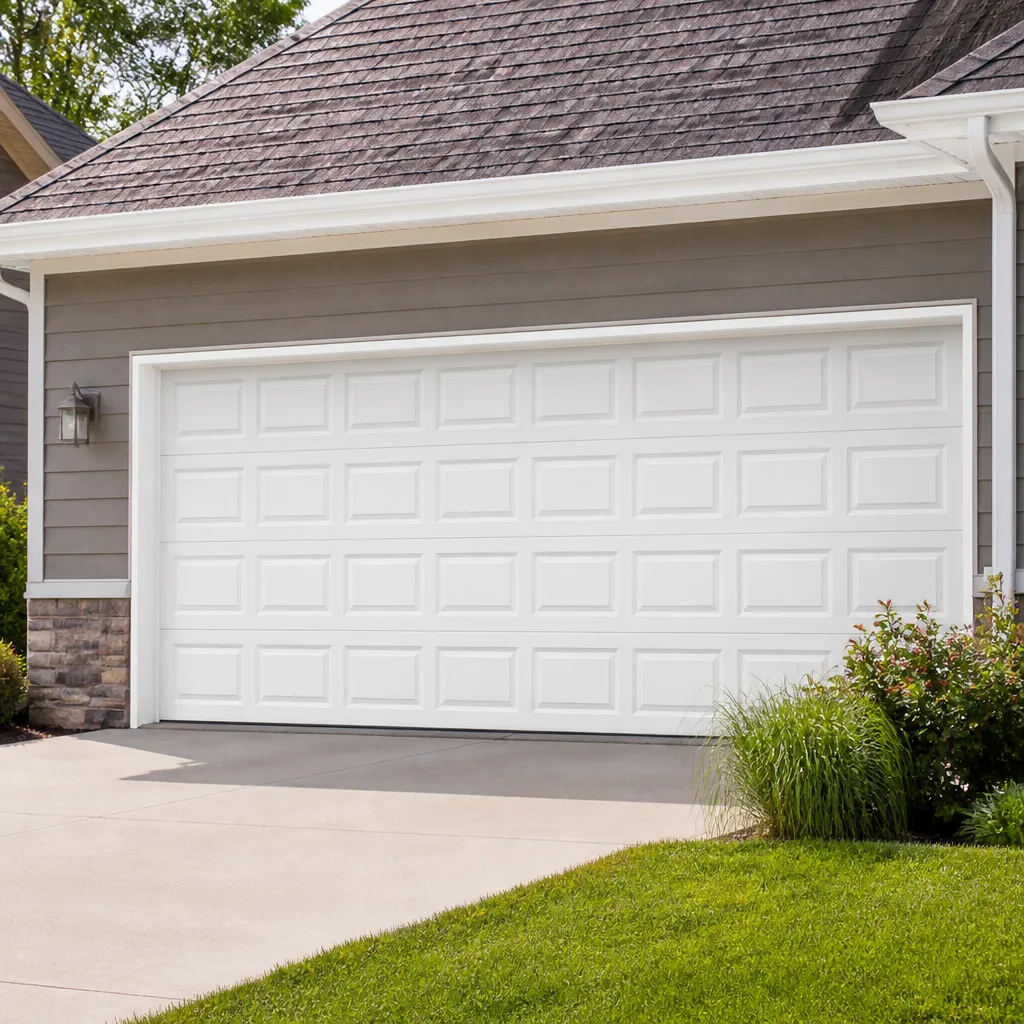 Raised-panel steel
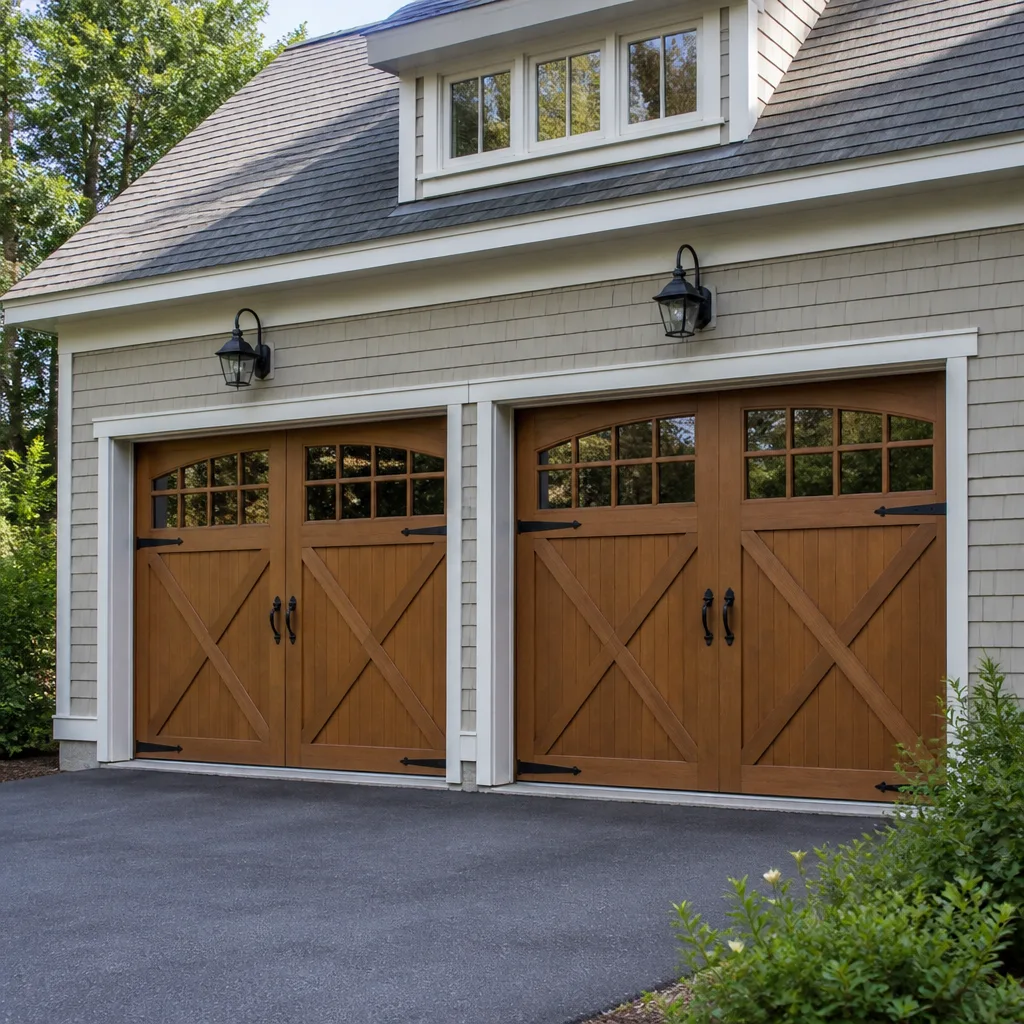 Carriage house
 Modern flush
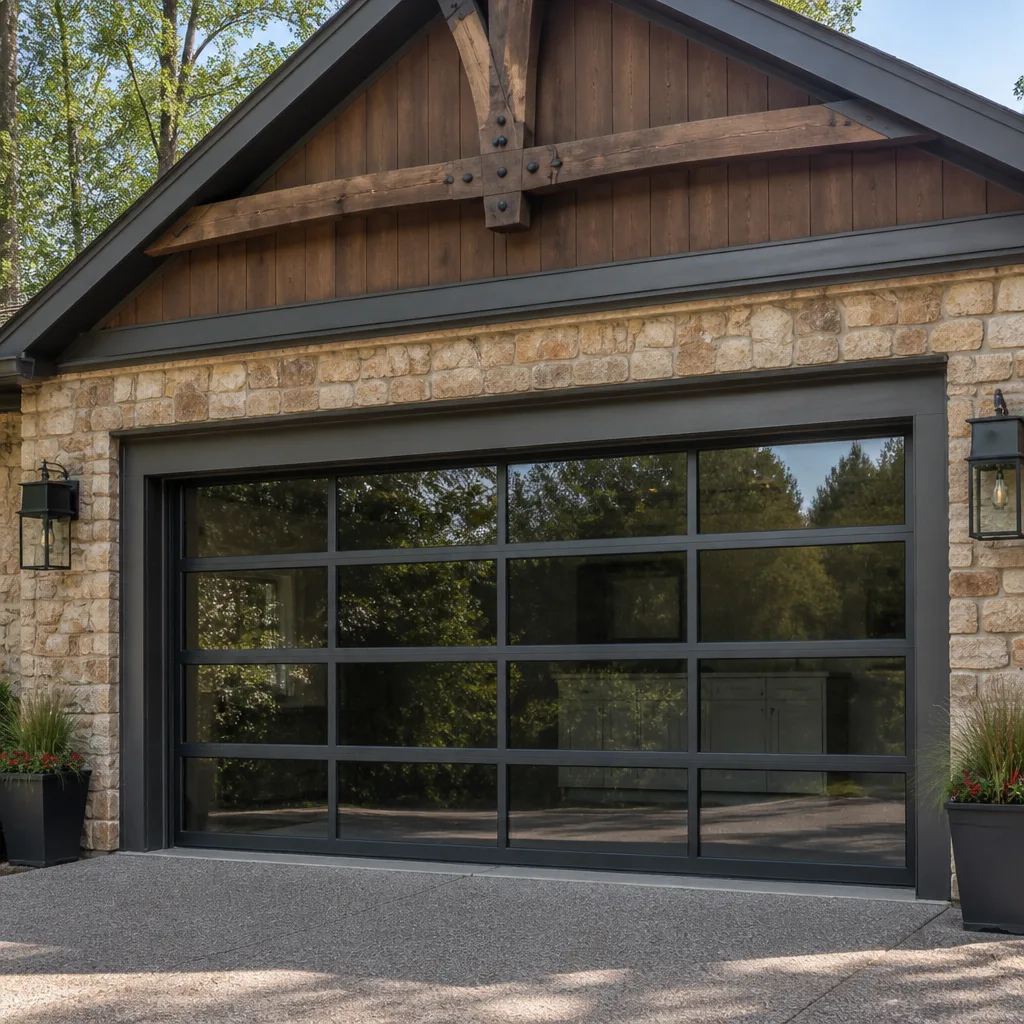 Full-view glass
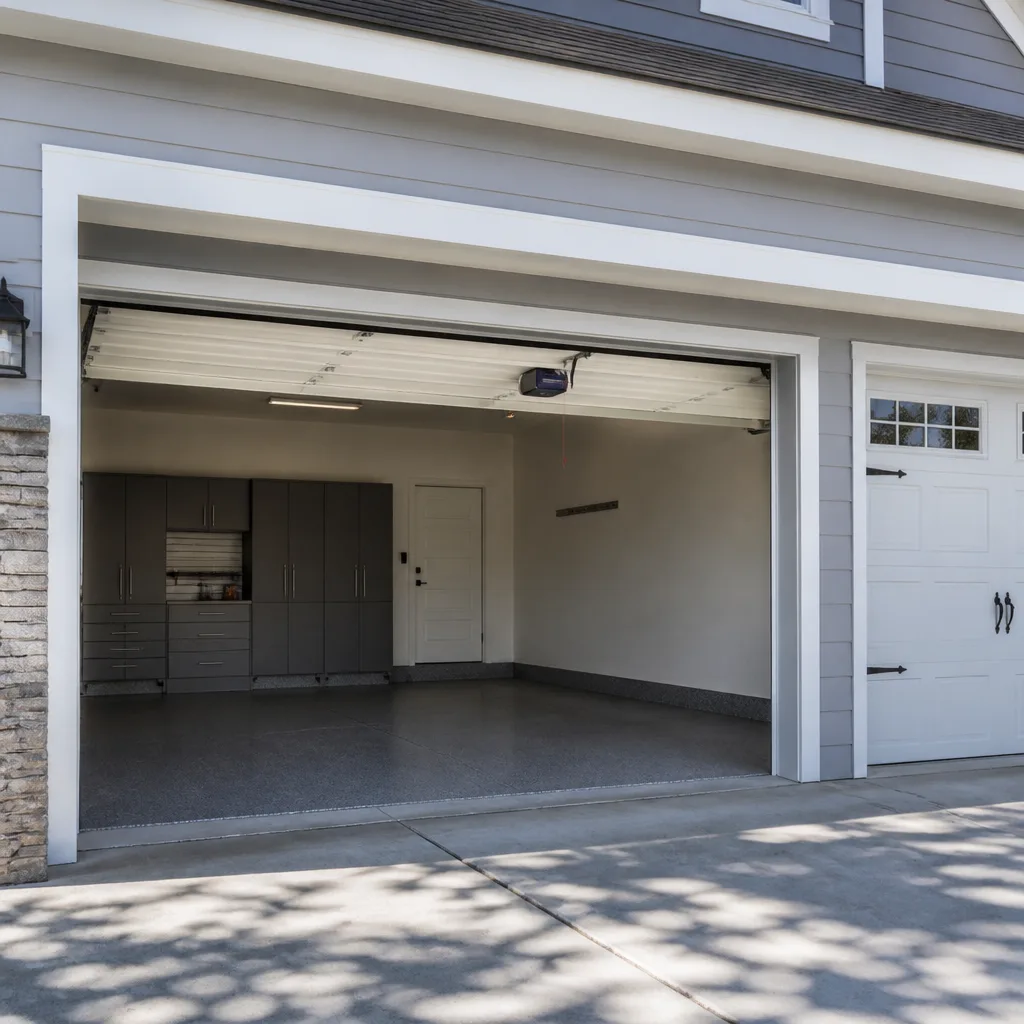 LiftMaster openers
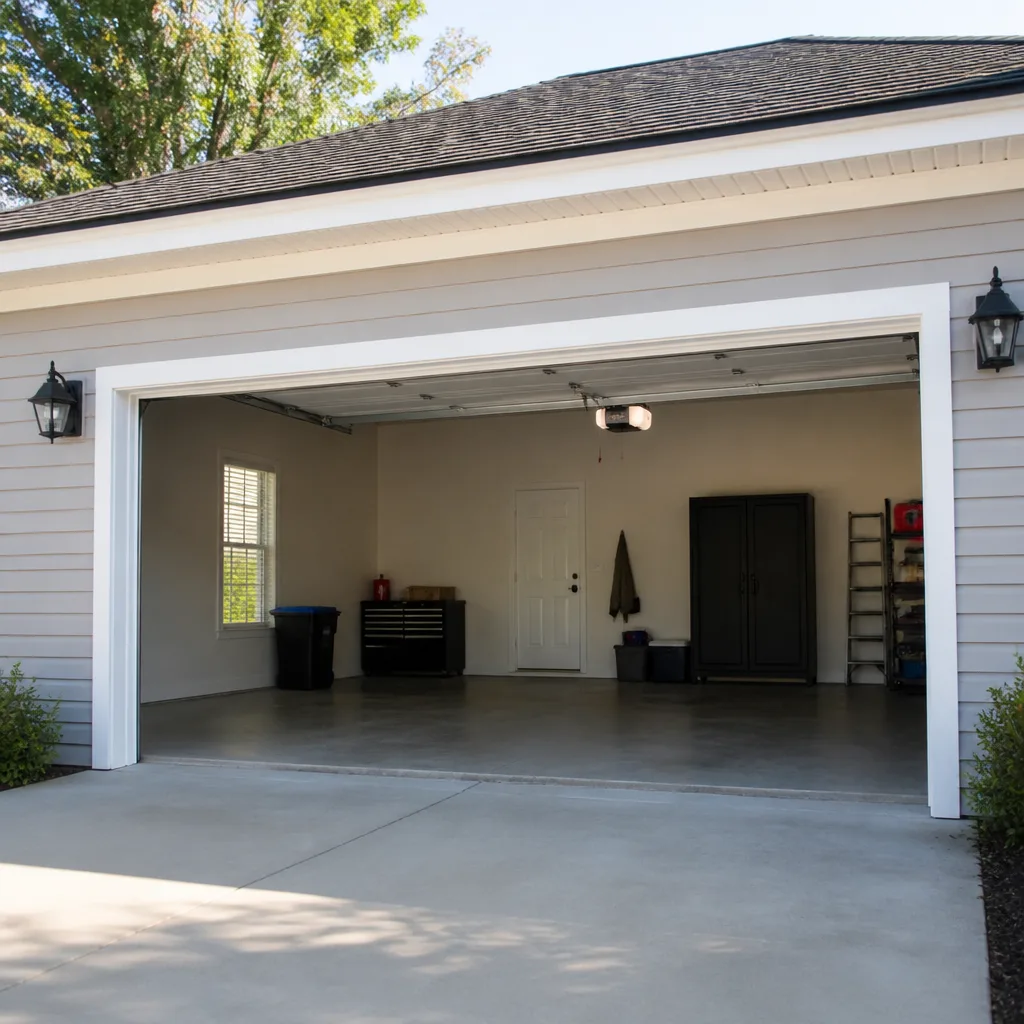 Chamberlain openers
Full 25-point door and opener safety check with every visit - springs, cables, rollers, tracks, and your LiftMaster or Chamberlain opener included
You get a price before we start. It does not change when the pro arrives.
Get your free estimateHow to Hire a Garage Door Contractor in Naperville: A Step-by-Step Guide
A five-star review tells you a contractor was polite and showed up on time. It tells you almost nothing about whether they calculated your spring torque correctly, matched your cable gauge to the weight of your door, or pulled the permit the job required. Most garage door hiring advice focuses on reviews, price, and punctuality, and none of those catch the failures that surface six months later: a mismatched spring pair that wears unevenly, a bottom bracket that was never upgraded, or an opener bolted to a door that wasn’t balanced for it. This guide teaches you to vet a contractor on technical fluency and paperwork, not stars. You’ll learn the four questions that separate specialists from dabblers, how to read a quote line by line, and what Illinois licensing really means for garage door work. By the end, you’ll know how to hire well in Naperville instead of hoping the lowest bid works out.
Quick Answer
To hire a garage door contractor in Naperville, vet them on four things: technical questions they can answer without deflecting, a written quote that itemizes parts by brand and gauge, proof they’ll pull any required permit through the city’s building department, and a clear warranty in writing. Price and reviews matter, but they don’t tell you whether the work will last. Ask your questions before you compare bids, not after you’ve chosen one.
Styles & brands we work with
- Raised-panel steel
- Carriage house
- Modern flush
- Full-view glass
- LiftMaster openers
- Chamberlain openers
Table of Contents
- The Four Technical Questions to Ask Before You Accept a Quote
- Why “Licensed and Insured” Means Less Than You Think in Illinois
- How to Read a Garage Door Quote Line by Line
- Specialist vs. Generalist: Why It Matters After Installation
- Red Flags That Appear in the First 30 Days
- What Naperville Climate and Housing Stock Do to Your Door
- Neighborhood Context: What Different Parts of Naperville Deal With
- When to Call a Professional
The Four Technical Questions to Ask Before You Accept a Quote
A competent contractor will answer these without hesitation. A deflection (or a change of subject to “we’ll handle everything”) is your signal to keep looking.
1. “What gauge cable is on my door, and are you replacing it with the same or heavier?”
Cable gauge is a function of door weight. A contractor who can’t tell you the current gauge, or who shrugs at the question, is likely replacing cables by eye. That’s how doors snap a cable a year after a repair. A good answer includes the gauge they measured and what they’ll install. For a double-car door that’s heavier than standard, or a wood door in a custom opening, the right answer may be a heavier gauge than what was there originally.
2. “Are the springs you’re quoting matched, and what’s the cycle rating?”
Springs are sold by cycle life, and a mismatched pair (one rated for 10,000 cycles, one for 15,000) wears unevenly. The stronger spring carries more load, the weaker one stretches, and the door goes out of balance months later. A pro will tell you the cycle rating they’re quoting and confirm both springs are the same. If the quote says only “replace springs” with a single price and no cycle rating, ask for the spec in writing.
3. “Will this job require a permit, and who pulls it?”
Most cities require a permit for structural changes to a garage door opening, including replacement of the door and any track or framing alterations. In Naperville, ask the city’s building department what your specific job requires, and ask the contractor whether they’ll pull it and whether the permit fee is in the quote. A contractor who says “we don’t bother with permits” for a full door replacement is telling you something important about how they operate.
4. “What’s your warranty, and what does it cover?”
Labor warranty and parts warranty are two different things. A good answer distinguishes them: springs may carry a multi-year parts warranty, but labor to reinstall them may be 90 days or a year. Get the terms in writing on the quote itself, not in a verbal promise at the door.
When you’re ready for a straight answer on any of these questions for your own door, our team handles garage door repair and can walk you through the specs before you commit to anything.
Why “Licensed and Insured” Means Less Than You Think in Illinois
Illinois does not have a statewide licensing program for garage door installers or repair technicians. What “licensed and insured” usually means on a garage door contractor’s van is that they carry general liability insurance and possibly a local business license. That’s not nothing, but it’s not the credential most homeowners assume it is. Garage door work isn’t like electrical or plumbing work, where a state license actually exists and gets verified. There’s no state exam to pass to hang a torsion spring.
So what does matter?
- General liability insurance. Ask for a certificate of insurance, and call the carrier to confirm it’s current. This covers property damage if something goes wrong on your garage.
- Workers’ compensation. If a technician is injured on your property, workers’ comp is what keeps you out of the middle of it. Ask whether the contractor carries it or whether their technicians are classified as independent contractors. (Independent contractors working on your property usually means the contractor doesn’t carry comp for them.)
- Manufacturer authorization. For opener work especially, brand authorization matters. A LiftMaster or Chamberlain authorized dealer has access to factory parts and technical support. A contractor who isn’t authorized may substitute a compatible part, which can affect your opener’s warranty. At Steadfast, we’re authorized to service LiftMaster, Chamberlain, Genie, Clopay, Amarr, Wayne Dalton, Craftsman, and Raynor equipment. That authorization is the most useful credential to ask about specific to this trade.
- Written warranty in the quote. This is the credential that reliably separates the pros from the rest. If they won’t put it in writing, treat it as no warranty.
The practical advice: ask for proof of insurance, ask for their authorization status with your specific brand, and get the warranty in the written quote. A contractor who can’t answer all three is one to skip. If they can, they’ve cleared the credential bar even without a state license number to point to.
How to Read a Garage Door Quote Line by Line
A garage door quote should be itemized enough that you could hand it to a different contractor and they’d know exactly what to install. Most aren’t. Here’s what to look for in each part of the quote.
Parts and brand
Every part should be named by brand and model or spec. “Springs” is not a part name. “Two torsion springs, 0.234 gauge, 15,000-cycle rated, matched pair, for a 130-pound 16×7 door” is. If your quote says “opener” without naming the model, that’s a hook for a substituted unit. A quote that names Chamberlain, Genie, LiftMaster, or Clopay parts can be compared apples to apples with another bid. A quote that doesn’t, can’t.
Labor description
“Install parts” is vague. “Remove old springs, install matched pair, balance door, cycle test 10 times, adjust opener limits” tells you what you’re paying for. If the labor line is one word and the price is bundled into the parts, ask for a breakdown. Bundled quotes are where substituted parts and skipped steps hide.
Permit line
For a full door replacement, the quote should list the permit as a separate line item (if your job requires one). If the permit line is missing, ask. If the contractor says “you don’t need one,” confirm that yourself with Naperville’s building department. The permit fee is small; the code compliance problem is not.
Warranty line
As in the earlier section, the labor warranty and the parts warranty should each have a term and a date. “Manufacturer warranty applies” is not a warranty term; it’s a pass-through with no commitment from the contractor.
Total and payment terms
Watch for a deposit requirement that’s larger than the parts cost. And confirm that the quoted price is the price before any work starts. A written estimate that’s agreed in advance is the standard; a verbal “we’ll see when we get in there” is not.
Specialist vs. Generalist: Why It Matters After Installation
On paper, a general handyman and a garage door specialist can look similar: both have a truck, both take credit cards, both say they can handle it. The difference shows up when something goes wrong. A generalist who installed your door has moved on to a bathroom remodel. A specialist still hangs their hat on garage doors, which means the warranty is still meaningful to them and the technical knowledge is still current.
The other practical difference: generalists often don’t carry the manufacturer-authorized status that a specialist does. When a garage door opener fails under warranty, an authorized technician can sometimes resolve it with the manufacturer directly. A non-authorized installer has no such recourse and may charge you for a part the manufacturer would have covered.
For installation especially, ask the generalist how many garage doors they installed last month and how many openers they wired. Most will tell you it’s not their usual work. That’s fine to hear, and useful. For a torsion spring replacement or a garage door opener repair, we work on what you already have, across the eight brands we’re authorized to service. For a full door replacement, ask whoever you choose the technical questions above before you commit either way. A generalist who can answer them may be fine; one who can’t should be skipped, whatever the price.
Red Flags That Appear in the First 30 Days
Some problems don’t show at the quote stage or on installation day. They show in the first month. Watch for these, and act on them early.
- The door isn’t balanced. Disconnect the opener and lift the door halfway by hand. It should stay roughly where you leave it. If it drops or rises, the springs aren’t matched to the door or the install wasn’t balanced. Call them back.
- New noises. A door that hums, grinds, or clicks on the way up is telling you about a roller, a hinge, or a track that’s out of alignment. This is usually an adjustment, not a replacement, but it shouldn’t happen on a fresh install.
- The opener safety reverse doesn’t work. Set an object (a roll of paper towels works) in the path of the door and close it. The door should reverse immediately. If it doesn’t, call the contractor back. This is a safety device and it should work from day one.
- Gaps at the floor or frame. Daylight under the door or at the sides means the new door was fitted to the old opening without adjusting the frame. Small gaps are normal; visible daylight is not.
- Loose fasteners. Bolts and lag screws shouldn’t back out in the first month. If they do, the door wasn’t correctly shimmed or fastened.
- No paperwork. If you didn’t get a written warranty, a permit record, and a receipt on completion day, the paperwork is already missing. Ask for it now, not after the warranty period has lapsed.
What to do if you spot one
Call the installing contractor first. Give them a chance to fix it under warranty; most will. If they don’t respond, ask for a written diagnosis from a second contractor and send it to the first one in writing. In Naperville, if a permit was required and pulled, the city has a record of the installation, which is useful if a dispute arises. If the permit wasn’t pulled and should have been, that’s a formal problem, not just an annoyance, and worth a call to the building department to understand your options.
What Naperville Climate and Housing Stock Do to Your Door
Naperville’s seasons stress garage doors in ways that warm-climate installation guides don’t address. Summer humidity swells wood doors and stresses paint and seals. Winter freeze-thaw cycles work on the bottom seal and the threshold. Seasonal temperature swings mean a door that’s perfectly balanced in July can feel heavy in January because the steel track contracts. If you hire in summer and the door operates warm, ask the contractor whether they’ve set the spring tension with cold weather in mind.
The area’s housing stock includes a mix of newer construction (where doors and openers tend to be builder-grade and reach end of life on a schedule) and older homes around the historic downtown (where doors are often original wood or custom-sized, and a “standard” replacement door won’t fit). If your Naperville home has a non-standard opening, ask the contractor how they’ll handle the frame: custom-order or reframe, and which is in the quote. A contractor who doesn’t ask about the frame is one who hasn’t worked many custom-sized installs.
Local climate also affects which components wear out first. Rollers and hinges in Naperville wear earlier than the springs, because humidity and temperature swings stress the moving parts before the loaded parts. If your contractor only quotes springs on a repair call, ask about the rollers and hinges too. On a Naperville door over a decade old, they’re usually due.
Neighborhood Context: What Different Parts of Naperville Deal With
Garage doors in Naperville aren’t all one story. The housing stock and lot sizes vary across the city enough that a single approach to hiring doesn’t fit every job.
- Downtown Naperville and the historic core. Older homes with detached or attached garages that were fitted later. Openings are often non-standard, and original wood doors are more common than in newer construction. Custom or semi-custom installation is the norm; a big-box replacement door usually doesn’t fit.
- Newer subdivisions along the city’s perimeter. Builder-grade doors and openers, often developed in the 1990s and 2000s. The originals reach end of life around the same age across the neighborhood, so a spring or opener failure is often on a schedule. The good news: replacement specs are standardized, so bids are easier to compare.
- Downtown and near-downtown commercial corridors. Mixed residential and commercial. If your garage opens onto a shared driveway or tight alley, the install has to accommodate limited clearance, which affects which door types the contractor can fit. Ask about clearance before ordering.
- West-side subdivisions. Tighter lots than some of the eastern developments, meaning smaller garages and single-car doors more often. Torsion spring specs for a single-car door differ from a double, and a generalist who installs both without checking is a generalist to skip.
None of this is a hard map; neighbors eight blocks apart can have very different doors. But it’s a useful set of questions to bring to any bid. Ask the contractor how many of the doors they’ve installed in Naperville looked like yours, and what they had to adjust for. A specialist will have an answer. A generalist will have a shrug.
Common Mistakes to Avoid
- Choosing on price alone. Garage door repair and installation prices vary widely in Naperville, and the lowest bid is often the lowest for a reason: substituted parts, skipped permit, or a lighter-gauge cable. Compare quotes on the specs, not just the total.
- Skipping the insurance question. “We’re insured” without a certificate is not insurance. Ask for the certificate, call the carrier, and confirm it’s current. If it’s not, you’re exposed if anything goes wrong on your garage.
- Assuming “licensed” means “state-licensed.” Illinois doesn’t license garage door contractors. A license number on a business card may be a local general business license. That’s not the credential to weigh; the manufacturer authorization and the written warranty are.
- Not asking about the permit. If your job needs a permit (most full door replacements do), skipping it can leave you with a code problem and an insurance gap. Call Naperville’s building department with your address and the job description to confirm what’s required.
- Replacing one spring when both are due. Springs are rated in cycles. Replacing one in a matched pair means the other is likely at the same point in its life and will fail shortly after. Ask the contractor to inspect both and quote accordingly.
- Accepting a verbal warranty. “Our work is guaranteed” means nothing in writing. Ask for the labor warranty and the parts warranty separately, each with a term and a covered/excluded list, on the quote.
- Ignoring the opener after a door replacement. A new, heavier door can be a poor match for an older opener. Ask whether the existing opener has the correct capacity, and get the answer in writing before you sign off on the install.
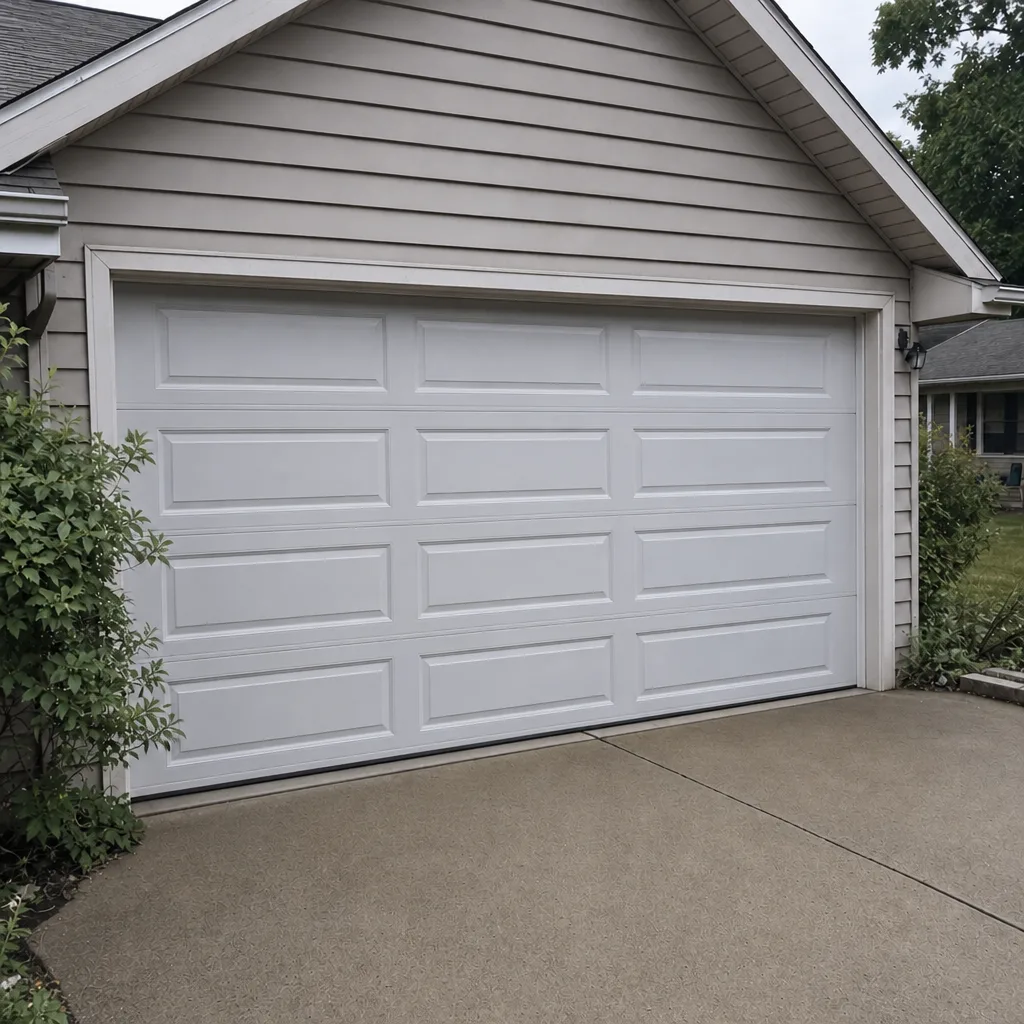
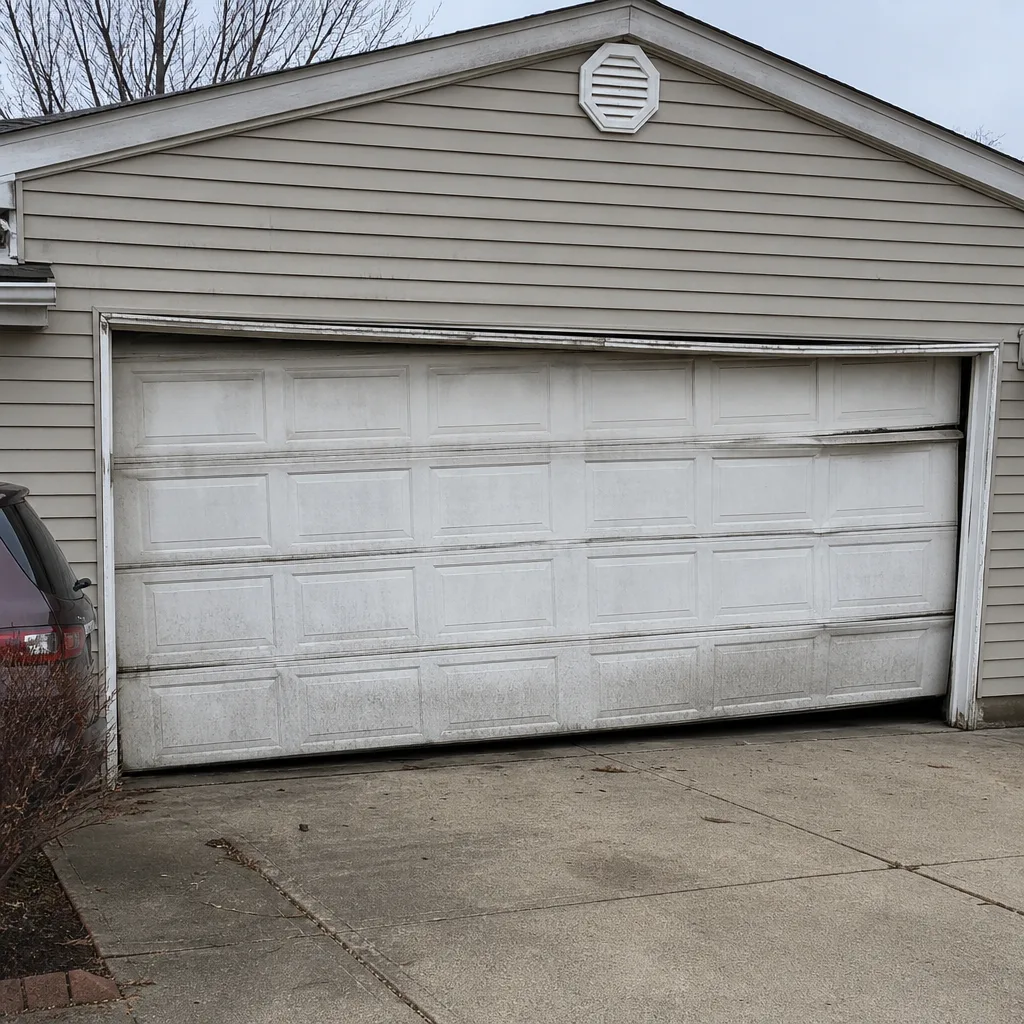
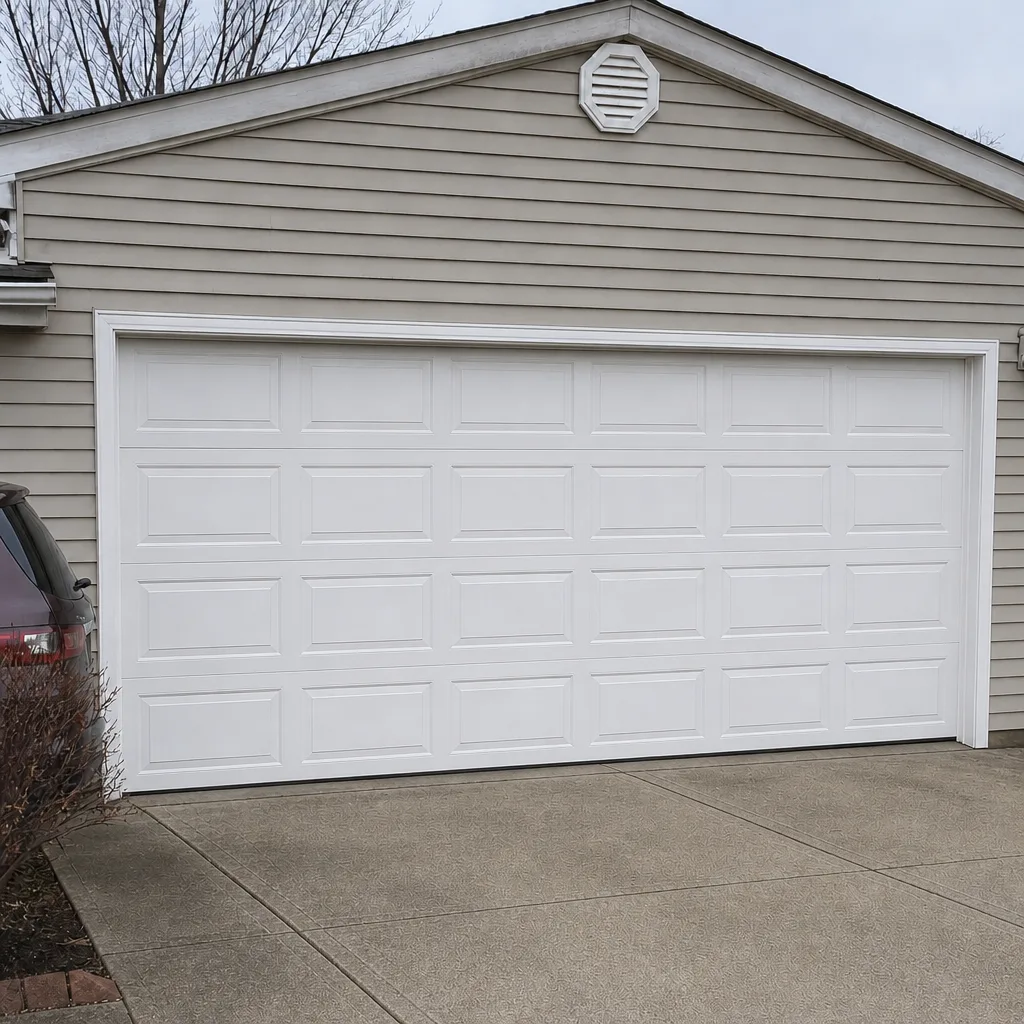
See the difference
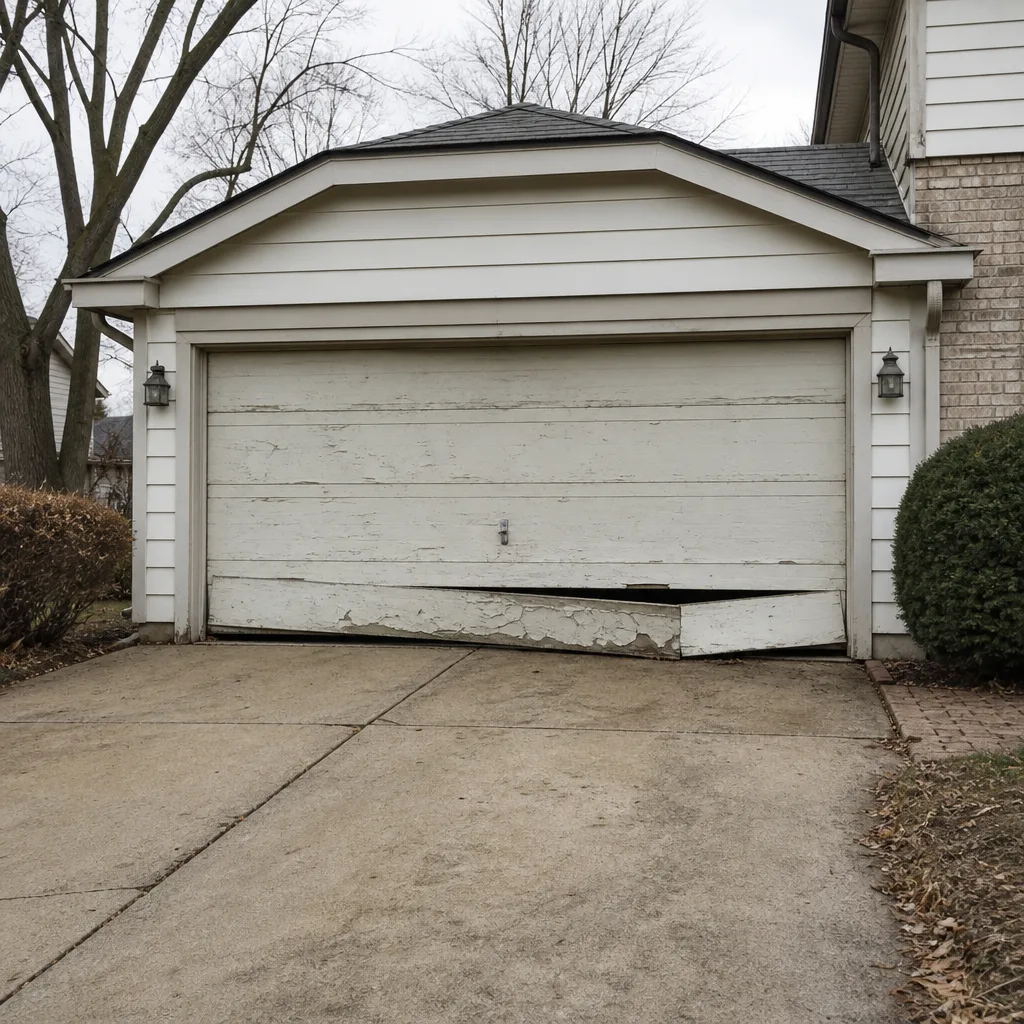 Before
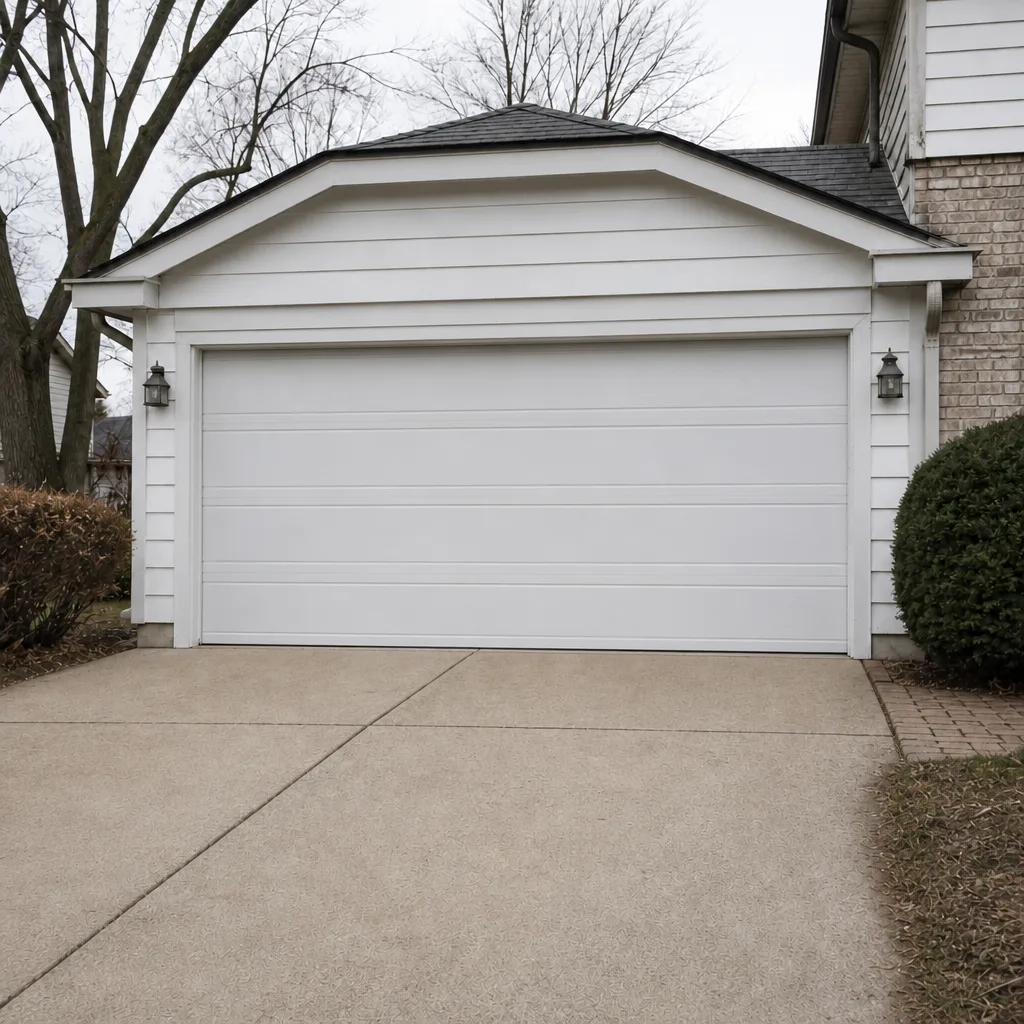 After
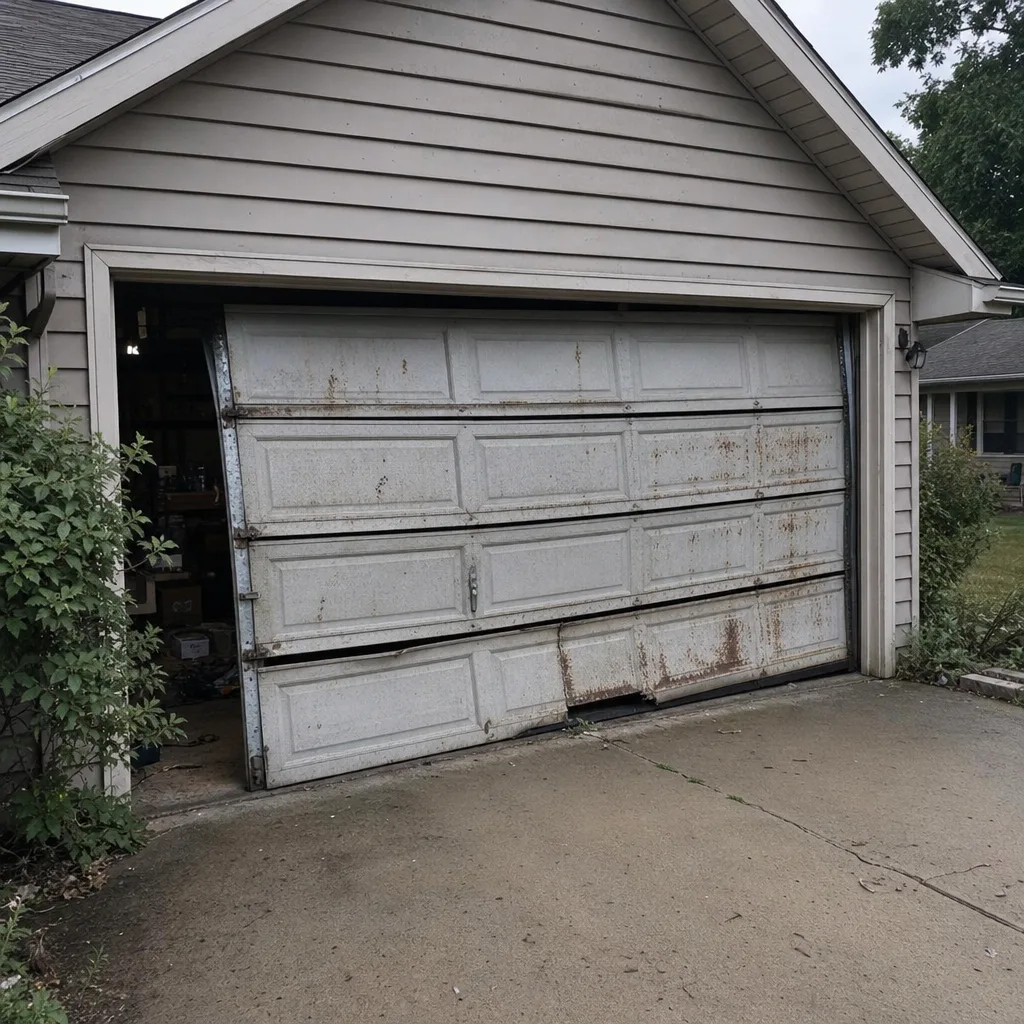 Before
 After
 Before
 After
When to Call a Professional
Some garage door issues are safe to diagnose yourself; some aren’t. Anything involving the torsion spring above the door is a professional job. A torsion spring stores hundreds of pounds of force, and a sudden release can cause serious injury. Cables are under similar tension and can whip if a bracket fails. Never try to wind or unwind a spring yourself, and don’t cut or loosen a cable without a trained technician. Electrical work on a garage door opener is also not a homeowner task if the opener needs rewiring, only if it’s a plug-in swap. Steep-roof or height work for a taller or commercial-grade door on residential property should also go to a professional. When you’re ready to have a specialist diagnose it, our team can help: Steadfast Garage Door Repair offers free estimates in Naperville. Call (833) 467-3941. We answer 24/7. Fast dispatch from 7am to 7pm, Sunday through Friday.
Frequently Asked Questions
The three most reliable qualifications are manufacturer authorization for your brand, a certificate of general liability insurance you’ve confirmed with the carrier, and a written warranty on the quote. State licensing doesn’t exist for garage door contractors in Illinois, so don’t wait for a state license number. If a contractor can’t produce all three of those, keep looking.
Most full door replacements in Naperville require a permit, but the specific rules depend on your address and the extent of the work. Call Naperville’s building department with your address and the job description to confirm before work begins. A contractor who says “you don’t need one” without verifying is one to skip.
Typical estimates vary by what fails. Spring replacement is usually priced per spring, and a matched pair is typically replaced together, which roughly doubles that piece. Opener repair depends on the component. Cable replacement is a separate line item. The exact price comes from the written estimate for your door, and the price you agree to before work starts is the price. Call (833) 467-3941 for an exact quote.
A specialist works on garage doors as their primary trade, which means current technical knowledge, manufacturer authorization for major brands (LiftMaster, Chamberlain, Genie, Clopay, Amarr, Wayne Dalton, Craftsman, Raynor), and a warranty that stays meaningful after the job. A handyman who handles garage doors on the side may do perfectly good work, but they often lack the manufacturer relationships and the current parts knowledge to back it up when something goes wrong after the fact.
For repair calls, yes, we aim for same-day service in Naperville, with fast dispatch from 7am to 7pm, Sunday through Friday. New door installation is different: that job is measured, ordered, and scheduled, so the timeline is set by the written estimate rather than a same-day turnaround. We answer 24/7.
No. The price on the written estimate is the price you agree to before work starts. We quote based on the specs of your specific door, and if something unexpected turns up, we tell you before any additional work happens so you can decide. Call (833) 467-3941 for an exact quote; estimates are free.
For a closer look at how we handle specific repair and installation work in Naperville, you can also read about garage door opener repair and how we approach installation jobs on our Naperville service page. Both go deeper on the technical side than a general contractor conversation usually does.
The Bottom Line
Hiring a garage door contractor in Naperville comes down to technical fluency, paperwork, and the credentials that actually exist in Illinois. Reviews and price matter, but they don’t catch the failures six months later. Ask the four technical questions before you take a bid, confirm insurance and manufacturer authorization, read the quote line by line, and get everything in writing, including the warranty. A specialist will have straight answers; a generalist usually won’t. Either way, you now know what to look for. When you’re ready to have a specialist look at your door, whether it’s a repair, an opener issue, or a full replacement, we’re here. Call (833) 467-3941 for a free estimate. We answer 24/7, with fast dispatch from 7am to 7pm, Sunday through Friday. We work on what you already have, across the eight brands we’re authorized to service, so you don’t have to worry about a handoff. Read more about Steadfast Garage Door Repair and what we cover.
Written by the team at Steadfast Garage Door Repair.