
Last updated November 15, 2026
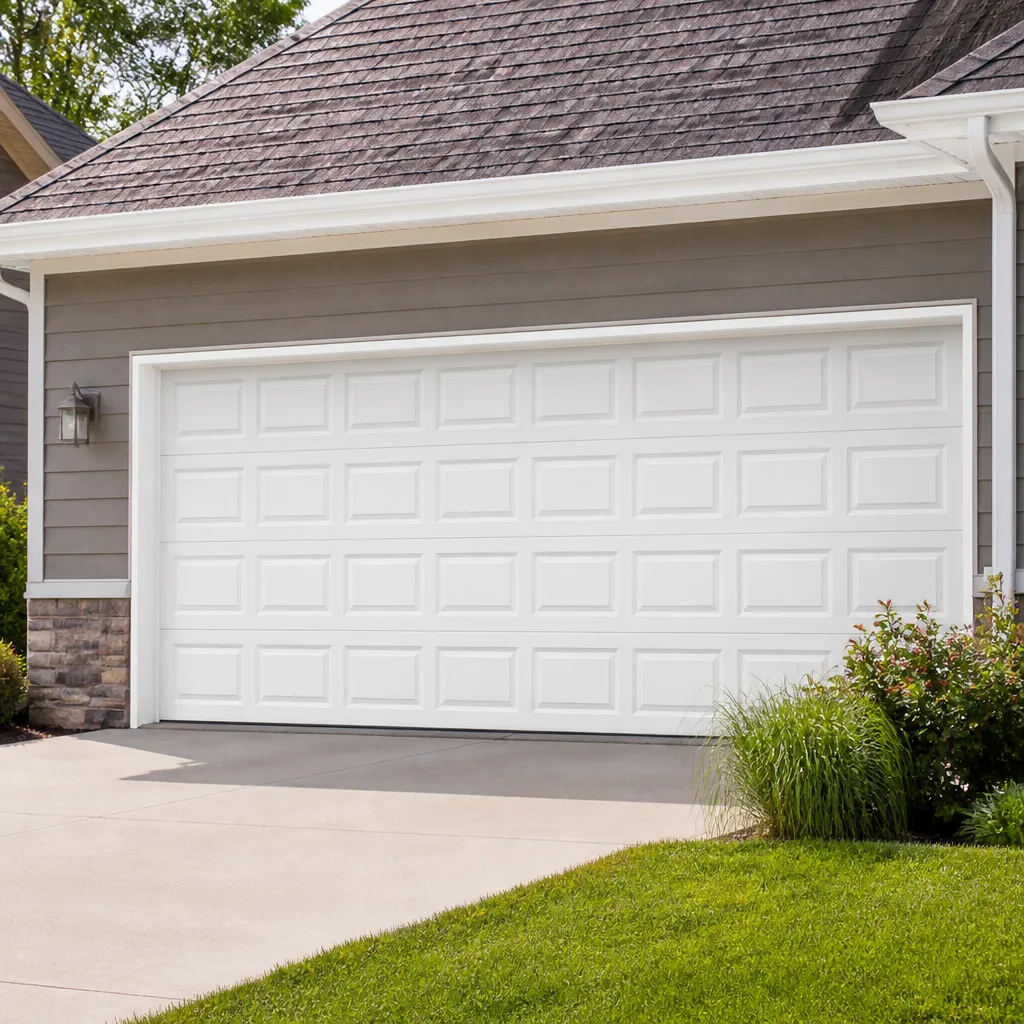 Raised-panel steel
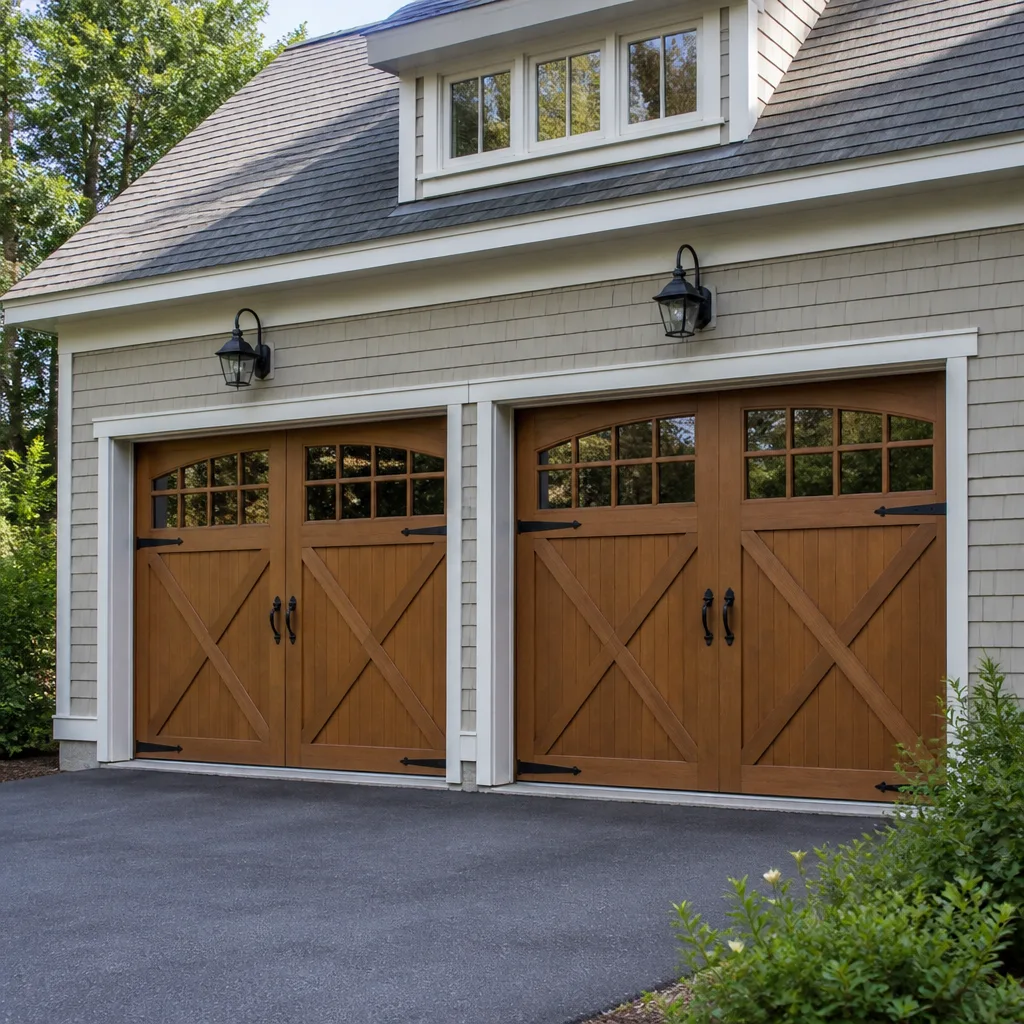 Carriage house
 Modern flush
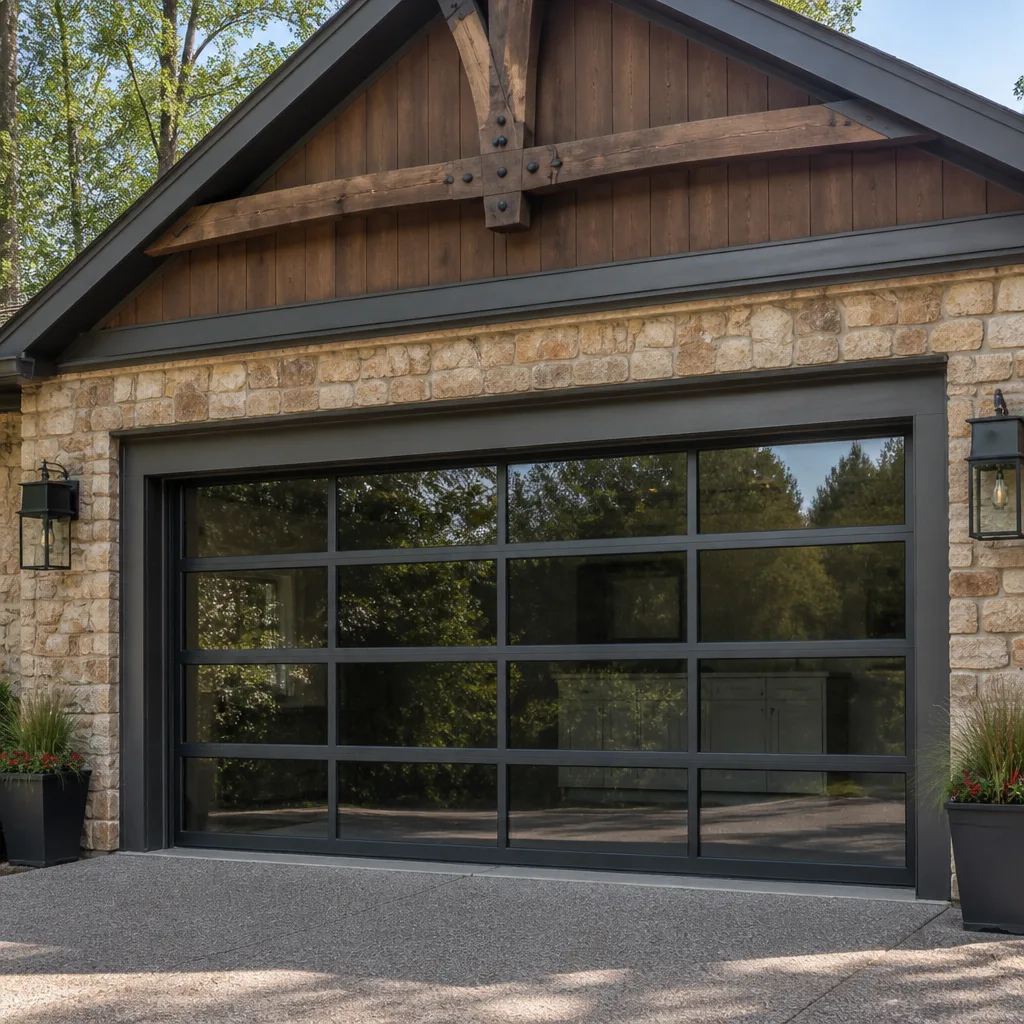 Full-view glass
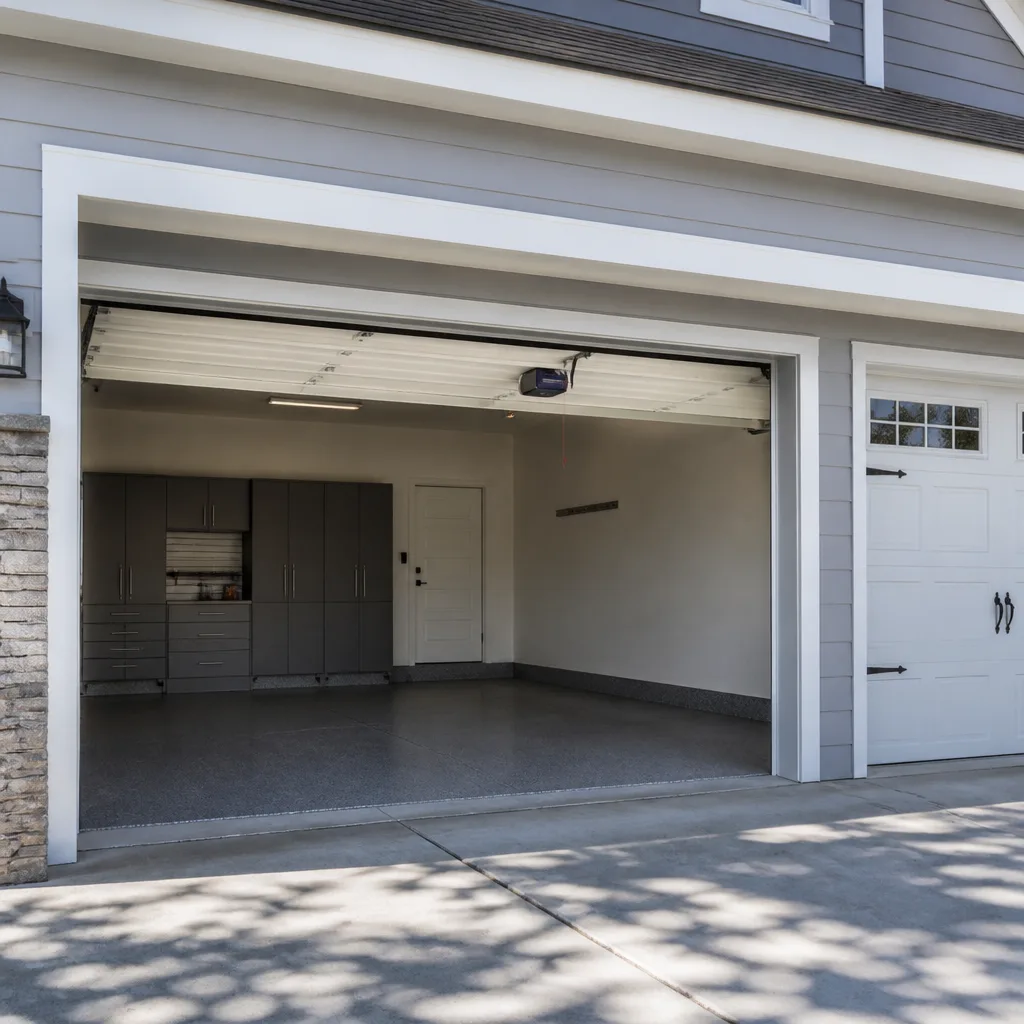 LiftMaster openers
 Chamberlain openers
Full 25-point door and opener safety check with every visit - springs, cables, rollers, tracks, and your LiftMaster or Chamberlain opener included
You get a price before we start. It does not change when the pro arrives.
Get your free estimateGarage Door Warning Signs: A Naperville Homeowner’s Reference Guide
Most garage door failures announce themselves weeks before they strand you. The trouble is that the early signals are quiet: a door that hesitates a second longer than it used to, a faint squeak that shows up only on cold mornings, a steel roller slowly going bald on one edge. Homeowners in Naperville learn to live with these “quirks” until the morning the door won’t move at all. This guide is about reading those signals accurately, mapping each sound and sight to the part producing it, and knowing which ones mean “schedule this week” versus “stop using the door today.” We’ll walk through the sounds, the visual clues most people miss, and how to document what you’re seeing so a technician can diagnose it fast. Naperville homes and seasons both matter here, and we’ll get into why.
Quick Answer
Garage door warning signs in Naperville include grinding or popping sounds, frayed cables, a visible gap in the torsion spring, worn or cracked rollers, a door that closes slowly or unevenly, and any door needing a hand to finish closing. Grinding noises, a broken spring or a frayed cable mean stop using the door and call a specialist. Sluggish travel and mild rattling usually mean schedule a service visit the same week. Acting early is the difference between a small part replacement and a larger repair.
Styles & brands we work with
- Raised-panel steel
- Carriage house
- Modern flush
- Full-view glass
- LiftMaster openers
- Chamberlain openers
Table of Contents
- What Do the Noises Tell You? A Sound-to-Cause Map
- Visual Warning Signs Most Homeowners Overlook
- Behavioral Changes in the Door’s Movement
- Which Warnings Require Same-Week Service vs. Immediate Shutdown
- How to Operate the Door Safely in the Meantime
- How to Photograph and Document Warning Signs Before a Technician Arrives
- Naperville Climate and Your Garage Door: What Each Season Does
- Common Mistakes to Avoid
What Do the Noises Tell You? A Sound-to-Cause Map
Sound is the most honest diagnostic tool a garage door has. It doesn’t exaggerate and it doesn’t hide anything. If you learn to listen for the difference between a scratchy grind and a hollow rattle, you’ll know more about your door’s health than any visual inspection will tell you. Here’s the mapping we work from on garage door repair calls in Naperville.
Grinding
A metal-on-metal grind, especially when the door starts to move, usually points to dry or worn torsion springs, a failing bearing plate, or rollers that have seized inside the track. If the grind is constant and loud, stop running the door. A seized roller can jump the track and drop a panel.
Popping or a Sharp Bang
One loud pop or a bang that sounds like a firecracker often means a torsion spring has broken. After a spring snaps, the door may not lift at all, or it may feel dangerously heavy when you try. Do not force it. A door held up by a failed spring can come down without warning, and the spring system is under high tension.
Scraping
A scrape or drag, usually near the top or bottom of travel, is a sign that a panel is out of alignment, a hinge is bent, or the door is rubbing against the track or the frame. If scraping is coming from inside the opener housing rather than the door, that’s a different repair, and our garage door opener repair team should look at it before the motor burns out.
Rattling
Rattling or a light chatter is the mildest sound in the bunch, and usually the easiest to fix. Loose hinge bolts, worn nylon rollers, and a slightly loose chain or belt on a LiftMaster or Chamberlain opener are common culprits. If the rattle is new in the last few weeks, schedule a service visit. If it’s been there for years, it’s probably been accelerating wear on the moving parts all along.
Visual Warning Signs Most Homeowners Overlook
Doors fail visually long before they fail mechanically. The problem is that most of the early signs hide in places we don’t look: the cable along the side of the door, the torsion spring above it, the rollers buried in the tracks. Here’s what to look at, and what you’re looking for.
Cable fraying patterns
- Single-strand fraying at the drum: one or two wires starting to separate where the cable wraps around the drum. This is early wear and worth a service visit before the next cold snap.
- Birdcaging near the drum: the cable has splayed into a coil. That cable is compromised and can whip off the drum. Do not use the door.
- Fraying below the bottom bracket: uncommon, but it can mean the bracket is pulling away or the door is overloaded. Stop using the door and call a specialist.
Spring gap formation
A torsion spring should look like one continuous coil. If you see a gap or a crack anywhere along its length, the spring has broken or is about to. A gap means the spring is no longer carrying the door’s weight, and the door is either not lifting or is lifting by the opener motor alone. That damages the opener and is a fall hazard. Never attempt a spring repair yourself, even a visual one close-up. The spring holds enough tension to cause serious injury.
Roller wear that’s invisible until the door drops
Rollers are the small, cheap parts that fail quietly. Steel rollers wear flat on one side and start to rumble before they seize. Nylon rollers crack at the hub. The reliable visual test is to look at the roller edge: if it wobbles as the door moves, or if you can see flat spots, it’s on its way out. Also check the tracks for dents, kinks and debris buildup. On older Naperville homes, track alignment is a common reason a door that ran cleanly all summer suddenly starts dragging in December.
Behavioral Changes in the Door’s Movement
A garage door’s behaviors are its sentences. A slow descent, an uneven travel, a bounce at close – each one is a diagnosis waiting to happen. Here’s what the most common behaviors usually mean.
Slow descent
If the door closes more slowly than it opens, or slower than it used to, one of a few things is wrong: the travel limits on the opener are out of calibration, the safety sensors are misaligned or seeing an obstruction, or the drive gear on a Genie or Craftsman opener is wearing. A slow close is a symptom, not a driver preference. Left unaddressed, the opener runs its motor past designed load on every cycle, which shortens lifespan measurably.
Uneven travel
If one side of the door lags the other, a torsion cable is stretching, a drum is slipping, or a track is out of plumb. Uneven travel is a mechanical diagnosis that needs a trained eye. Do not “even it out” by adjusting anything yourself.
Bouncing at close
A door that bounces at the bottom instead of closing smoothly is usually running into a limit set too high, or a bottom seal that’s out of position and putting a load on the motor. This might feel like a small problem, but each bounce sends shock through the whole door and accelerates wear on the hinges and rollers.
The “little extra push”
If you’ve started pushing the door a few inches by hand to finish closing, that’s not a quirk. It’s the door telling you the travel limit calibration has slipped and the operator is under load. That opener is running hot on every cycle. Get it looked at before the motor fails.
Which Warnings Require Same-Week Service vs. Immediate Shutdown
Not every symptom is a Steadfast Garage Door Repair emergency. Here’s the split we use when we’re diagnosing over the phone.
Stop using the door immediately
- A visible gap or crack in the torsion spring, or the door feels extremely heavy
- Birdcaged, kinked or separated cable anywhere along its run
- A door that has come off the track or hangs at an angle
- Panels that have come apart, or the door hanging unevenly under load
- A loud pop followed by the door not lifting
These are injury hazards and should be handled only by a technician. A torsion spring under tension can cause serious injury, and forcing a damaged door risks dropping a panel on a person or a vehicle.
Schedule service this week
- A new grinding or popping sound that isn’t constant
- Slow descent, if the sensors are clean and aligned
- A single rattle that’s new in the last month
- Rollers with visible flat spots or wobble
- Doors that bounce at close
- A remote or wall control that’s working intermittently
Each of these accelerates wear on other components. A worn roller left alone can take out a hinge. A worn hinge can stress a track. The domino effect is real, and it’s why we treat small symptoms seriously.
How to Operate the Door Safely in the Meantime
If your door is in the “shutdown” category, you can still use the garage – you just need to move the door by hand, without the opener, and only if the spring system isn’t the problem. Here’s how to do that safely.
- Pull the red release handle on your opener’s carriage (the J-bar that connects the door to the opener rail). This disconnects the opener from the door so you can move the door manually without stressing the motor.
- Lift or lower the door slowly, with both hands, standing clear of the path of travel. On a properly balanced door, manual movement should be smooth, light and easy to stop midway. If the door is heavy at any point, stop. A heavy door means the spring system is compromised, and you should close it and leave it closed.
- Never leave a disengaged door open and unattended. Pull it down to a closed position before walking away.
- Lock the door if you can. On many doors, you can manually engage the lock or drop the vertical bolts, which keeps the door from being raised by someone outside.
- Re-engage the carriage to the opener only when a technician has cleared it. A re-engagement on a door with unresolved mechanical issues can snap the release rope and cause a fall.
If you’re not confident in the door’s balance, keep the door closed and call. We answer 24/7, and we can talk you through a safe decision over the phone.
How to Photograph and Document Warning Signs Before a Technician Arrives
One of the most useful things you can do before a technician shows up is to be able to describe what you’re seeing. A good photo of a frayed cable or a spring gap tells us in seconds what a vague phone description can’t. It also saves diagnostic time and prevents a back-and-forth where a symptom gets misread.
- Photograph the torsion spring along its full length, with the garage door fully closed and the opener disengaged. Get a close-up of any gap or crack, plus a wider shot for context.
- Photograph the cables at both the drum end and the bottom bracket end. If there’s fraying, get a shot that clearly shows the extent of the damage.
- Photograph the rollers inside the track, divided into top, middle and bottom thirds of the door. Note any wobble in a short video clip (five seconds is plenty).
- Photograph the tracks at the top and bottom, plus the floor seal.
- Record a short video of the door in motion with the opener re-engaged only if the door is in the “schedule service” category. Narrate what you hear. Sound quality matters here more than image quality.
- Note the make and model of the opener – LiftMaster, Chamberlain, Genie, Craftsman, Raynor and similar are all common in Naperville. The model label is usually on the back panel or the rail.
- Write down when the symptom first appeared and whether anything in the weather or usage changed at the same time.
You don’t need professional gear. A phone with a flashlight function does the job. Take each photo on a stable surface (a step ladder or a chair), and don’t put your head or hands into the path of the door or near the spring while you’re photographing.
Naperville Climate and Your Garage Door: What Each Season Does
Naperville’s weather cycles between humid summers, wet springs and hard winters with real freeze-thaw swings. Each season stresses a different part of the door. Knowing which season you’re in helps you predict which warning signs are most likely to show up.
Winter
Cold contracts metal and stiffens lubricants. Torsion springs become more brittle in deep cold, which is why more spring failures happen in January and February than in July. Tracks can shift slightly as the slab moves with the frost, so doors that ran cleanly in fall can start to drag. Grease on the hinges and rollers thickens, so grinding noises get louder. If you’re going to do one maintenance task per season, do it before the first hard freeze.
Spring
Wet springs bring mud and grit into the bottom seal and track. A door that’s banging at close in April is often running into debris, not a mechanical problem. Check the bottom seal once a month and clear the tracks with a dry cloth only.
Summer
Heat expands the door panels and can widen a small gap in a panel seam. It also stresses opener motors more than any other season because the door has been cycled more times in the preceding months. If you have a LiftMaster or Chamberlain opener that’s more than a few years old, listen for a new rattle in July – it’s often the first sign that the gear or belt is starting to wear.
Fall
Leaves and debris accumulate in the tracks. Fall is also when most homeowners first notice the “little extra push” symptom, because the door has been running all summer and the opener’s travel limit has slowly drifted. Fall is the right time to book a service visit before the cold locks everything up.
Common Mistakes to Avoid
- Greasing a torsion spring. A dry spring sometimes squeaks, but the spring isn’t supposed to be lubricated by a homeowner. It’s under tension and can be damaged by the wrong product. Leave it to a technician.
- Adjusting travel limits without knowing the opener. Genie, Chamberlain, LiftMaster and Craftsman openers all use different procedures. Changing the limits without the model’s manual (or a call to us) can leave the door too tight against the floor or failing to close at all.
- Replacing a single roller. If one roller is worn, others usually are too. Replacing one is wasted money and doesn’t fix the underlying wear pattern.
- Forcing a heavy door. If the door feels heavy, the spring system is compromised. Lifting it manually or running the opener anyway is a fall hazard and a way to burn out the motor.
- Ignoring a single rattle. Rattles are cheap to fix when they’re fresh. Left alone, they become worn hinges, worn bearing plates and out-of-alignment tracks.
- Assuming a slow close is the opener’s fault. Nine times out of ten, it’s the sensors or travel limits. Replacing an opener before diagnosing those is throwing money at the wrong part.
- Using the door for storage. A garage door that’s asked to work around a stack of boxes near the track eventually damages a panel or a track. Keep the path of travel clear and the sensors clean.
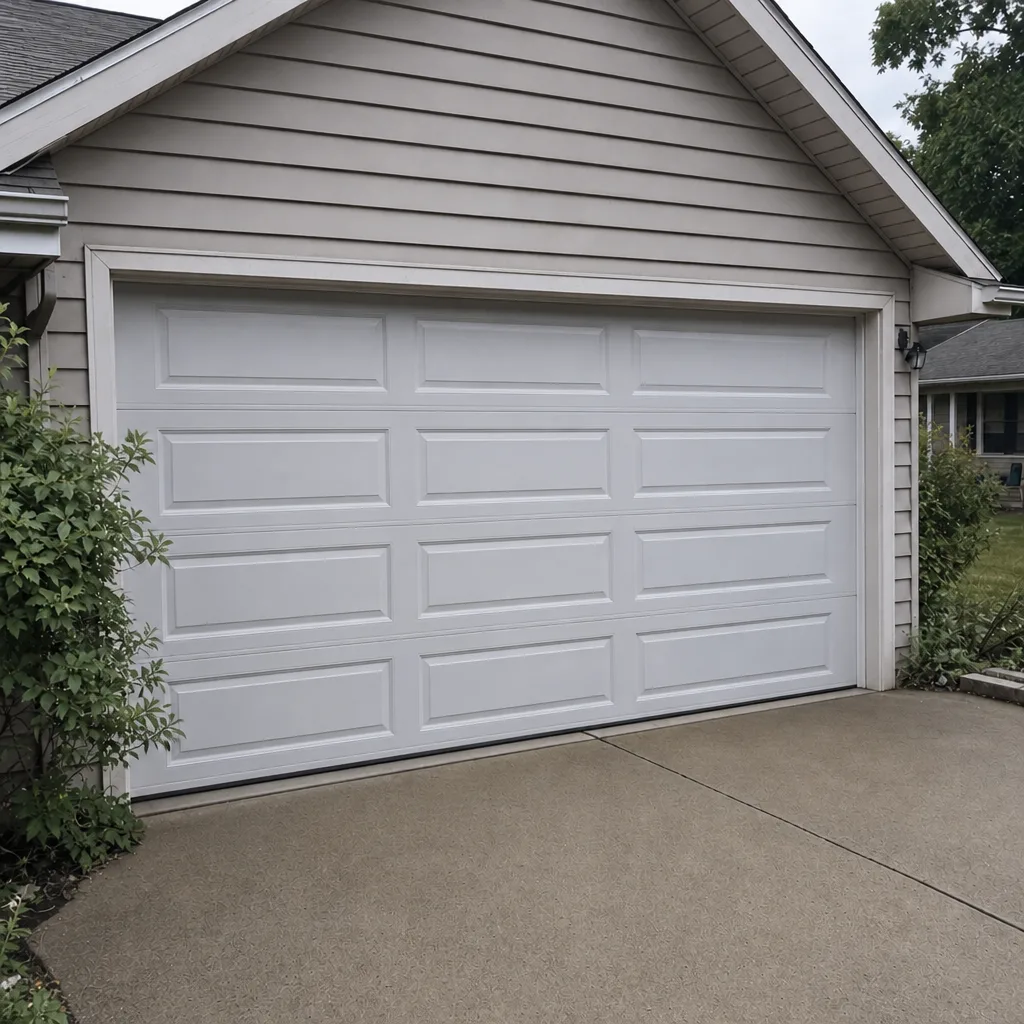
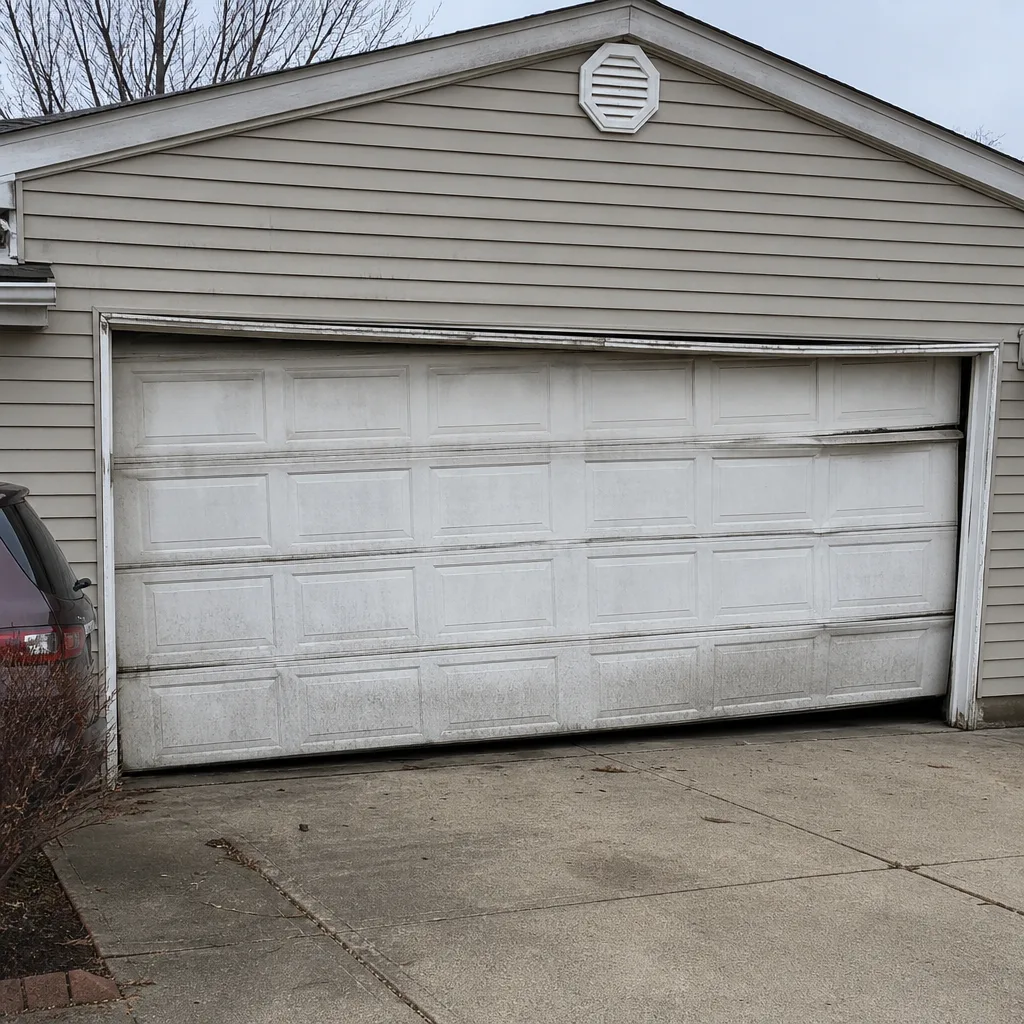
See the difference
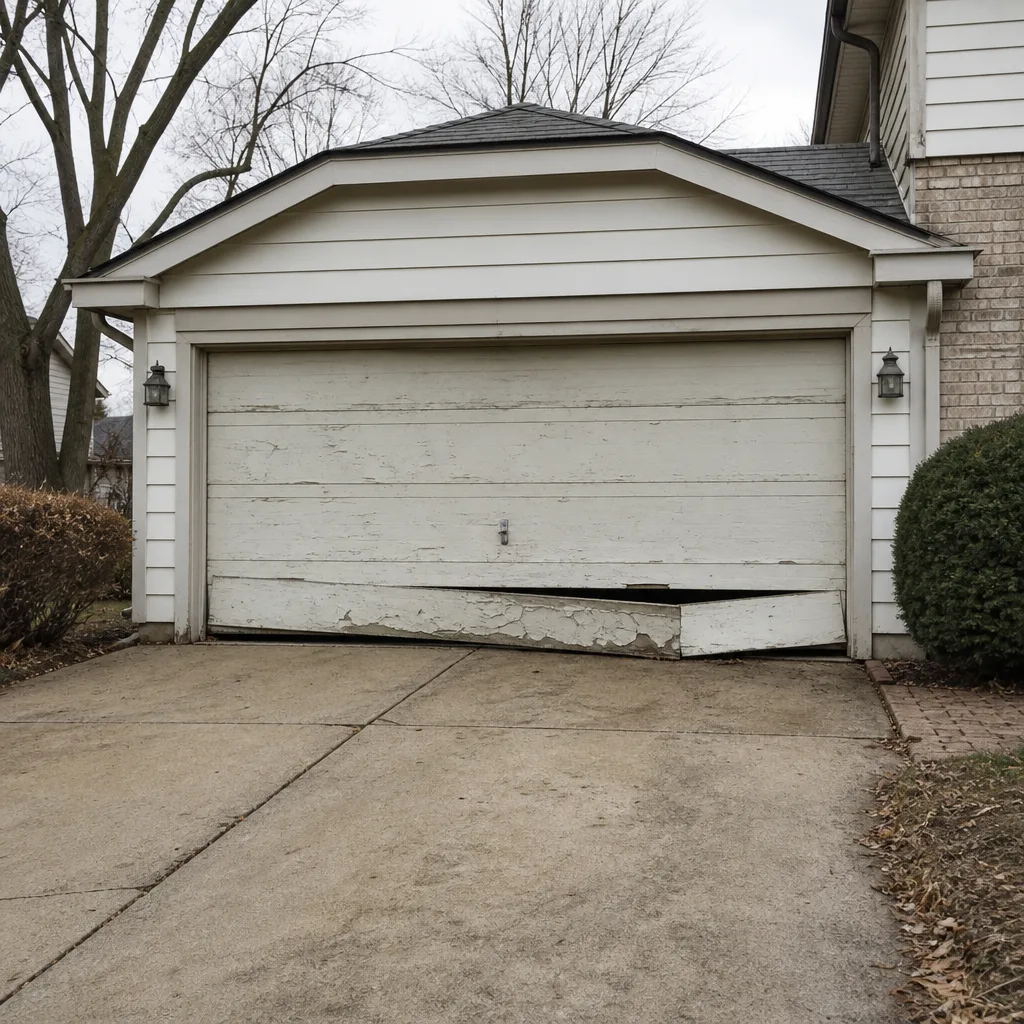 Before
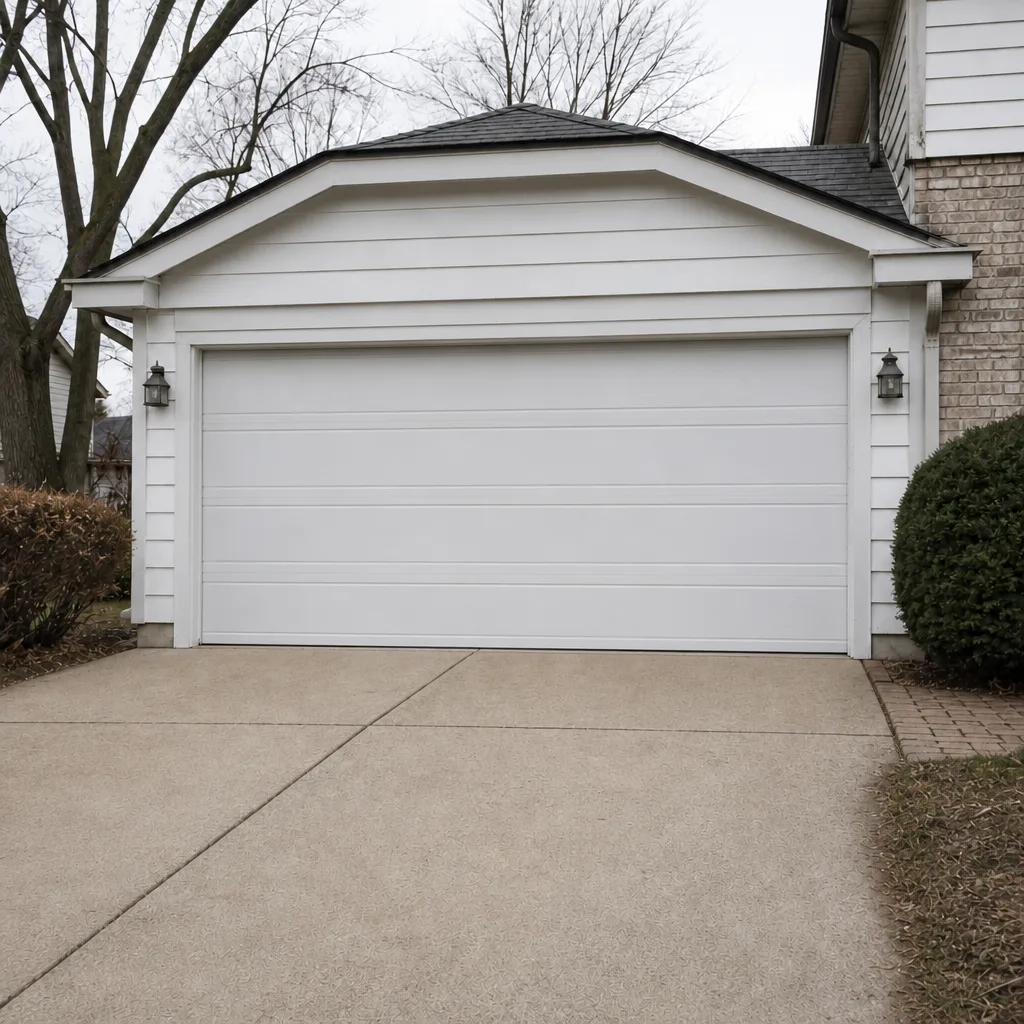 After
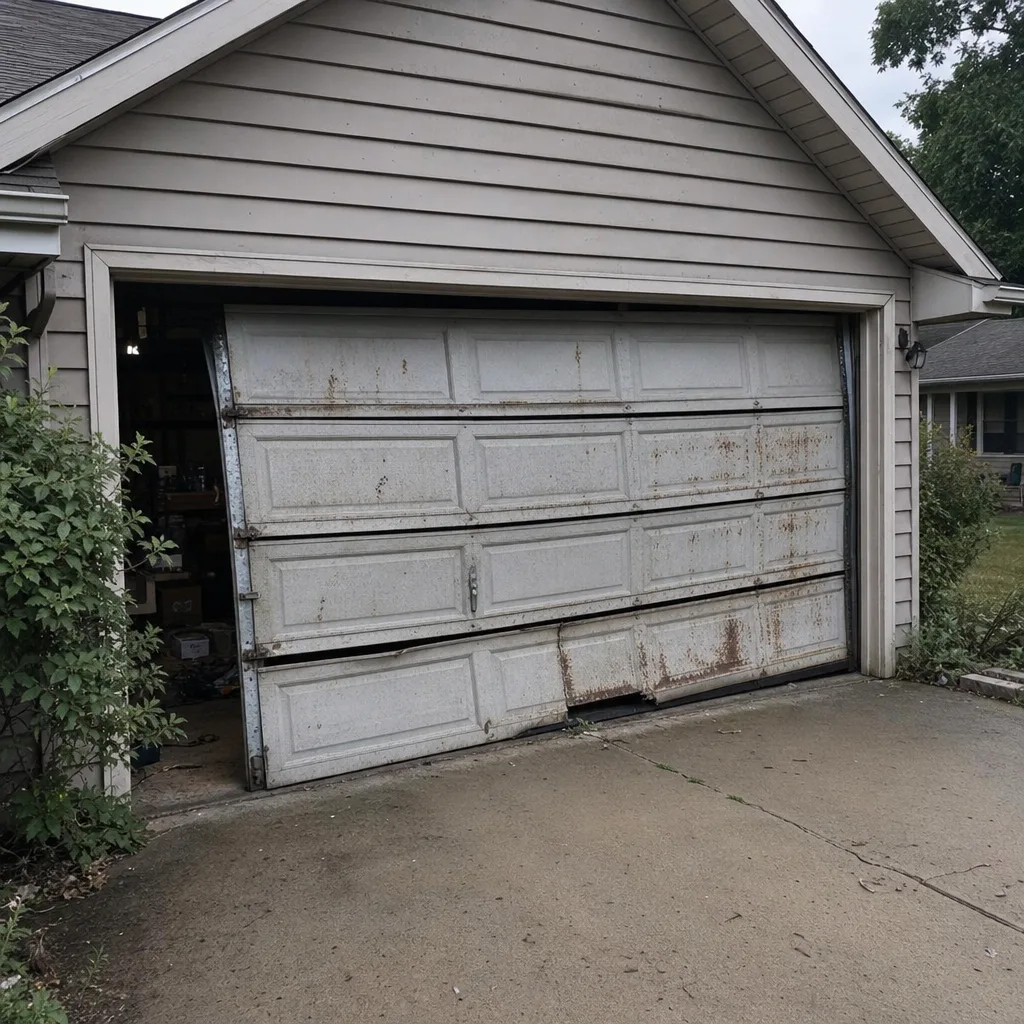 Before
 After
 Before
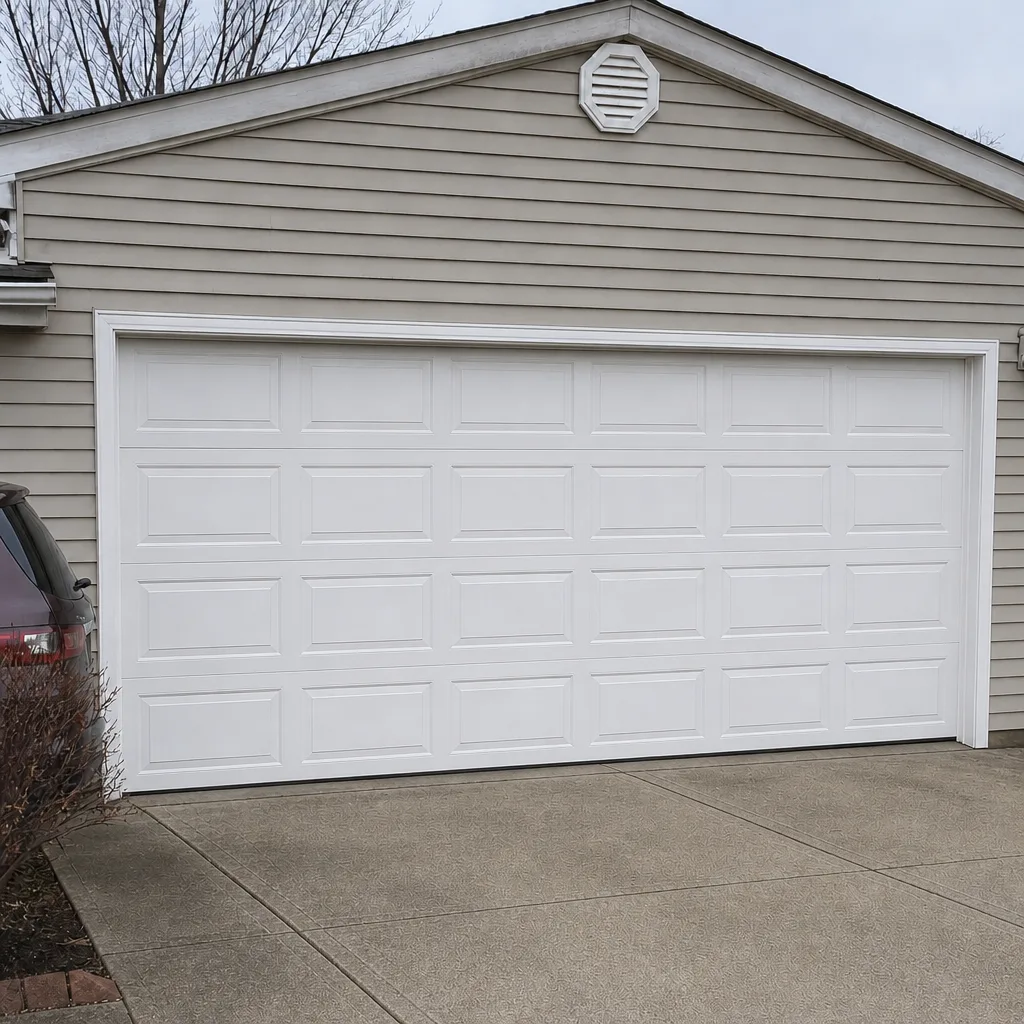 After
When to Call a Professional
Call a professional the same day when you see a spring gap, a frayed or birdcaged cable, a door off its track, or a door that won’t lift without a hand. Call within the week when you’re hearing a new grinding or popping sound, seeing worn rollers, or noticing slow or uneven travel. And call for an annual once-over if your door has been running without service for a while – it’s the cheapest maintenance you can do. Steadfast Garage Door Repair offers free estimates in Naperville – call (833) 467-3941. We answer 24/7. Fast dispatch from 7am to 7pm, Sunday through Friday. Every price is quoted and agreed before any work starts, and our technicians have up to 15 years of experience working across LiftMaster, Chamberlain, Genie, Craftsman, Clopay, Amarr, Wayne Dalton and Raynor equipment.
Frequently Asked Questions
The first reliable sign is usually a change in sound or speed, not a visible break. A door that grinds, drags or hesitates on the way down is telling you something is out of calibration or worn. If you’re seeing a spring gap or a frayed cable, that’s later in the failure cycle and you should stop using the door. Call (833) 467-3941 for a free estimate if any new symptom shows up.
Repair cost depends on the part and the access, and every job is quoted per job before work starts. A single torsion spring replacement, a set of rollers, a hinge replacement and a travel-limit calibration are all different line items, and the written estimate sets the final price. Free estimates are available – call (833) 467-3941 and we’ll give you a real quote over the phone or on-site.
We dispatch from 7am to 7pm, Sunday through Friday. If your door is in the “immediate shutdown” category – spring gap, frayed cable, or door off track – call right away and we’ll give you the soonest opening. We answer 24/7, so a call outside dispatch hours is booked into the next opening, Sunday through Friday, 7am to 7pm.
No. The written estimate is the price. We diagnose the actual issue, quote per job, and you approve the price before any work starts. A worn roller does not become a full opener replacement just because we’re on site. If something is found that you didn’t know about, we’ll show you and re-quote, and you can decide.
Yes. We’re a garage-door-exclusive company, and our technicians are state-licensed and insured. Our focus is 100% garage doors – repair, opener repair and installation – so we work on brands including LiftMaster, Chamberlain, Genie, Craftsman, Clopay, Amarr, Wayne Dalton and Raynor. Call (833) 467-3941 for a free estimate in Naperville.
No. A door with a broken torsion spring is supported by the opener motor alone, which is not built to carry that weight. Running it can burn out the motor and the door can come down without warning. Stop using the door and call a specialist. We answer 24/7 at (833) 467-3941, and if the door is stuck open, we’ll talk you through closing it by hand if that’s safe.
The Bottom Line
Garage door failures aren’t random. They’re the end of a chain of warning signs that were there for weeks: a new grind, a slow close, a hint of bouncing, a wobble in a roller. Homeowners in Naperville who learn to read those signs can replace a small part before it becomes a bigger repair. The splits in this guide are the ones that matter – shutdown symptoms versus schedule-this-week symptoms – and the documentation steps will make any service visit faster and cheaper. If a symptom has appeared, don’t sit on it. We work on what you already have, and our team handles repair, opener service and full installation under one roof. Call (833) 467-3941 for a free estimate. We answer 24/7. Fast dispatch from 7am to 7pm, Sunday through Friday. Free written estimates in Naperville and the surrounding area.
Written by the team at Steadfast Garage Door Repair.