
Last updated November 15, 2026
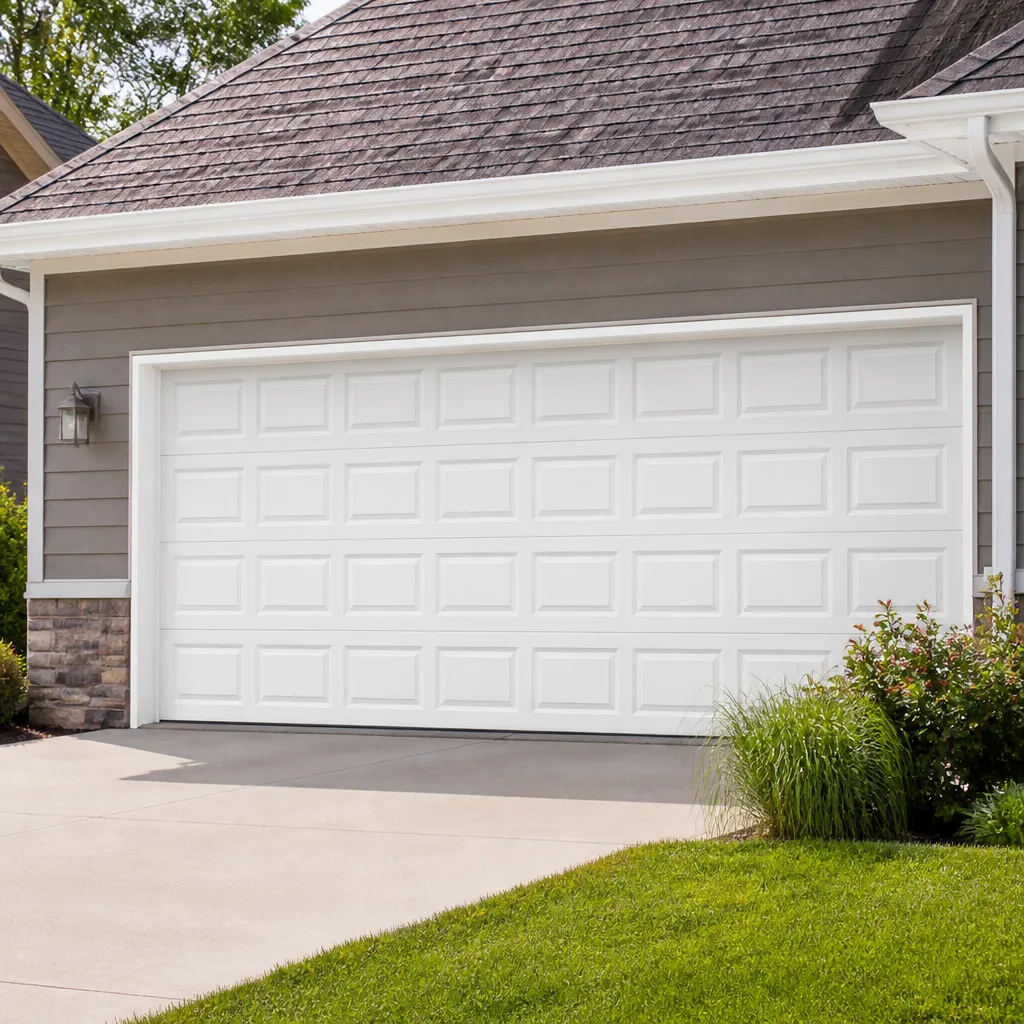 Raised-panel steel
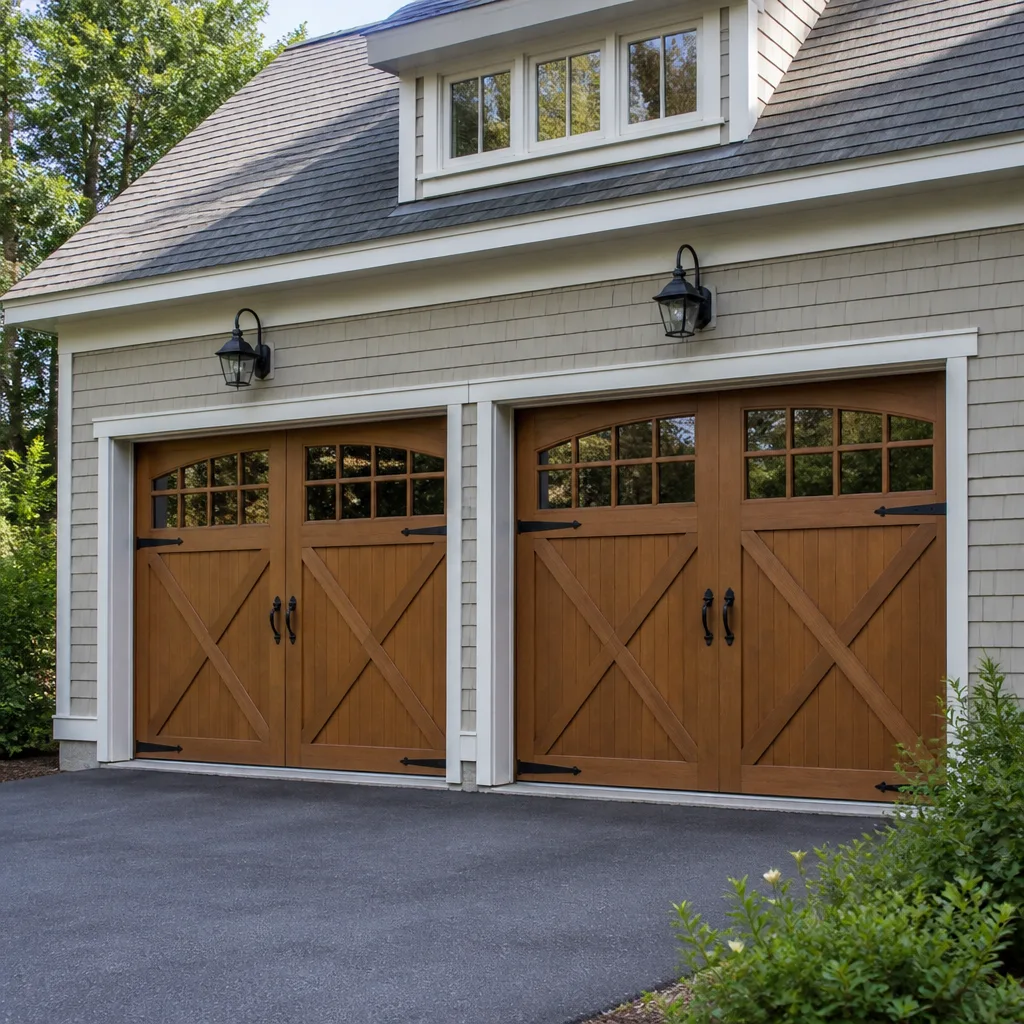 Carriage house
 Modern flush
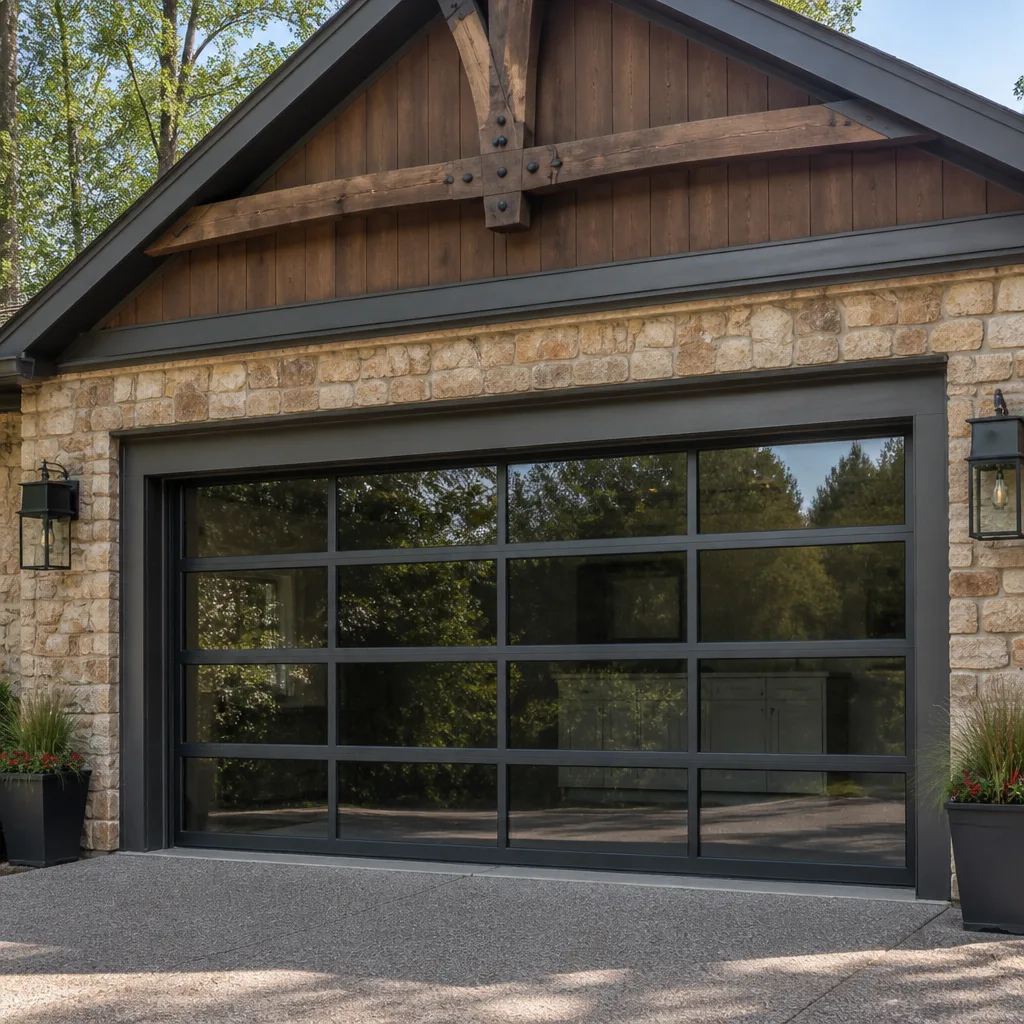 Full-view glass
 LiftMaster openers
 Chamberlain openers
Full 25-point door and opener safety check with every visit - springs, cables, rollers, tracks, and your LiftMaster or Chamberlain opener included
You get a price before we start. It does not change when the pro arrives.
Get your free estimateGarage Door Repair Maintenance Schedule: What to Do and When
Garage door rollers and garage door springs don’t wear out on the same schedule, but most maintenance checklists treat them identically. That’s why a spring still breaks six months after a “full tune-up” that only greased the hinges and called it done. Different components fail on different timelines, and a schedule that ignores that reality either over-services the parts that are fine or misses the ones about to fail. This guide breaks the garage door down part by part, gives each component its own inspection interval, and shows you how to plan ahead so you’re replacing a spring on your terms instead of dealing with a broken door at an inconvenient moment. We’ll also cover what a Naperville climate does to these parts and what you can check yourself in seconds.
Quick Answer
Inspect your garage door monthly with a quick balance and visual check, lubricate moving parts twice a year, examine cables and hardware every six months, and have springs professionally inspected annually. Rollers get replaced every two years if they’re nylon and annually if they’re steel. In Naperville, add a dedicated spring and cable check every March before heavy use season resumes, because freeze-thaw cycles stress those parts more than any other time of year. Everything else falls between those intervals depending on how often the door cycles.
Styles & brands we work with
- Raised-panel steel
- Carriage house
- Modern flush
- Full-view glass
- LiftMaster openers
- Chamberlain openers
Table of Contents
- Why One Annual Tune-Up Isn’t Enough
- Component-by-Component Maintenance Intervals
- The 10-Second Monthly Self-Check
- Lubrication: What to Use, Where, and What to Avoid
- Cumulative Cycle Math: Planning Replacement Before Failure
- Naperville’s Freeze-Thaw Cycle and Your Door
- The Full Schedule in Order
- Common Mistakes to Avoid
- When to Call a Professional
Why One Annual Tune-Up Isn’t Enough
A torsion spring that cycles four times a day and a set of nylon rollers that cycle the same four times a day do not degrade at the same rate. Springs fatigue through metal torsion. Rollers wear through surface abrasion. Cables fray from tension. Weatherstripping cracks from exposure. When a maintenance plan treats them as one unit, it assumes they all need attention on the same calendar, and they simply don’t.
The practical result is that a once-a-year “full tune-up” tends to focus on the easy, visible stuff: greasing hinges, tightening bolts, checking the balance. That’s useful. But it doesn’t tell you whether your springs are at 40 percent of their life or 90 percent. It doesn’t catch a cable that’s starting to fray internally where you can’t see it from the floor. And it doesn’t account for the fact that in Naperville, the door takes on a different kind of stress in March than it does in July.
What we’ve learned from working on garage doors across Naperville is that homeowners who understand the individual component timelines make better decisions. They’re not caught off guard when a spring finally lets go, because they knew roughly when it was due. They replace rollers before they start grinding and wearing the track. They catch cable problems at the six-month visual check instead of finding out when the door comes down crooked.
What a schedule actually buys you
- Fewer surprises: you know approximately when the spring is due for replacement.
- Cheaper repairs: catching worn rollers before they damage the track.
- Safer operation: identifying cable and spring problems before they fail.
- Longer opener life: a balanced, well-lubricated door puts less strain on the motor and rail.
- Better warranty standing: most manufacturers expect reasonable maintenance, and some void coverage when a part fails from neglect.
The rest of this guide gives you that schedule, component by component, with the intervals that actually match how each part wears.
Component-by-Component Maintenance Intervals
Here’s the core of the schedule. Each component has its own inspection or replacement timeline based on how it fails, not on a one-size-fits-all checklist. Use these as your baseline and adjust for door size, weight, and daily use.
Springs: inspect annually
Springs don’t need lubrication in most cases, and they don’t need tightening. They need a visual inspection once a year to check for gaps, stretch, rust, and any visible wear at the winding cones. A trained eye can estimate the remaining life from the coil appearance and the door’s balance. Springs are the highest-tension part of the whole system, and they’re the one component we never recommend a homeowner adjust or replace. The inspection is a look, not a hands-on job.
Rollers: replace every 2 years for nylon, annually for steel
Nylon rollers are quieter and last longer, so they get a two-year replacement cycle. Steel rollers are durable but louder and wear faster against the track, so they get an annual look-and-replace cycle. If you’re not sure what you have, look at the roller stem and wheel: a white or light-colored wheel is usually nylon, and a bare metal wheel is steel. Both types should be inspected for flat spots, wobble, and grinding at the same time. See garage door repair for how we handle roller replacement on a full service call.
Cables: visual check every 6 months
Cables run under significant tension and are the part most often overlooked. Every six months, look at the cables along the sides of the door, especially near the bottom brackets and the drum. You’re looking for fraying, kinks, rust, or slack. Cables are not a DIY replacement, and a worn cable is a call-a-professional item. This visual check is about early detection, not repair.
Weatherstripping: seasonal check, replacement as needed
Bottom seals and perimeter weatherstripping take the brunt of the seasons. Check them at the start of spring and again before winter. In Naperville, the freeze-thaw cycle tends to crack the bottom seal faster than heat alone, and a cracked seal lets in water, cold air, and pests. Replacement is inexpensive and can often be done at the same time as other work.
Hinges, bearings, and track: twice a year
Hinges and bearings get lubricated twice a year. The track should be wiped clean and checked for bends twice a year, and any loose track bolts tightened at the same time. Don’t lubricate the track itself. More on that below.
Opener: annual check
The opener is electronic, and it tends to fail for reasons unrelated to mechanical wear: a failing logic board, a stripped gear, a worn drive belt or chain, or a sensor that’s drifted out of alignment. An annual check of the opener’s force setting, safety reverse, and sensor alignment keeps small problems from becoming a dead door. If you notice the opener straining or reversing on its own, that’s an opener issue, not a door issue, and garage door opener repair covers the diagnostics.
Quick reference table
- Springs: visual inspection annually; professional replacement when cycle count nears the end of life.
- Nylon rollers: replace every 2 years.
- Steel rollers: replace annually.
- Cables: visual check every 6 months; replace on any sign of fraying or slack.
- Weatherstripping: seasonal check; replace when cracked or compressed.
- Hinges and bearings: lubricate twice a year.
- Track: clean and check twice a year.
- Opener: annual check of force and safety reverse.
The 10-Second Monthly Self-Check
Most garage door problems announce themselves before they fail. The monthly check is fast, needs no tools, and catches the three things that matter most: balance, binding, and the safety reverse.
- Disconnect the opener. Pull the manual release handle so the door moves by hand.
- Lift the door halfway. A balanced door should stay where you put it without drifting up or falling down.
- Listen. Open and close it a few times. Any grinding, squealing, or popping is worth noting.
- Watch the travel. The door should move smoothly without jerking, tilting, or catching on one side.
- Test the safety reverse. Reconnect the opener and place a small object under the door’s path. The door should reverse on contact.
- Look at the sensors. The two sensors at the bottom of the track should be aligned and their indicator lights should be steady, not blinking.
What the results mean: if the door drifts down, the springs or cables may be losing tension. If it jerks or binds, a roller or track is the likely culprit. If the reverse fails, stop using the opener and call for service, because that’s a safety function. If the sensors blink, realign them or check for an obstruction. None of these are repairs you do yourself, but they tell you whether you need to make the call now or at the next scheduled check. In our experience, homeowners who run this check monthly catch most problems at the stage where they’re a straightforward repair rather than a full door failure.
Lubrication: What to Use, Where, and What to Avoid
Lubrication is where a lot of well-intentioned maintenance goes wrong. The right product in the right place extends the life of your hardware. The wrong product in the wrong place attracts dirt, gums up the mechanism, and creates problems you didn’t have before.
Use on these parts
- Hinges: a light white lithium grease or a silicone spray designed for garage door hardware.
- Bearings and the torsion shaft: white lithium grease, applied sparingly.
- Roller stems: a few drops of light machine oil or silicone, not grease, so it doesn’t collect dust.
- Opener rail or screw drive: the lubricant specified by the opener manufacturer. Genie and Chamberlain each specify different products, and using the wrong one can void the warranty.
Do NOT use or NOT put it here
- WD-40 on the springs. This is the most common mistake. WD-40 is a solvent and light oil, not a lasting lubricant, and on springs it can attract grit that works into the coils. Springs don’t need oil; they need inspection.
- Grease on the track. The track should stay clean and dry. Grease on the track collects dust, dirt, and debris from the garage floor and turns the track into a grinding surface. Wipe the track clean with a dry cloth instead.
- Oil on the cables. Cables don’t need lubrication, and oil can attract grit that masks early wear. Inspect them instead.
- Heavy grease on nylon rollers. It softens some nylon compounds and attracts debris. Use only a light oil, if anything.
How often: twice a year for hinges, bearings, and roller stems. If your garage doubles as a workshop and sees a lot of dust, you may want to lubricate the hinges and bearings a bit more often and clean the track whenever it looks dirty. Lubrication is quick, but it’s worth doing correctly: a small amount of the right product beats a heavy coat of the wrong one every time.
Cumulative Cycle Math: Planning Replacement Before Failure
Springs are rated by cycle count, not by years. A cycle is one full open-and-close. A typical standard torsion spring is rated for a set number of cycles, and heavier, high-cycle springs last longer. The exact figure depends on the spring, but the principle is what lets you plan ahead.
Here’s the math. Start with how many times your door opens and closes on an average day. A household that comes and goes a few times a day with a couple of cars might cycle the door four to six times. A household where someone works from home or the door is the main entry might cycle it eight to ten times. Multiply that by 365. A door that cycles six times a day hits roughly 2,190 cycles a year. A door that cycles ten times a day hits about 3,650.
Now you can place the door on its lifespan. If your spring is rated for 10,000 cycles and the door cycles six times a day, you’re looking at something close to four and a half years of expected life. At ten cycles a day, that’s closer to two and a half to three years. A higher-rated spring pushes that window out, sometimes considerably. The point isn’t to predict a failure date to the day; it’s to know roughly which year the spring is likely to give out, so you can arrange replacement instead of waking up to a door that won’t open.
Springs are under extreme tension. We never recommend a homeowner attempt to replace or adjust one, and we don’t provide step-by-step instructions for it because the risk of serious injury is real. What we will do is check a spring’s condition and estimate its remaining life during a service visit. If your cycle math suggests the spring is nearing the end of its expected life, that’s the moment to plan a replacement rather than wait for it to fail.
The same idea applies to openers. An opener’s mechanical life is also cycle-driven, and a door that runs ten times a day will wear out a drive belt or gear faster than one that runs twice. If you’re already tracking cycles for the spring, you’re getting information about the opener for free.
Naperville’s Freeze-Thaw Cycle and Your Door
Garage doors in Naperville live through a seasonal swing that stresses different parts at different times. Winters bring repeated freeze-thaw cycles. Water works into small gaps, freezes, expands, and then thaws, and that cycle pries at joints, seals, and hardware. Springs and cables take more load in cold weather because metal contracts and lubrication thickens. The door itself moves less freely in the cold, which puts more strain on the opener.
That’s why we recommend a dedicated spring and cable check every March, right before the door starts seeing heavier daily use as the weather turns. The check catches the wear that a winter of freeze-thaw may have caused and gives you a clear picture before the busy season. It’s a Naperville-specific adjustment to the generic schedule, and it’s the single most useful local change you can make.
The rest of the year follows the same logic. A summer check is a good time to look at the bottom seal and weatherstripping, since the heat can dry and crack rubber that froze and thawed all winter. The fall check is the moment to look at the track, hardware, and opener before the cold sets in. If you’re bringing the door through a Naperville winter, you’re asking it to handle temperature swings that a door in a milder climate never sees, and the schedule should reflect that.
Homes across Naperville, from the older neighborhoods near downtown to the newer subdivisions on the city’s edges, all face the same seasonal pattern. The specifics of the door differ, but the freeze-thaw pressure is shared. That’s why our March recommendation sits in the same place on the calendar for nearly every door we look at in town.
The Full Schedule in Order
Here’s the complete schedule assembled into a single reference. Treat it as the baseline and adjust for your door’s age, brand, and daily use. If you want a professional to walk through it with you, a free estimate is the place to start, and the team at Steadfast Garage Door Repair works on the major brands you’re likely to own, including Genie, Clopay, Amarr, Wayne Dalton, LiftMaster, Chamberlain, Craftsman, and Raynor.
- Every month: Run the 10-second self-check. Test balance, listen for noise, watch the travel, and test the safety reverse.
- Every 6 months: Visually check the cables for fraying, kinks, or slack. Lubricate the hinges, bearings, and roller stems. Wipe down the track and check for bends.
- Every spring (March in Naperville): Have the springs and cables checked by a professional before heavy use season. Look at the bottom seal for winter damage.
- Every fall: Check the weatherstripping and bottom seal. Tighten any loose track hardware. Test the opener’s force and safety reverse. Confirm the sensors are aligned.
- Every 2 years: Replace nylon rollers. If you have steel rollers, replace them annually instead.
- Annually: Have the springs inspected. Review your cycle math to estimate remaining spring life. Check the opener for unusual strain, and have the drive belt or chain looked at.
- As needed: Replace weatherstripping when it cracks or loses its seal. Address any grinding, jerking, or reversing problem as soon as you notice it.
Two numbered lists, one monthly cycle and one annual, cover the whole year. The value of writing it down is that you stop treating maintenance as a single event and start treating it as a rotating set of checks, each on its own interval. That’s the shift that prevents the surprise spring failure six months after a tune-up.
Common Mistakes to Avoid
- Treating tune-ups as a single annual event. A once-a-year visit that greases hinges and calls it done misses the components on longer or shorter cycles. Break the schedule apart so each part gets checked when it actually needs it.
- Using WD-40 on springs. It’s a solvent, not a lasting spring lubricant, and it attracts grit. Springs need inspection, not oil, and the inspection is a professional’s job.
- Greasing the track. A greased track collects dirt from the garage floor and wears the rollers faster. Keep it clean and dry.
- Ignoring cables until they fail. Cables fray from the inside out. A six-month visual check catches most problems long before a cable snaps and the door comes down crooked.
- Never doing the cycle math. If you don’t know roughly how many times your door opens a day, you can’t estimate when the spring is due. Spend two minutes counting cycles for a week and you’ll have a working estimate.
- Skipping the Naperville March check. The March spring and cable check is the single best local adjustment. A hard winter followed by a busy spring is exactly when a tired spring gives out.
- Assuming every use needs every part serviced. Over-servicing is a real cost. A steel-roller door doesn’t need nylon-roller treatment, and a low-cycle door doesn’t need the same attention as a busy one. Match the schedule to the door.
- Ignoring the opener because the door still works. A strained opener can run for months before it fails, and by then the rail or gear may be damaged. Address abnormal noise or reversing early.
When to Call a Professional
Some checks you can run yourself. Some repairs you should never attempt. The dividing line is clear: anything involving springs or cables goes to a trained technician, and any safety-reverse failure or door that binds, jerks, or comes down crooked is a call for professional service. If the door won’t open at all, if a spring shows a visible gap, if a cable is frayed or slack, or if the opener reverses on its own or strains audibly, those are all signs that a pro should look at it. Roller replacement, weatherstripping replacement, and lubrication are the tasks a careful homeowner can handle, but even those benefit from a professional eye on the rest of the system at the same time.
Steadfast Garage Door Repair offers free estimates in Naperville and works on garage doors exclusively, so the technician looking at your door knows the equipment you have. We handle repair, opener service, and installation, and our technicians have up to 15 years of experience. Call (833) 467-3941. We answer 24/7. Fast dispatch from 7am to 7pm, Sunday through Friday. If a call comes outside dispatch hours, we book it into the next opening. The price is quoted and agreed before any work starts, and the written estimate sets the final price.
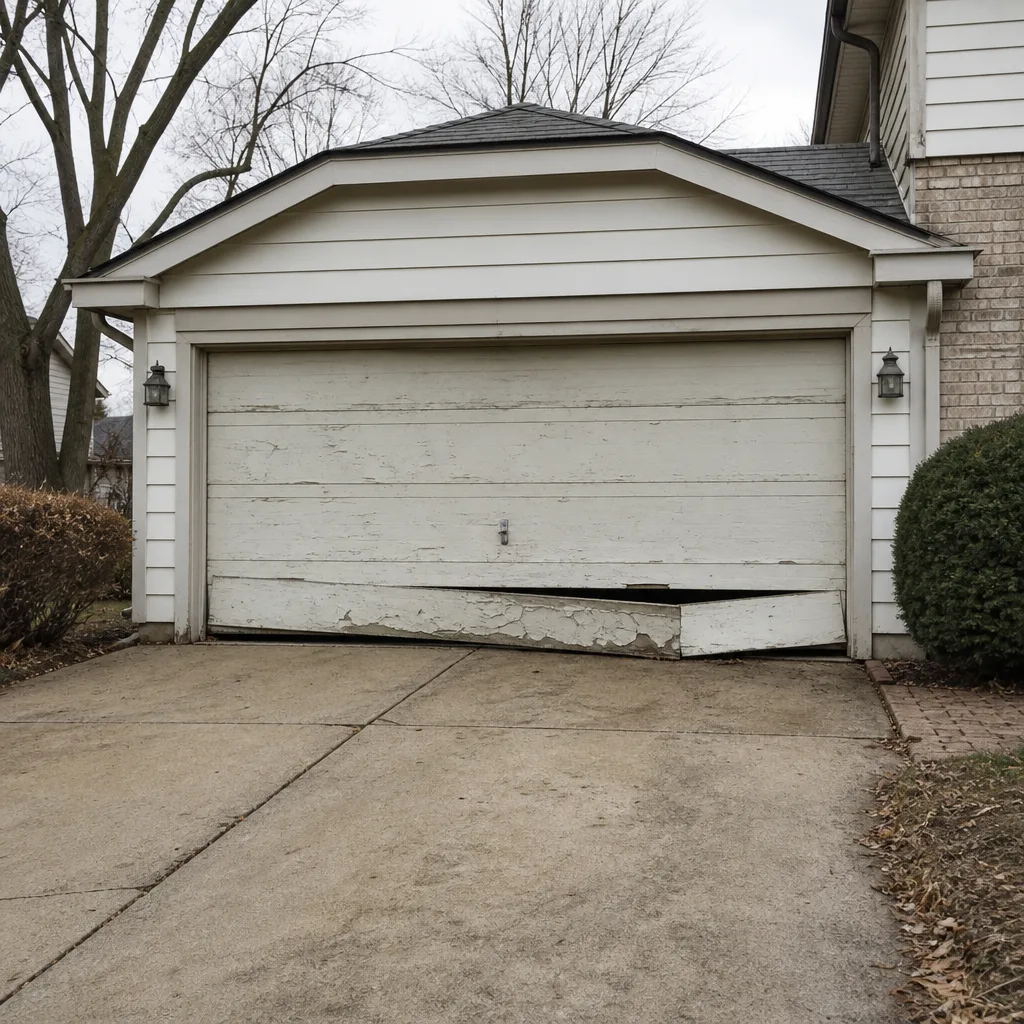
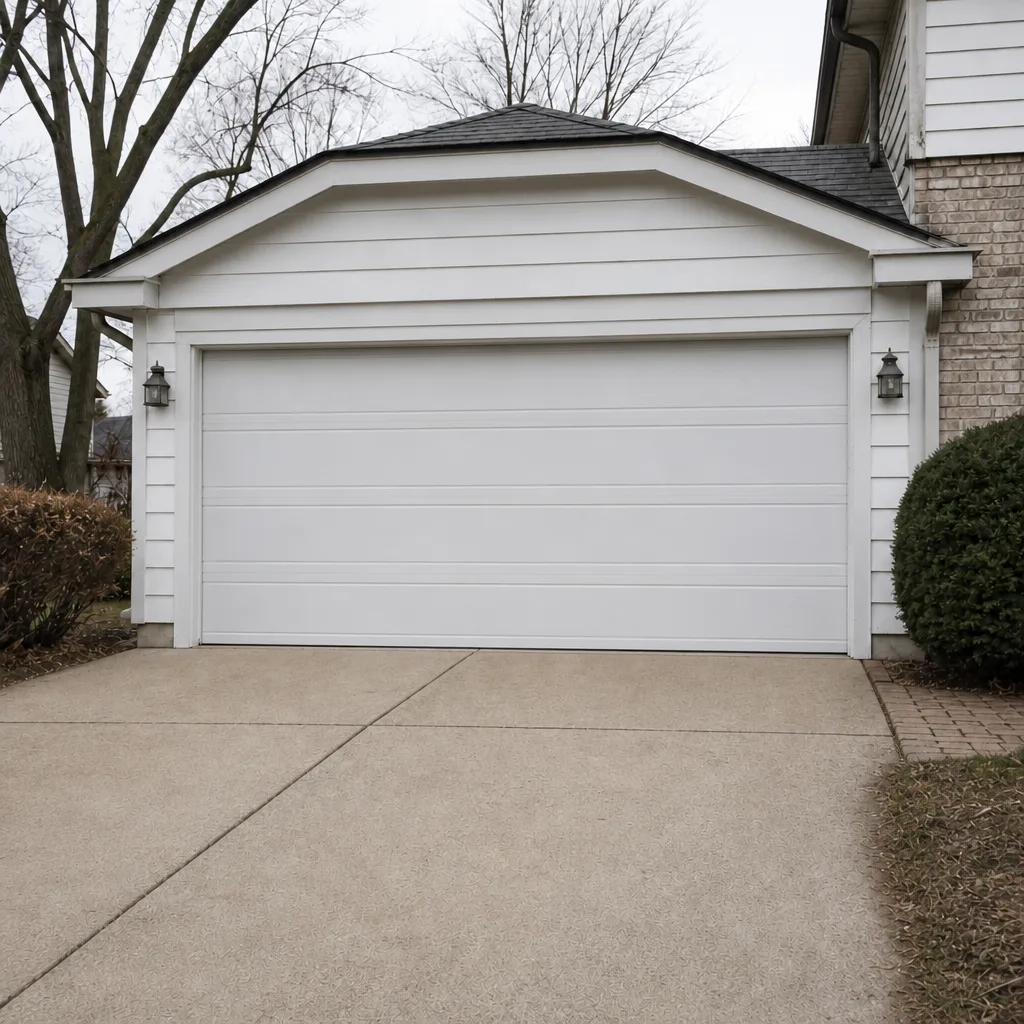
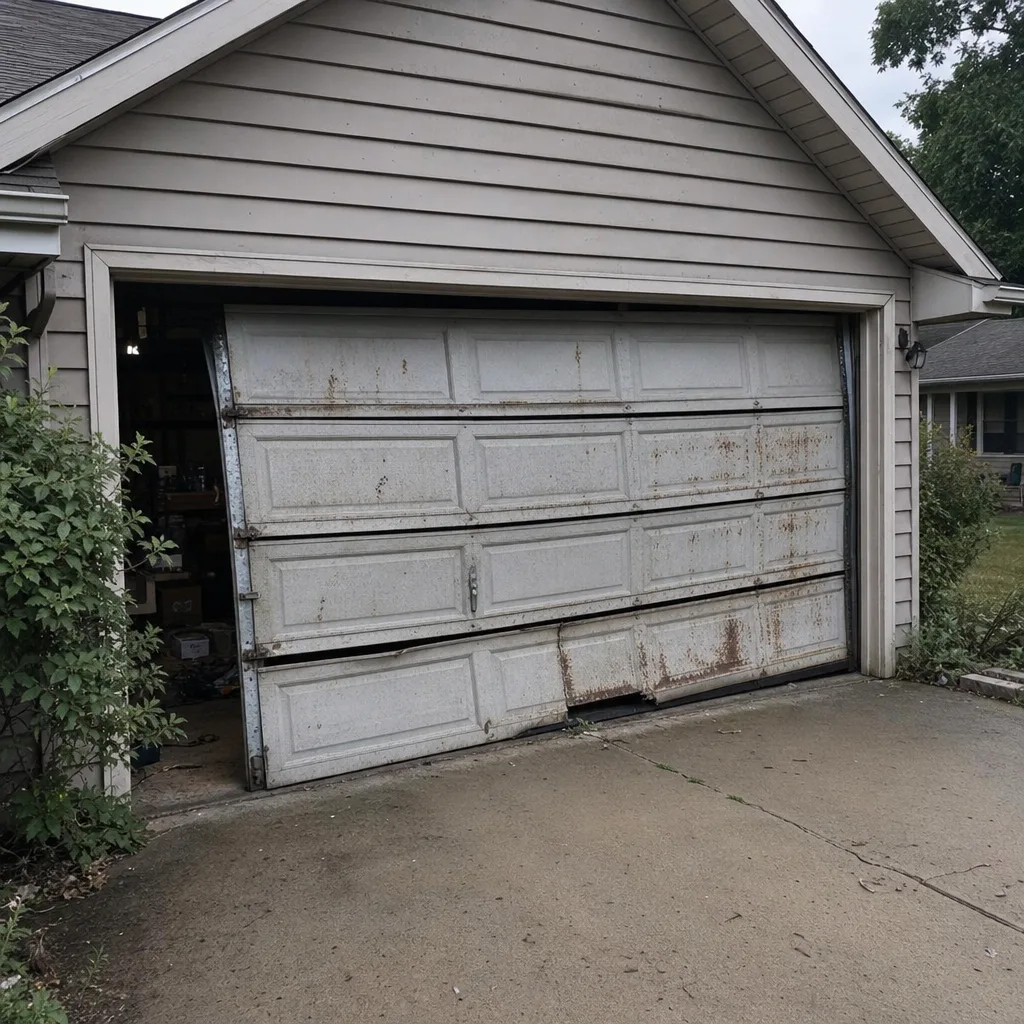
See the difference
 Before
 After
 Before
 After
 Before
 After
Frequently Asked Questions
A garage door should get a quick self-check monthly, lubrication and a cable inspection every six months, an annual professional spring and opener inspection, and roller replacement on the interval that matches the roller type. There’s no single “service interval” that covers every part, because springs, rollers, cables, and weatherstripping all wear on different timelines. Break the schedule into component-specific checks and you’ll stay ahead of failures. Call (833) 467-3941 for a free estimate if you’d rather have the whole schedule walked through in person.
Springs are rated by cycle count, not by years, so lifespan depends on how often your door opens and closes. A standard spring on a door that cycles a few times a day may last several years; a high-cycle spring on a low-use door can last considerably longer. Estimate your daily cycles, multiply by 365 to get your annual cycles, and compare that to the spring’s rating to place it on its timeline. Have a professional inspect the springs annually and plan replacement before the expected end of life. Call (833) 467-3941 for an exact assessment.
Naperville’s freeze-thaw cycles stress springs, cables, and seals in a way that milder climates don’t. Water works into small gaps, freezes, expands, and then thaws repeatedly through the winter, which pries at hardware and accelerates wear. A dedicated spring and cable check every March, before heavy use season resumes, is the single best local adjustment to the general schedule. Homes across Naperville, from the older downtown neighborhoods to the newer subdivisions on the edges, all see the same seasonal pattern. Call (833) 467-3941 to schedule a March check.
No, garage door springs should not be replaced by a homeowner. They’re under extreme tension and can cause serious injury if handled without the right training and tools. Visual checks and cycle-count estimates are safe to do yourself, but replacement and adjustment are a trained professional’s job. If your spring shows a gap, is rusted, or is near the end of its rated life, that’s the moment to call a technician rather than attempt it. Our technicians have up to 15 years of experience with brands including LiftMaster, Chamberlain, Genie, Clopay, Amarr, Wayne Dalton, Craftsman, and Raynor. Call (833) 467-3941.
Use white lithium grease on hinges, bearings, and the torsion shaft, and a light machine oil or silicone on roller stems. On the opener rail or screw drive, use whatever the manufacturer specifies, since Genie and Chamberlain each call for different products. Never use WD-40 on springs, never grease the track, and don’t oil the cables. A small amount of the right product in the right place is what extends the life of the hardware. Call (833) 467-3941 for a free estimate if you’d like a professional to lubricate and inspect the system correctly.
My door is in Naperville, and it’s February. Should I wait for March to check the springs?
Don’t wait. If you’re already hearing grinding, seeing a gap, or noticing the door is off balance, have it checked now rather than in March. The March check is the scheduled version; any of those signs is a reason to move the inspection forward. Springs can fail in cold weather as much as in the spring thaw, and the earlier a worn spring is caught, the more you have planned it rather than reacted to it. Call (833) 467-3941 and we’ll take a look.
The Bottom Line
The right garage door maintenance schedule is component-specific, not a single annual event. Springs get an annual inspection and a cycle-count plan. Nylon rollers get replaced every two years, steel rollers annually. Cables get a visual check every six months. Weatherstripping is a seasonal item. Lubrication is twice a year, done with the right products in the right places. In Naperville, a March spring and cable check catches what the freeze-thaw winter leaves behind. Match the schedule to the part, do the 10-second monthly check, and plan replacement based on cycle math rather than reacting to a failure. If you’d rather have a professional walk the schedule with you, that’s what we’re here for.
Steadfast Garage Door Repair works on garage doors exclusively, and we handle repair, opener service, and installation under one company, so there’s no handoff between the person who fixes the door and the person who replaces the opener. We work on the major brands, including Genie, Clopay, Amarr, and Wayne Dalton, and our technicians have up to 15 years of experience. Free estimates are available in Naperville. Call (833) 467-3941. We answer 24/7. Fast dispatch from 7am to 7pm, Sunday through Friday. The price is quoted and agreed before any work starts, and the written estimate sets the final price.
Written by the team at Steadfast Garage Door Repair.