
Last updated November 15, 2026
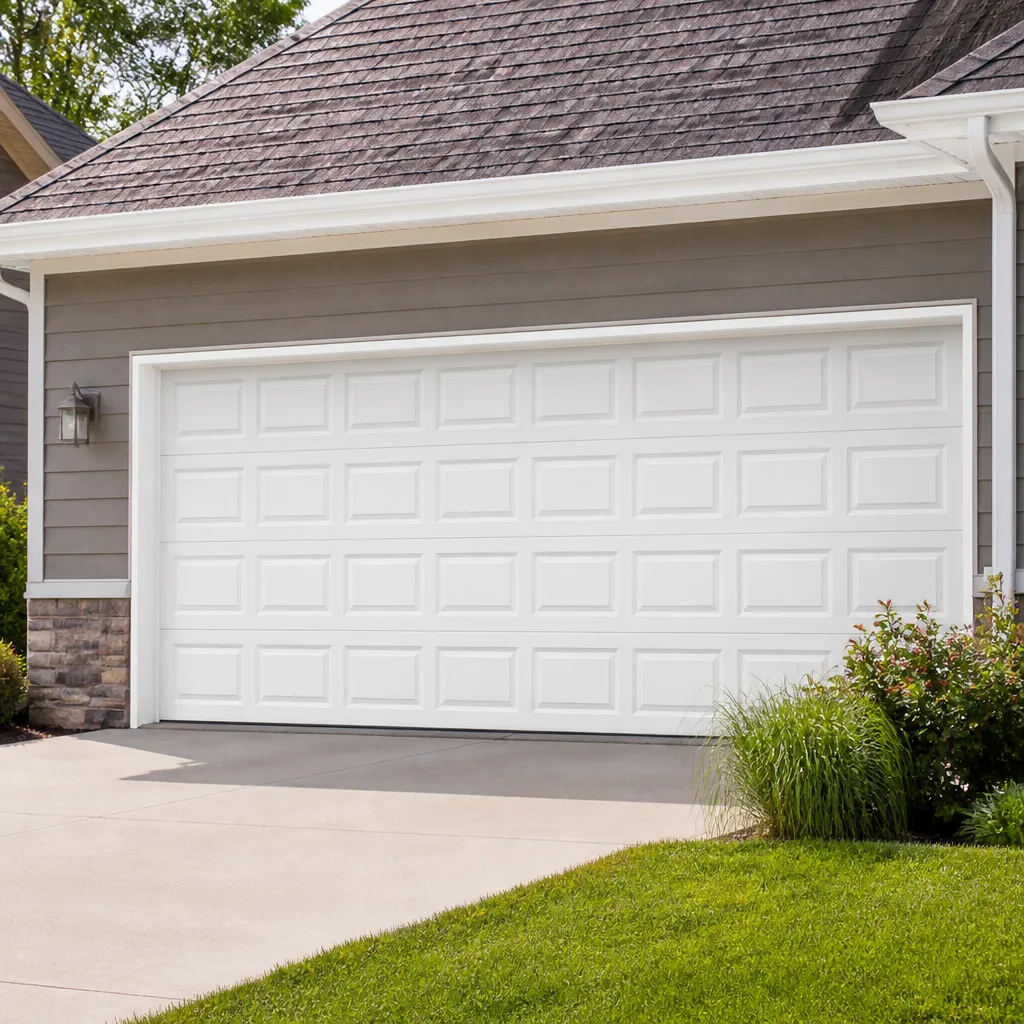 Raised-panel steel
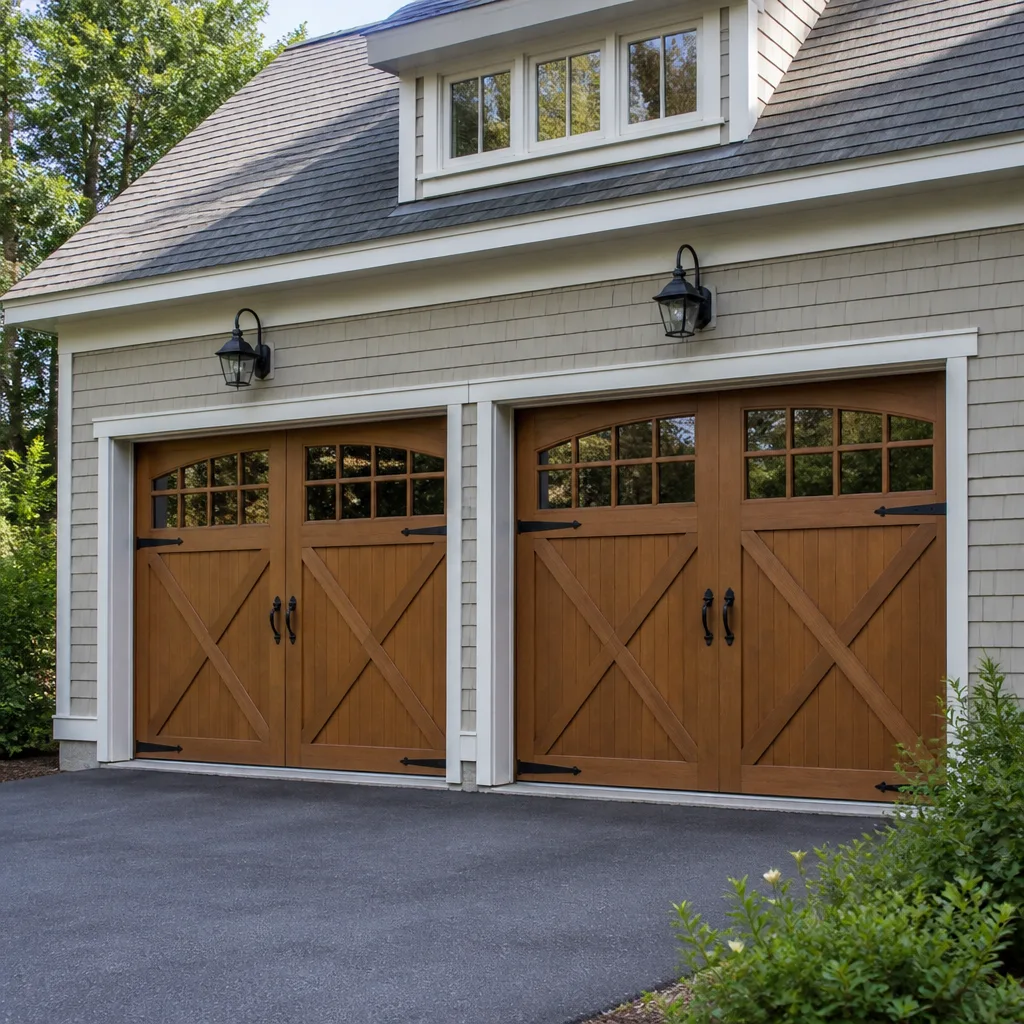 Carriage house
 Modern flush
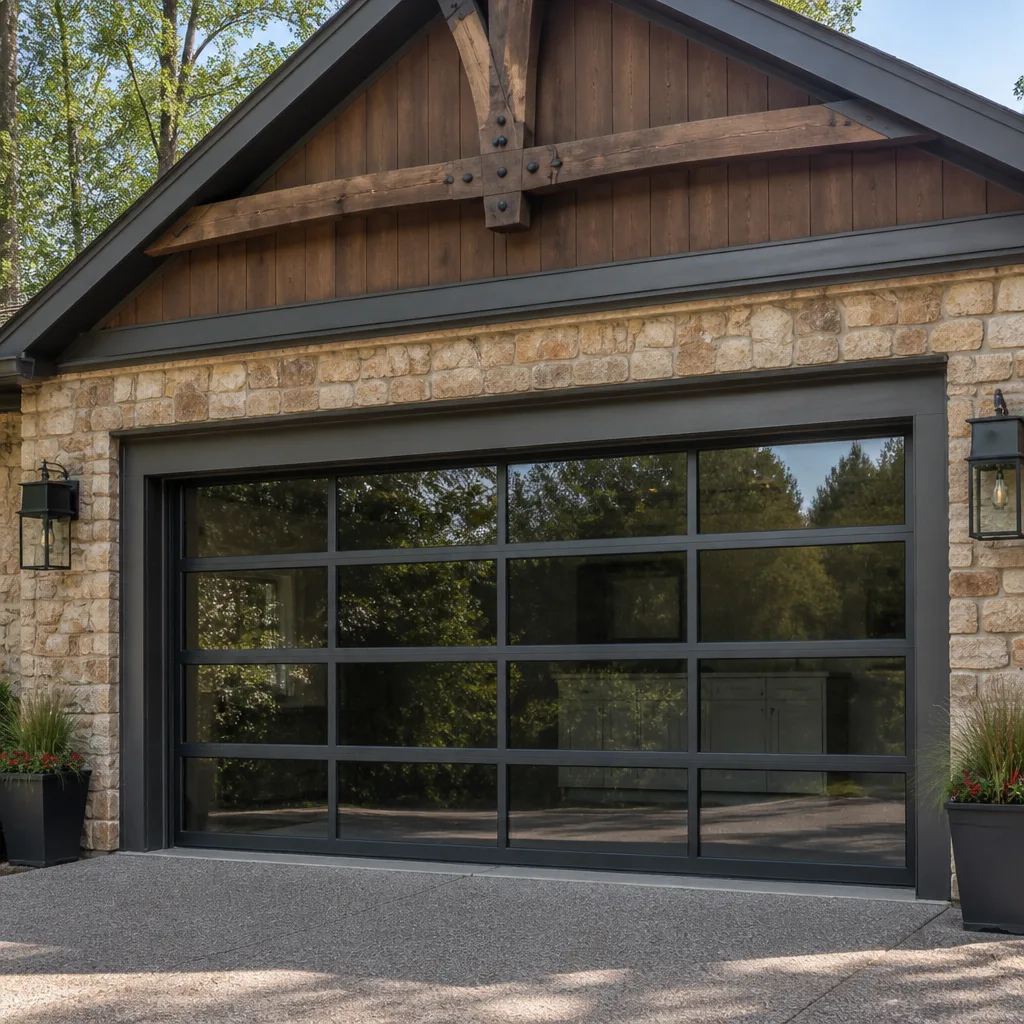 Full-view glass
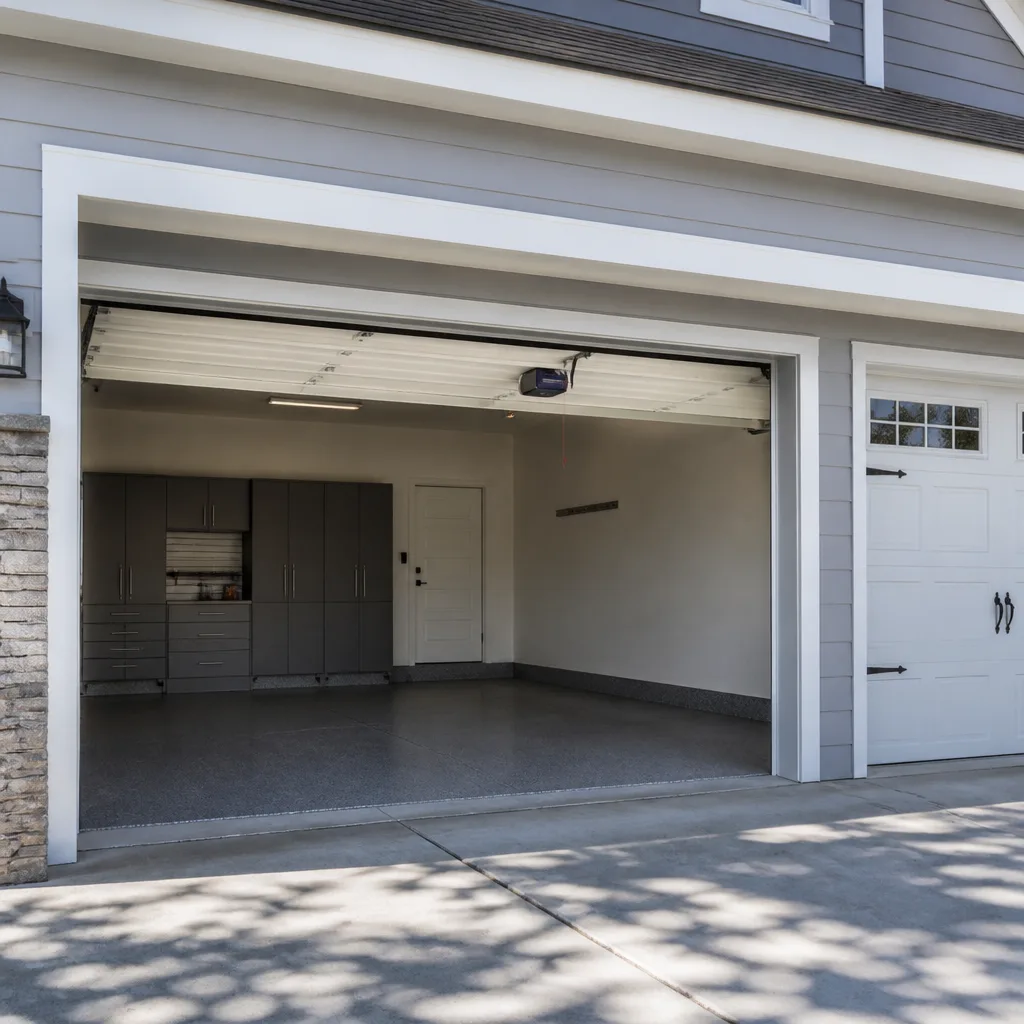 LiftMaster openers
 Chamberlain openers
Full 25-point door and opener safety check with every visit - springs, cables, rollers, tracks, and your LiftMaster or Chamberlain opener included
You get a price before we start. It does not change when the pro arrives.
Get your free estimateGarage Door Permits, Codes & Inspections in Naperville, IL: What You Need to Know
Most Naperville homeowners assume a garage door replacement is a no-permit job. Often they’re right. Often enough, though, they’re wrong, and the gap between “usually fine” and “this one needs a permit” is where resale deals stall and insurance questions get uncomfortable. The difference rarely comes down to the door panels themselves. It usually comes down to the opener, the electrical circuit feeding it, or the wall between an attached garage and the rooms you live in. This guide walks through when Naperville actually requires a permit for garage door work, what Illinois residential code says about the garage-to-house separation, how an inspection runs, and how to confirm a contractor pulled the permit they said they would.
Quick Answer
In Naperville, a straight like-for-like garage door replacement usually does not need a building permit. Projects that change the door’s size, add or alter framing, replace or rewire an opener on an existing circuit, or touch the fire separation between an attached garage and the living space generally do require one. When in doubt, call the City of Naperville’s building department before work starts: their answer is the one that matters.
Styles & brands we work with
- Raised-panel steel
- Carriage house
- Modern flush
- Full-view glass
- LiftMaster openers
- Chamberlain openers
Table of Contents
- Which Garage Door Projects Need a Permit in Naperville?
- What Illinois Residential Code Says About the Garage and Living Space
- Why an Opener Replacement Can Trigger an Electrical Requirement
- How a Garage Door Inspection Actually Works in Naperville
- The Resale and Insurance Consequences of Unpermitted Work
- How to Verify Your Contractor Pulled the Permit
- Working With a Contractor on Permitted Garage Door Work
- Naperville Housing Stock and What It Means for Your Project
Which Garage Door Projects Need a Permit in Naperville?
The general dividing line is whether the work is like-for-like replacement or a change to the structure, the electrical system, or the fire separation. A same-size door swapped for a new one of the same dimensions, hung on the same tracks, in the same opening, is normally treated as maintenance and does not require a building permit. The moment the scope changes, the permit question changes with it.
Projects that typically require a permit in Naperville include:
- Enlarging or reducing the rough opening, which means cutting framing, adding a header, or altering the wall structure.
- Converting a garage door opening into a wall or a window, or the reverse.
- Adding a new electrical circuit or outlet for an opener where none existed, or relocating the existing circuit.
- Replacing a solid-core or unrated door between the garage and the house with something that changes the fire rating.
- Structural repairs after impact damage to the tracks, header, or surrounding framing.
Projects that are usually treated as like-for-like and do not need a permit:
- Replacing door panels, springs, cables, rollers, hinges, or tracks with matching parts.
- Replacing an opener on an existing circuit with a unit of the same type and voltage, no new wiring.
- Routine adjustments or safety-reverse testing.
None of this is a legal determination, and Naperville’s building department makes the call on your specific address. Plans examiners look at scope, not labels. If you’re replacing a 16-foot door with a 16-foot door and reusing the opener wiring, most counters will tell you no permit is needed. If the new door is a different size, or the opener needs a new dedicated circuit, expect to file. The same logic applies to older Naperville homes where the original opener wiring is cloth-insulated or undersized.
If you’re unsure which category your project falls into, that’s a good reason to call before signing anything. We can help you scope the work correctly, and if the answer is “yes, permit,” we plan the project around it. garage door repair scoping, in our experience, goes smoother when the permit question is settled first.
What Illinois Residential Code Says About the Garage and Living Space
Illinois adopts the International Residential Code (IRC) for one- and two-family dwellings, and Naperville enforces it at the local level. The IRC has a specific requirement that catches homeowners off guard: a wall separating an attached garage from the living space must provide a fire separation. The door between the garage and the house must be a solid wood door at least 1-3/8 inches thick, a solid or honeycomb-core steel door at least 1-3/8 inches thick, or a 20-minute fire-rated door. The garage side of that wall is also required to be finished with a material that meets a minimum fire rating, typically 1/2-inch gypsum board.
Two practical consequences follow.
- If your house door between the garage and the living space is hollow-core, thin, or a lightweight panel, it may not meet the current separation standard, regardless of what the garage door looks like.
- If a contractor replaces that house-to-garage door during a garage project, the inspector will check the rating, the self-closing hardware, and whether penetrating items in the wall are protected.
This matters in Naperville because much of the housing stock predates current adoption of the code. A 1970s ranch off Washington Street may have a compliant 20-minute door, or it may have a hollow-core door installed during a 1990s remodel. Neither is automatically a problem, but if the door is being touched during a project, the inspector expects it to come back to standard. You don’t need to over-engineer a simple panel swap. You do need to know what the wall between your car and your kitchen is actually made of.
One more piece that gets missed: the IRC also addresses garage door safety features that localities sometimes inspect separately. Automatic reverse on obstruction, photoelectric safety sensors near the floor, and a manual release on the opener are standard. If the opener is being replaced, those features come with the new unit. If the opener is being rewired as part of a permitted project, the inspector will check that the sensors are present and functional.
Why an Opener Replacement Can Trigger an Electrical Requirement
This is the piece most homeowners don’t see coming. Replacing an opener on the existing wiring is usually a straight swap, no permit required. The trigger isn’t the opener itself. It’s the circuit.
Older Naperville homes often have a garage opener wired into the same circuit as the garage lighting or the outdoor outlet. Some of these runs use two-conductor cable without a ground, or an undersized wire that worked fine for a 1980s opener but doesn’t meet current National Electrical Code (NEC) standards for a modern unit. When a permitted project requires the electrical inspector to look at that circuit, they check whether it’s protected properly, whether it’s grounded, and whether the breaker and wire gauge match the load. If they don’t, the answer is often to bring the circuit up to current standard, not just to swap the opener.
What that means in practice:
- Replacing an opener with no other electrical work: typically no permit, no electrical inspection.
- Replacing an opener and adding a dedicated circuit, moving the circuit, or extending wiring: usually a permit, and possibly a separate electrical permit.
- Replacing an opener during a permitted structural project that touches the garage walls: the electrical inspector will likely review the opener circuit as part of the job.
Legacy openers on Genie or Craftsman units from the 1990s are the most common case where this comes up, because the wiring that served them often predates a modern grounded circuit. That doesn’t mean the project becomes a full rewire, but the electrician and the inspector need to know what’s there before work begins. We’ve seen enough of these in Naperville to recognize the signs during the first visit: a garage outlet with no ground tester pass, conduit that ends in a junction box with no cover, opener wiring stapled along a joist with no staple spacing. Each is a conversation the customer deserves to have before the crew shows up, not after an inspector says the circuit isn’t ready.
How a Garage Door Inspection Actually Works in Naperville
An inspection on permitted garage door work is shorter than most homeowners expect, but it’s physical. The inspector comes out in person for a final inspection, and what they look at falls into a handful of categories.
- Structural confirmation. The rough opening matches the approved plan. Framing, header, and flashing are in place and accessible to inspect. Sometimes the inspector asks for a framing inspection before the door goes on.
- Door and hardware installation. The door is hung plumb, tracks are secured to structure (not just drywall), and springs are correct for the door weight.
- Safety reverse. The inspector tests the photoelectric sensors and the mechanical reverse. They’ll put an object in the path and try to stop the door by hand. A door that reverses slowly or bumps the object is a fail.
- Manual release. The red release cord needs to be reachable and functional. On openers with a battery backup, they check the disconnect.
- Fire separation. The garage-to-house door, its self-closer, and the wall finish. If the project touched any of these, expect a close look.
- Electrical. If the circuit was in scope, the inspector checks grounding, box fill, and whether the opener is on a dedicated circuit if required by the approved plan.
What gets self-certified by the contractor rather than inspected: torque on the lug nuts, spring tension numbers, and the labeling on the opener as installed. The contractor signs off on those, and the inspector samples rather than tests everything. That’s a good reason to work with a specialist who understands why the safety reverse is tested at two heights, not one, and why a door that reverses on a 2×4 laid flat should also reverse on a smaller object near the floor. Those are the details a generalist misses.
Turnaround time in Naperville varies with the department’s workload. Scheduling the final inspection through the city’s permit portal, and having the door accessible and the opener powered, is usually the contractor’s job. Our customers get a call when the inspection is on the schedule, and we walk through what the inspector will test so there are no surprises.
The Resale and Insurance Consequences of Unpermitted Work
Unpermitted garage door work doesn’t usually show up at the time it’s done. It shows up two, five, or ten years later, at the worst possible moment.
In a home sale, buyers’ inspectors check the garage closely. They look at the tracks, the springs, the opener brand and date, the safety reverse, the firewall between the garage and the living space, and the door between the two. If the work was structural or electrical and there’s no permit record, the buyer’s inspector notes it, the buyer’s attorney asks for documentation, and the seller is in the position of either producing a permit, paying for a retroactive permit and inspection, or conceding money at closing. None of those is a good position when the work could have been permitted at the start.
On insurance, the question is less about the door itself and more about what it touches. If a fire starts in the garage and the investigation finds the electrical work was unpermitted, or the fire separation was altered without inspection, the insurer is entitled to ask questions. That doesn’t mean a claim is automatically denied, but it can complicate a claim at exactly the wrong time. In our experience, a homeowner who can produce a permit record and a final inspection sign-off closes that conversation quickly.
For Naperville specifically, the permit record lives in the city’s building department files. A future buyer or their agent can request that record, or a title search may surface permit history. If the answer is “no record,” the buyer knows the work was either not required or not permitted. The rest is negotiation.
None of this is a reason to permit a simple panel replacement. It is a reason to know which projects need a permit and to make sure the permit gets pulled when it does. That’s the whole point: not to over-engineer, but to know where the line sits and stay on the right side of it.
How to Verify Your Contractor Pulled the Permit
Asking a contractor “did you pull the permit?” is the easy part. Getting proof is where homeowners sometimes get careless. The permit record belongs to the address, not the contractor, so anyone can look it up.
- Ask for the permit number in writing. Before work starts, ask for the permit number, the date it was issued, and the contractor’s name on the record. A contractor who pulled the permit can provide this without delay.
- Look it up on the City of Naperville portal. Naperville posts building permits through its online permitting system, and you can search by address. The record will list the permit type, the contractor of record, the issue date, the current status, and any scheduled inspections.
- Confirm the scope matches the work. A permit issued for “electrical – garage opener circuit” doesn’t authorize a structural change to the opening. If the scope on the permit doesn’t match what’s actually being done, ask why.
- Watch the inspection schedule. A permit with no scheduled final inspection after the work is done is a red flag. Permits have to close, and that requires a sign-off.
- Get the final inspection sign-off. When the city closes the permit, you’re entitled to the documentation. Ask for a copy.
If your contractor tells you “you don’t need a permit for this,” ask the building department directly. The city’s answer overrides anyone else’s. We’ve had customers ask, and we’ve welcomed it every time. The permit record is public, and it protects the homeowner.
One Naperville-specific note: recent work may show up in the portal faster than older work, which sometimes only surfaces through a records request. If a homeowner is buying a house and wants to check the history of garage work, a call to the city’s building department will get them farther than the online search for older projects.
Working With a Contractor on Permitted Garage Door Work
When a project needs a permit, the contractor’s job splits into two halves: the physical work and the paperwork. A specialist handles both as one piece. A generalist often handles the physical work and kicks the paperwork question to the homeowner, which is a frustrating spot to be in.
What you should expect from a contractor on a permitted project:
- A clear statement of whether a permit is required, and why, before the work is scheduled.
- The permit pulled in the contractor’s name, or a written explanation of why the homeowner is the applicant.
- A written estimate that accounts for the permit fee as a separate line, not a lump number.
- A schedule that includes the final inspection, and a call when it’s set.
- A copy of the signed-off permit after the project closes.
At Steadfast Garage Door Repair, this is how we work on every job that touches the permit line. We’re a garage-door-exclusive company, and the work we do is Steadfast Garage Door Repair, garage door opener repair, and new installation, so we’re not handing any part of the scoping to a general contractor. We work on what you already have, across the eight brands we cover: LiftMaster, Chamberlain, Genie, Clopay, Amarr, Wayne Dalton, Craftsman, and Raynor. That matters on a permitted project because the inspector is looking at a specific door and opener, not a generic one. If the door on your house is a Clopay or Amarr unit from the original build, we know the parts, the installation specifications, and what the manufacturer requires to keep the warranty intact after a repair.
Our technicians have up to 15 years of experience, and the same specialist team handles repair, opener repair, and installation. There’s no handoff. On a project where the opener circuit is in scope, that continuity matters, because the person doing the installation is the same person who scoped the circuit and knows what the inspector will look at.
Naperville Housing Stock and What It Means for Your Project
Naperville’s housing stock varies enough across the city that the permit question is genuinely neighborhood-specific. Not every project follows the same paths, and knowing what’s typical in your area helps you ask the right questions.
In the older central neighborhoods near downtown Naperville, many homes were built before current IRC adoption. Garages were sometimes detached or attached with uninsulated walls and hollow-core doors to the house. A replacement door is usually straightforward. Anything that touches the garage-to-house wall, or the electrical service feeding the opener, tends to need a permit because the existing work has to be brought up to current standard as part of the scope.
In the newer subdivisions on the south and east sides of Naperville, homes are more likely to have been built with 20-minute fire-rated doors, dedicated opener circuits, and modern grounded service from the start. A straight replacement usually doesn’t need a permit. The exception is when a homeowner replaces an original opener with a newer unit that has different power requirements, or when the original opener was a builder-grade unit and the wiring was roughed in accordance with codes from the time the house was built. Both scenarios are worth a conversation before the install.
Climate matters here too, though not in the way coastal worries do. Naperville’s freeze-thaw cycle is harder on springs, cables, and door balance than the door hardware itself. Springs that are correctly tensioned for the door weight last longer. A door that sags in cold weather puts unequal stress on the opener circuit because the motor draws more current to lift a lagging door. On older homes where the breaker is already near its limit, that extra draw can flip it during a cold snap. The repair isn’t the door; it’s the balance, or the circuit, or both. We check that before recommending any work, and it shapes the permit conversation as well as the physical repair.
Common Mistakes to Avoid
These are the ones we see over and over, and each one is avoidable with a phone call and five minutes of checking.
- Assuming no permit means no inspection. Many projects don’t need a permit, but if a permitted project skips the final inspection, the permit stays open indefinitely, and that record is findable at resale. Close the permit, or don’t pull one.
- Letting the contractor decide unilaterally. The permit obligation belongs to the property owner, and the building department answers to the owner, not the contractor. If your contractor says “no permit needed,” ask the city for a second opinion. The city’s answer is the one on record.
- Replacing an opener without checking the circuit. Older Naperville homes sometimes have two-conductor wiring or an undersized circuit serving the opener. If the new unit needs to be on a dedicated circuit for a permitted project, you want to know before the install, not after.
- Overlooking the garage-to-house door. In older Naperville homes, the door between the garage and the living space is sometimes hollow-core or lacking a self-closer. If the project touches that wall, plan on bringing it up to code, and budget for it in the estimate.
- Skipping the permit record check at resale. If you bought a home with recent garage door work, look up the permit history before you sell. Better to know now than have it surface during a buyer’s inspection.
- Paying a permit fee as a mystery line item. The permit fee should show as a separate line on the estimate. If it’s buried in a lump number, ask for the breakdown.
- Assuming a new door automatically needs a permit. It usually doesn’t if the size and opening are unchanged. Don’t pay for a permit you don’t need, and don’t skip one you do.
See the difference
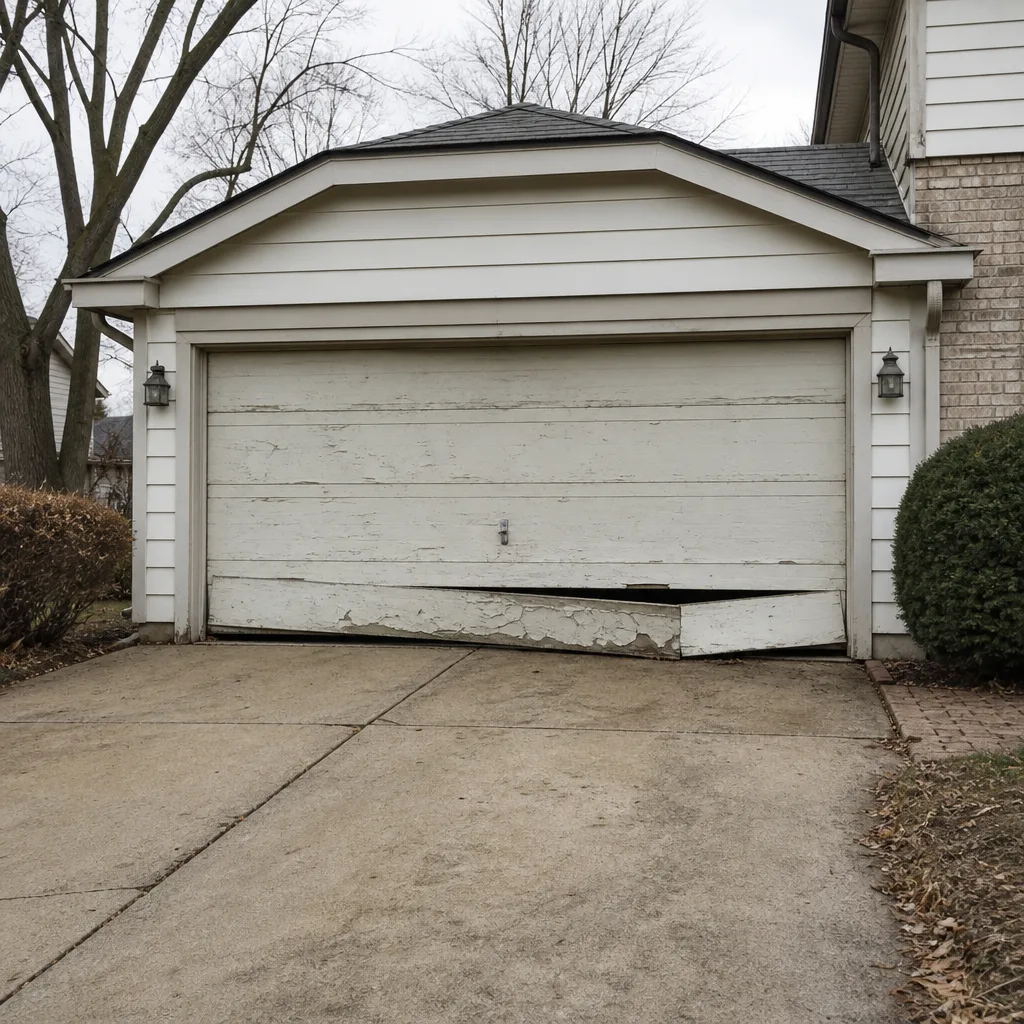 Before
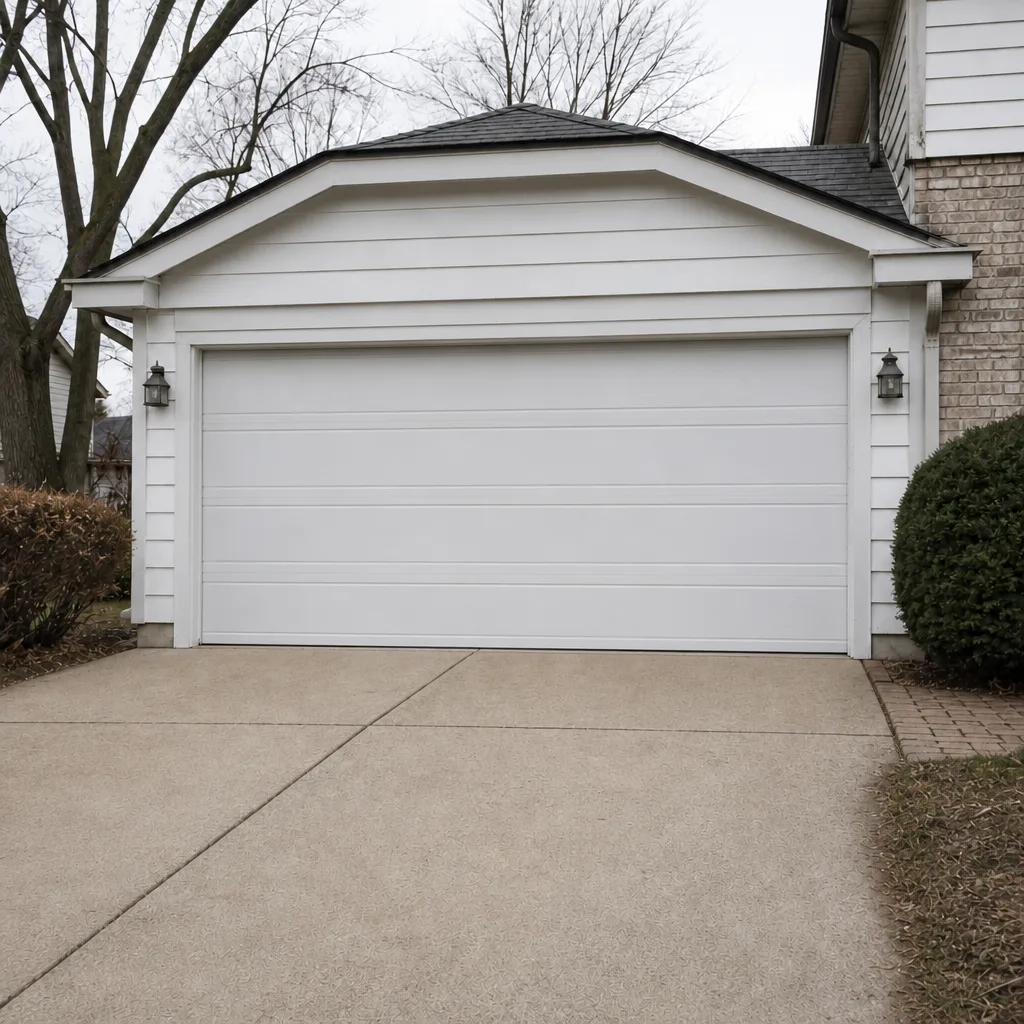 After
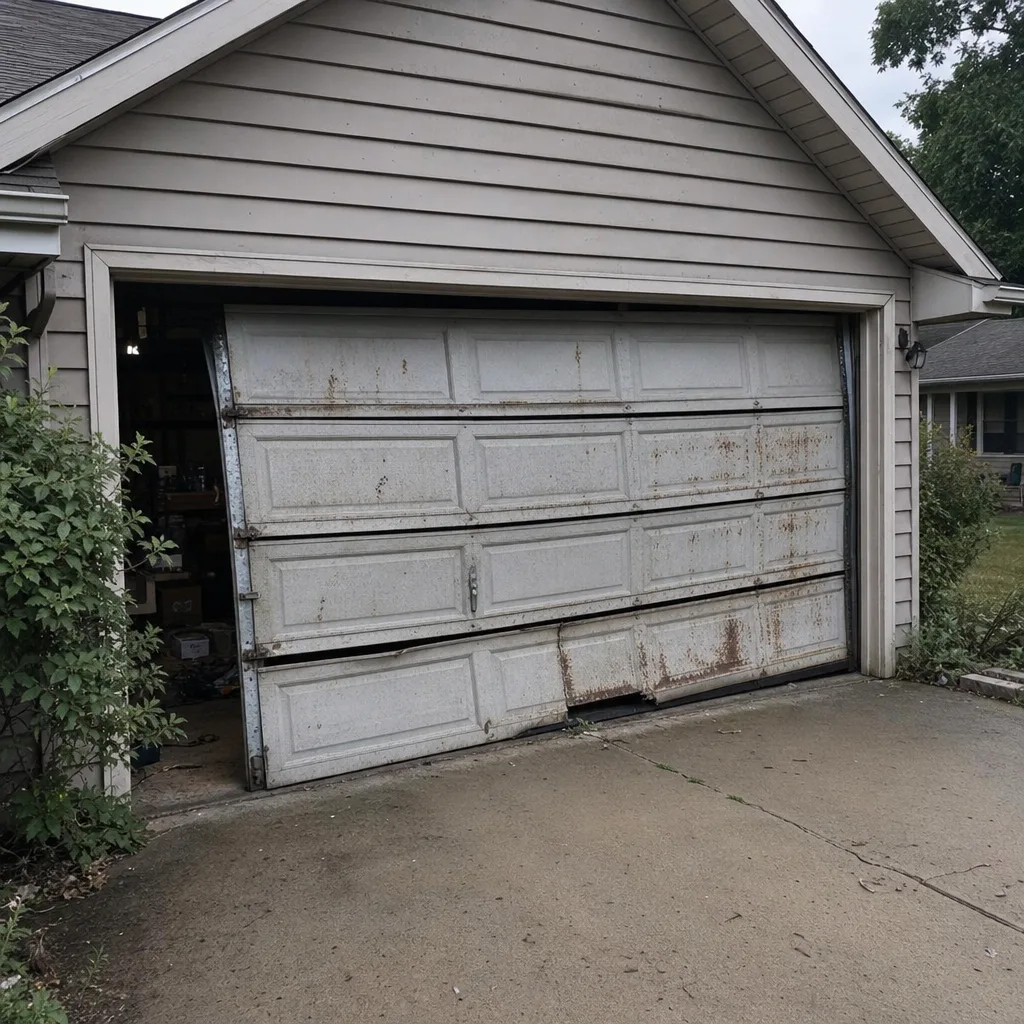 Before
 After
 Before
 After
When to Call a Professional
Bring in a specialist when the project touches anything beyond a like-for-like swap: a door of a different size, an opener that needs new wiring, damage to the tracks or the surrounding framing, or a garage-to-house door that needs to come up to current fire separation. Springs and cables are dangerous to handle without proper tools and training; a snapped torsion spring is loaded and can injure someone badly. Don’t test or replace one yourself. If an inspector has flagged something on a prior project, or a home inspector is asking questions during a sale, a specialist can scope the answer and the permit path in a single visit.
Steadfast Garage Door Repair offers free estimates in Naperville. Call (833) 467-3941 to scope the permit question and the work in one visit. We answer 24/7, and a call outside dispatch hours is booked into the next opening, Sunday through Friday, 7am to 7pm.
Frequently Asked Questions
Usually not, if it’s a like-for-like replacement with the same size door in the same opening and no new wiring. Projects that change the door size, alter framing, add or relocate an opener circuit, or touch the fire separation between the garage and the living space generally do require a building permit. Call the City of Naperville building department with your specific scope, and call (833) 467-3941 for a free estimate on the work – we’ll help you scope it correctly before the first visit.
Not for a straight swap on the existing circuit. If the project adds a new circuit, relocates one, or touches the electrical system as part of a permitted structural project, the electrical inspector will typically review it. Older homes with two-conductor opener wiring are the most common case where this comes up. Call (833) 467-3941 to talk through your specific setup – the estimate is free.
Physical, on-site items: structural confirmation of the opening, door and hardware installation, the safety reverse on the photoelectric sensors, the manual release, the fire separation between the garage and the house, and any electrical work in scope. The contractor self-certifies items like torque and spring tension, but the safety reverse and fire separation are tested in person. If you’re scheduling an inspection and want the door ready, call (833) 467-3941 for a pre-inspection check.
A buyer’s inspector will usually flag unpermitted structural or electrical work, and the seller typically has to produce a permit, pay for a retroactive permit and inspection, or concede money at closing. The permit record is searchable through the City of Naperville portal, so the absence of one is easy to find. If you’re in this situation, call (833) 467-3941 – we can scope what needs to be brought up to standard and what the permit path looks like.
Ask for the permit number, issue date, and contractor name in writing, then search the City of Naperville’s online permit portal by address. Confirm the permit scope matches the actual work and that a final inspection is scheduled. If the contractor says no permit is required, check with the building department directly. We’re happy to walk you through the portal – call (833) 467-3941 for a free estimate and a clear scope.
Illinois adopts the International Residential Code for one- and two-family homes, and Naperville enforces it locally. Under the IRC, the door between an attached garage and the living space must be solid wood at least 1-3/8 inches thick, solid or honeycomb-core steel at least 1-3/8 inches thick, or a 20-minute fire-rated door, and the garage side of that wall must meet a minimum fire rating. If the project touches that wall, expect the inspector to check it. Call (833) 467-3941 to scope the work – the estimate is free.
It depends on the scope and the department’s current workload. Simple electrical permits are often issued quickly, while structural permits may need a plan review. The work itself schedules around the permit, not the other way around. If you’re planning a project and want to know what the permit path looks like, call (833) 467-3941 for a free estimate – we’ll walk through what the city will want to see.
The Bottom Line
Most garage door replacements in Naperville don’t need a permit. The ones that do need one fall into clear categories: size changes, structural work, opener circuits that need new wiring, or anything that touches the fire separation between the garage and the living space. When in doubt, call the City of Naperville building department. Verify the permit through the city’s online portal rather than taking a contractor’s word for it. Think of the permit as insurance against a problem at resale, and remember that a simple panel swap isn’t a project that needs it. The tricky part is knowing where the line sits, and that’s a conversation worth having before the work starts.
Need help scoping a garage door project in Naperville? Call Steadfast Garage Door Repair at (833) 467-3941 for a free estimate. We answer 24/7. Fast dispatch from 7am to 7pm, Sunday through Friday.
Written by the team at Steadfast Garage Door Repair.